

 1 hour ago
5
1 hour ago
5
ARTICLE AD BOX
Last Updated:March 28, 2026, 20:46 IST
Saudi Arabia maximizes East West pipeline to 7 million barrels per day, rerouting exports via Yanbu to bypass the disrupted Strait of Hormuz and stabilize global oil flows.


Representational image. (Reuters)
Saudi Arabia has activated a key part of its energy contingency strategy, with its crucial East-West pipeline now pumping oil at its full capacity of 7 million barrels per day, allowing the kingdom to keep exports moving despite the effective closure of the Strait of Hormuz, as reported by Bloomberg.
The pipeline, one of the most strategically important pieces of oil infrastructure in the Gulf, runs across Saudi Arabia from its eastern oil-producing region to the Red Sea port of Yanbu, enabling the kingdom to bypass Hormuz, the main export route now disrupted by the ongoing Iran war.
The milestone marks the culmination of Saudi Arabia’s long-standing backup plan for maintaining oil flows in the event of a major disruption in Gulf shipping.
As part of this shift, fleets of oil tankers have been rerouted to Yanbu to lift crude from the Red Sea coast instead of the Gulf, helping sustain a critical supply line for global markets. Shipping data in recent days has shown a sharp rise in crude exports from Yanbu as Saudi Aramco ramps up use of the route.
Why It Matters
The development is significant because the Strait of Hormuz is one of the world’s most important oil chokepoints, through which a large share of global crude and LNG exports typically pass.
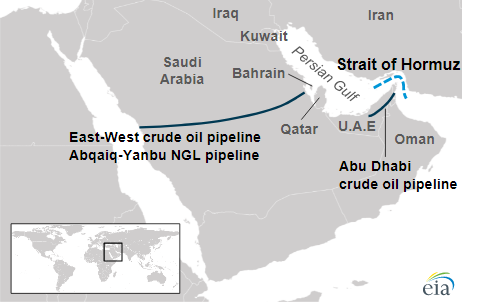
With the strait now heavily disrupted, Saudi Arabia’s ability to reroute crude internally has become a vital buffer against a larger global supply shock.
The East-West pipeline, also known as the Petroline, was originally designed for precisely such a scenario to allow Saudi crude to avoid Gulf bottlenecks and continue reaching world markets through the Red Sea.
Not a Perfect Solution
Even so, analysts note that while the pipeline can move up to 7 million barrels a day, not all of that can necessarily be exported immediately. Some volumes are used to supply local refineries and petrochemical facilities, while export capacity at Yanbu itself may still be a limiting factor.
Still, the full activation of the line offers Saudi Arabia and global oil markets a crucial lifeline at a time when maritime risks in the Gulf remain exceptionally high.
As tensions continue to mount in West Asia, the pipeline has now moved from being a contingency asset to one of the world’s most important active energy arteries.
Location :
Riyadh, Saudi Arabia
First Published:
March 28, 2026, 20:45 IST
News world Saudi Arabia’s Pipeline To Bypass Hormuz Hits Full Capacity As Oil Flow Shifts To Red Sea
Disclaimer: Comments reflect users’ views, not News18’s. Please keep discussions respectful and constructive. Abusive, defamatory, or illegal comments will be removed. News18 may disable any comment at its discretion. By posting, you agree to our Terms of Use and Privacy Policy.
Read More








 English (US) ·