

 6 hours ago
3
6 hours ago
3
ARTICLE AD BOX
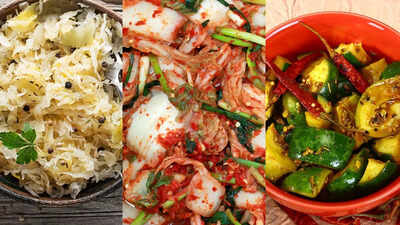
Fermentation is not new. Long before gut health became a headline, people were fermenting vegetables simply to make them last longer. Over time, these foods also became part of daily meals and family traditions.
Sauerkraut in European kitchens, kimchi on Korean tables and achaar in Indian homes all come from this need to preserve food. Today, they are often grouped as probiotic foods, but that grouping is misleading. Not every fermented food helps the gut in the same way. The presence of live bacteria, as well as how the food is prepared and eaten, all determine whether it actually supports digestion or not.Scientists studying gut health make an important distinction between fermented foods and probiotic foods. A peer-reviewed review published in Nature Reviews Gastroenterology and Hepatology explains that the benefits of probiotics depend on live microorganisms reaching the gut in sufficient numbers.
The paper also notes that cooking, pasteurisation, and certain preservation methods can destroy these microbes, even if fermentation had happened earlier.
Sauerkraut, kimchi or achaar: The gut health winner may surprise you
Sauerkraut and its impact on gut health
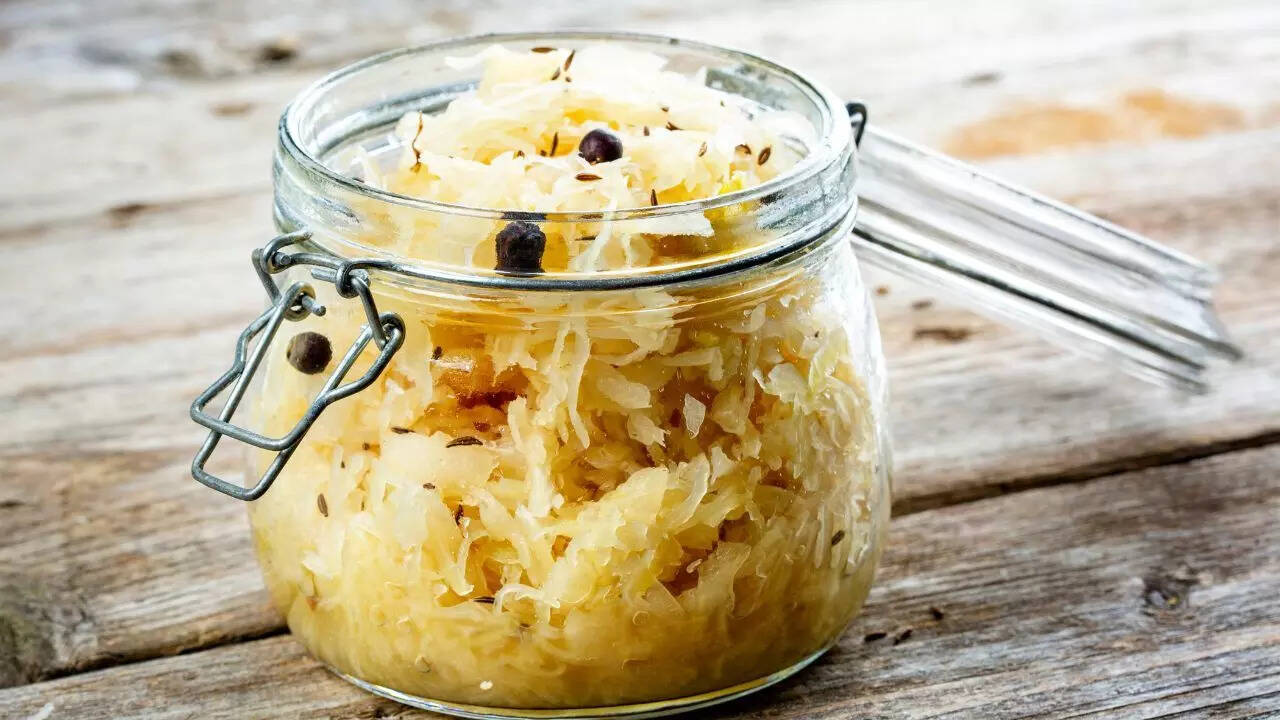
Sauerkraut is made by fermenting cabbage in salt. As the cabbage breaks down, lactic acid bacteria grow naturally and preserve the vegetable. When eaten raw, these bacteria remain alive and can support digestion. Many people find raw sauerkraut easier to digest than fresh cabbage because fermentation has already started breaking it down.
It also provides fibre, which feeds existing gut bacteria. The main issue is availability.
Most store-bought sauerkraut is pasteurised, which removes any probiotic benefit.
Kimchi and digestive support
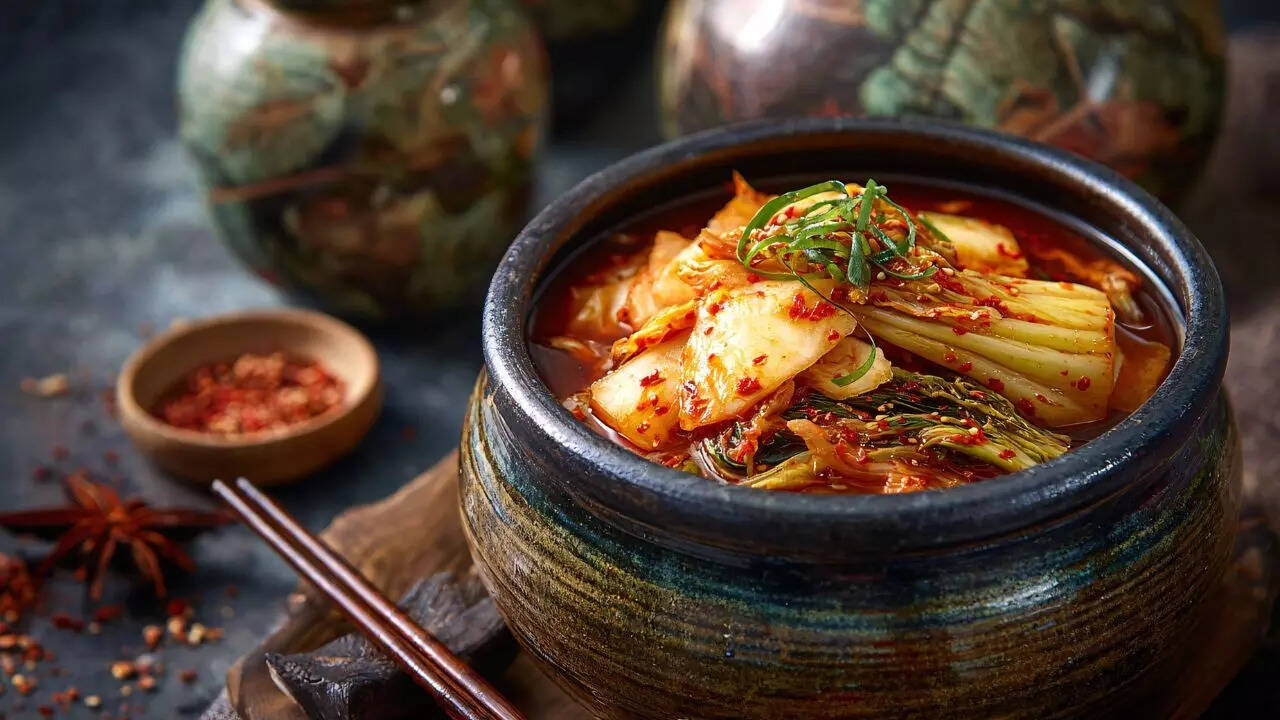
Kimchi uses a wider range of ingredients than sauerkraut. Cabbage, radish, garlic, ginger and chilli all ferment together, creating a more diverse microbial mix. This diversity is one reason kimchi is often linked with stronger gut support.
The spices add antioxidants that may help calm inflammation in the digestive system. Kimchi is usually eaten raw, which helps preserve its beneficial bacteria. However, it is often high in salt and spice, which may not suit sensitive stomachs.
Desi achaar and digestion
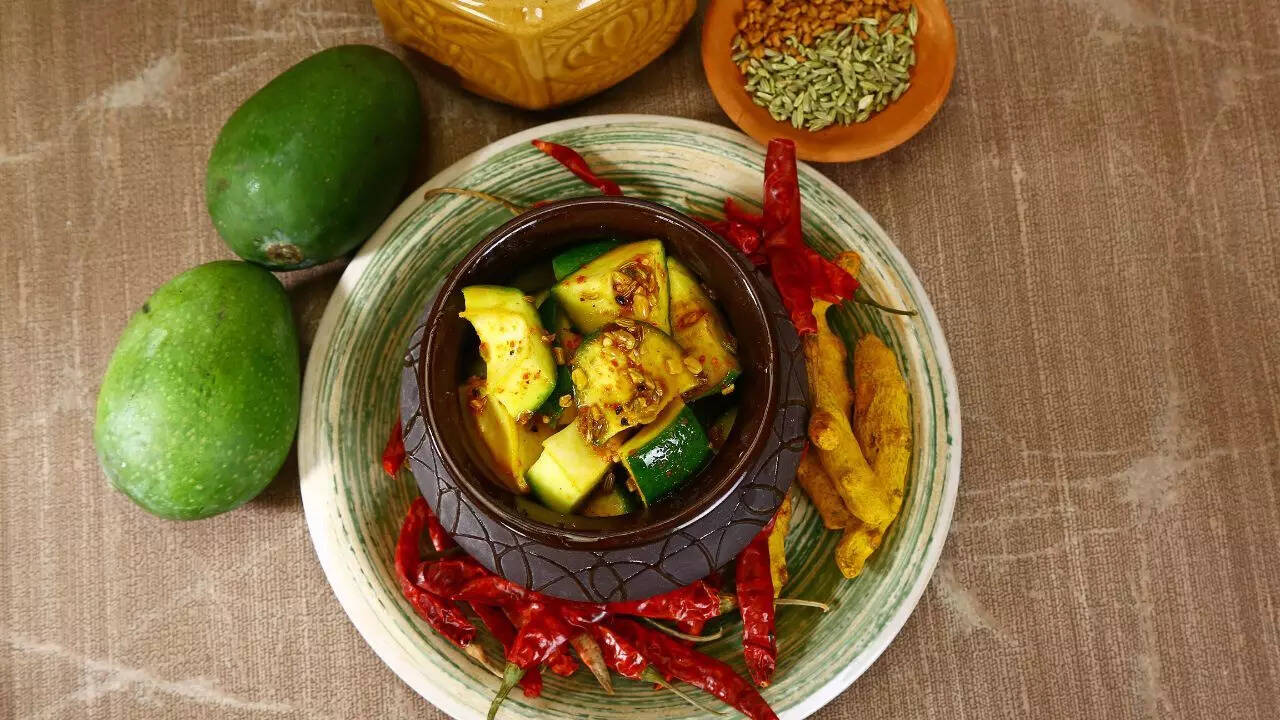
Desi achaar works differently. Many Indian pickles are oil-based or sun-cured rather than fermented through lactic acid bacteria. Some are also cooked before storage. These methods do not reliably preserve live probiotics.
Achaar does, however, support digestion in other ways. Spices like mustard seeds, fenugreek and turmeric stimulate digestive enzymes and bile production. This can help with appetite and digestion, but it is not the same as feeding gut bacteria.
Which fermented food truly has probiotics
When live probiotics are the focus, kimchi usually comes first because of its microbial variety and raw consumption. Raw, unpasteurised sauerkraut follows closely and can offer similar benefits.
Desi achaar generally does not provide probiotics unless it is a rare, naturally fermented version without oil or heat.
Which one supports gut health best
For long-term gut health, kimchi and raw sauerkraut are more effective choices. Kimchi suits those who enjoy bold flavours and tolerate spice, while sauerkraut is milder and easier to eat regularly. Desi achaar plays a supportive role in digestion but should not be relied on for probiotic intake.All three foods belong to different food traditions and serve different purposes. Kimchi and sauerkraut nourish gut bacteria when eaten raw, while desi achaar enhances digestion through spices and flavour. Knowing this difference helps you choose what actually benefits your gut, rather than assuming all fermented foods work the same way.Disclaimer: This content is intended purely for informational use and is not a substitute for professional medical, nutritional or scientific advice. Always seek support from certified professionals for personalised recommendations.Also read| Are you eating black pepper the wrong way? Crushed pepper vs raw peppercorns









 English (US) ·