

 1 hour ago
5
1 hour ago
5
ARTICLE AD BOX
Last Updated:February 21, 2026, 12:44 IST
Despite the medical potential and commercial value of radium, Madam Curie and her husband, Pierre Curie, chose not to patent their discoveries.
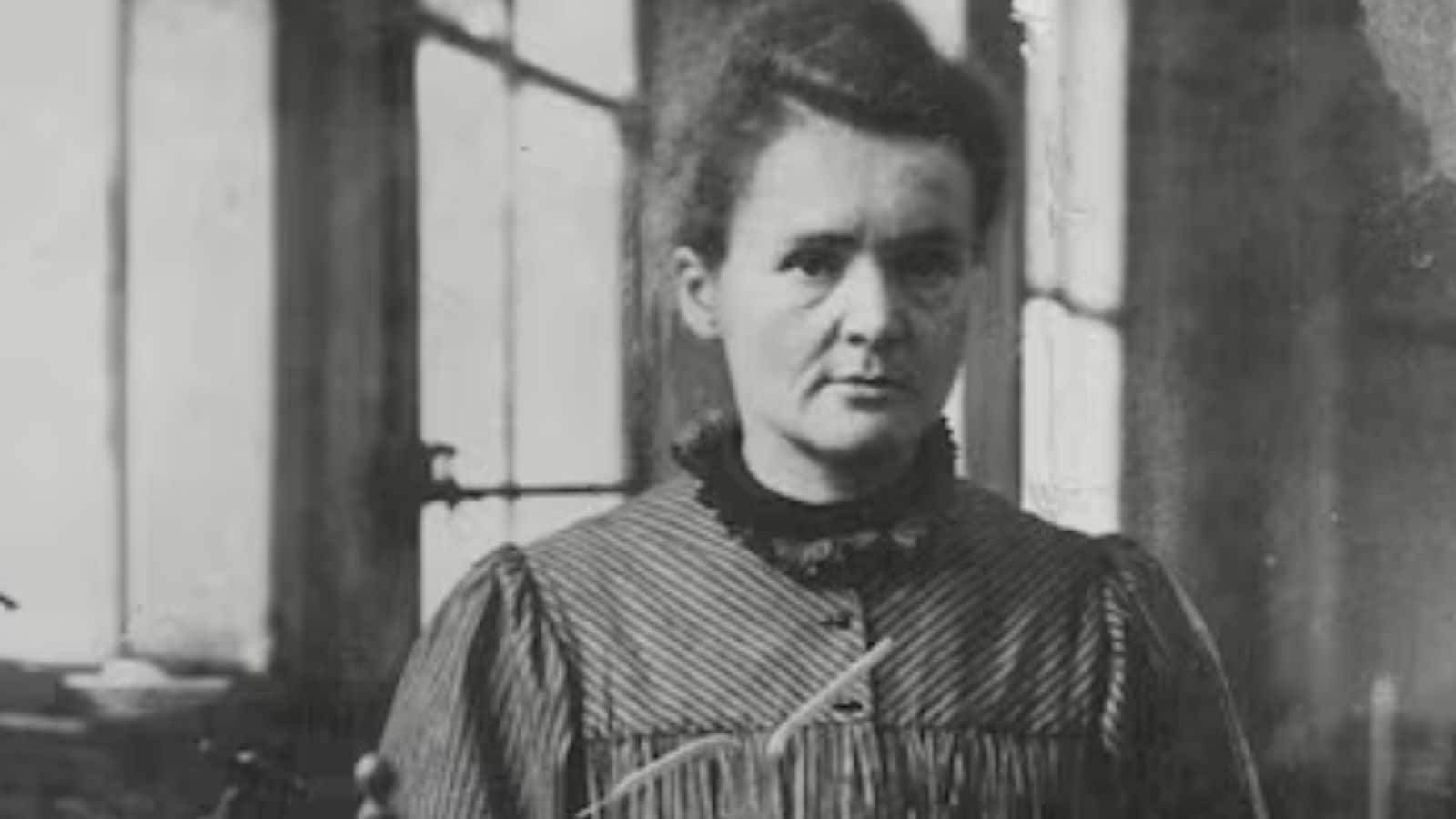
Marie Curie is one of the most celebrated figures in science, becoming the first woman to win a Nobel Prize and the only person to receive Nobel Prizes in two different scientific fields. Her pioneering research introduced the concept of radioactivity, a term she coined herself. Together with her husband, Pierre Curie, she discovered the elements polonium and radium, breakthroughs that laid the foundation for radiation-based cancer treatments and modern radiation oncology.
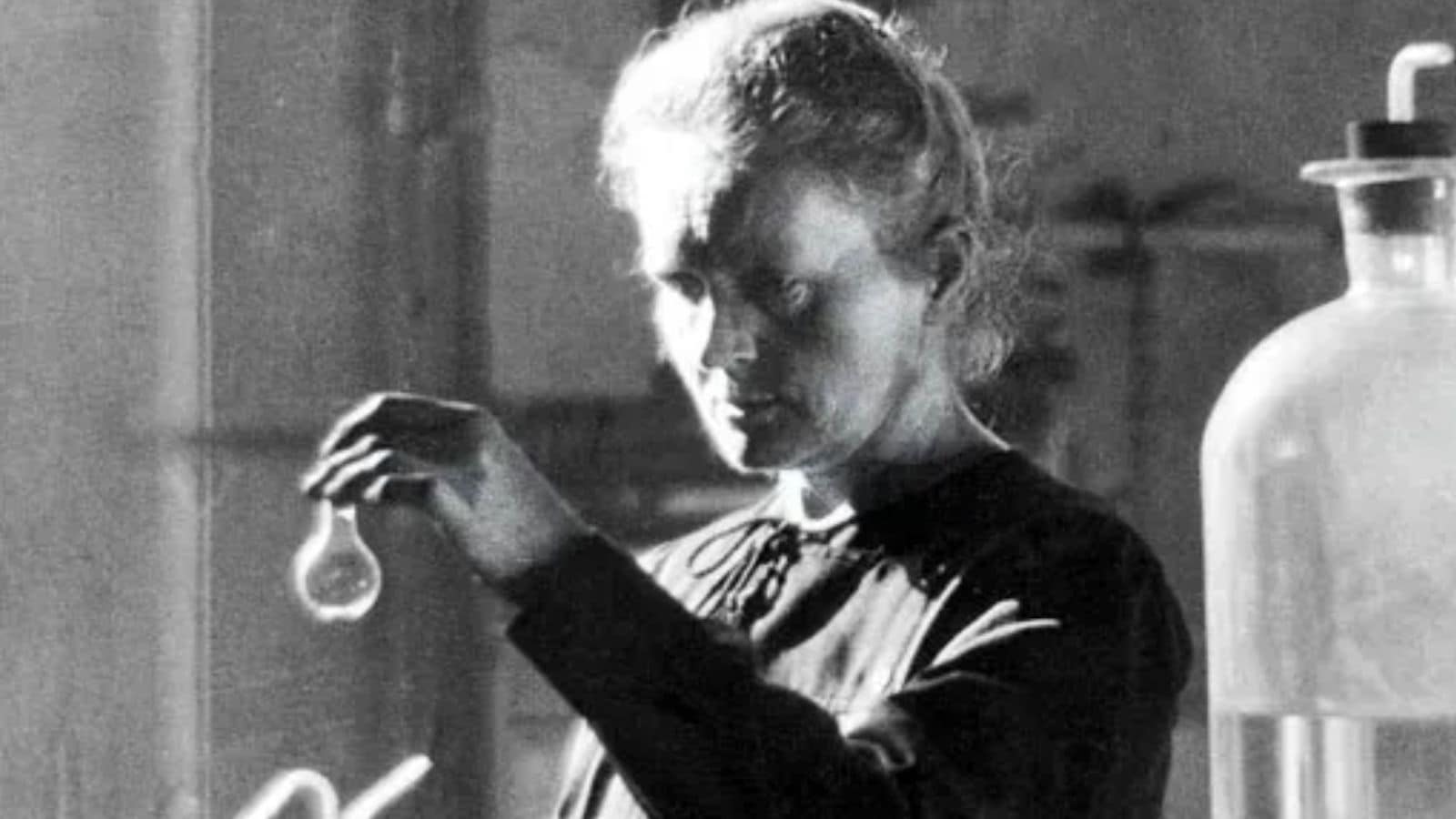
How was radioactivity discovered? A term which was coined by Marie Curie. It all began in 1896 when physicist Henri Becquerel observed a strange phenomenon when he was experimenting with uranium salts. The uranium emitted invisible rays that were capable of penetrating black paper and also affected photographic plates. This left him surprised since it occurred without sunlight or any external energy source. The radiation seemed to come directly from the uranium atoms themselves. Curie built upon this discovery and began studying similar properties in other substances.
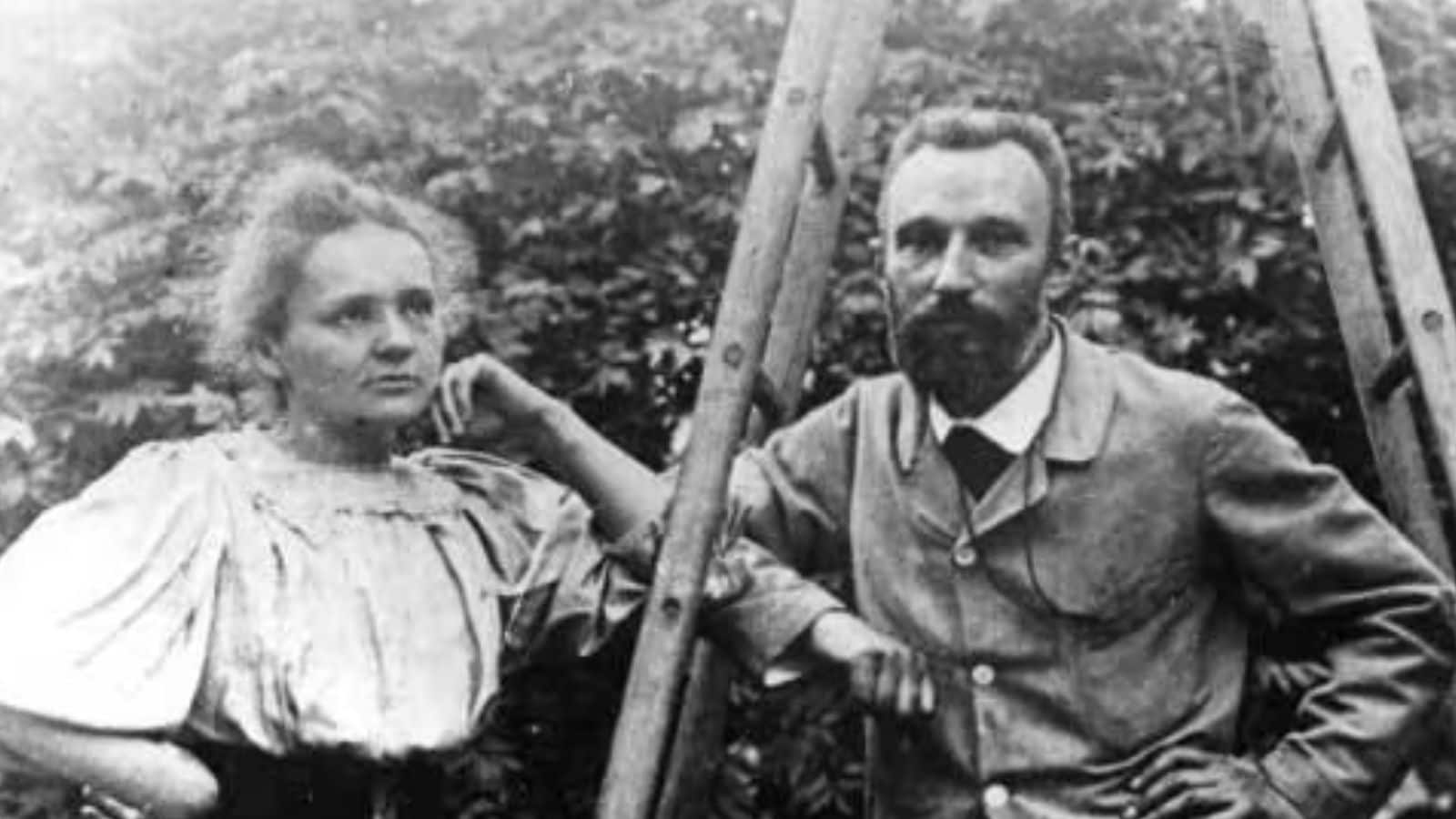
During her research, Curie introduced the term “radioactivity” to describe the emission of these invisible rays. Working with Pierre Curie, she carefully examined different minerals to understand their properties. In 1898, the couple identified two previously unknown elements: polonium, named after Curie’s homeland of Poland, and radium. Their findings established that radioactivity was not limited to uranium but was a broader atomic property. In 1903, Marie Curie received the Nobel Prize in Physics, shared with Pierre Curie and Henri Becquerel, in recognition of their work on spontaneous radiation.
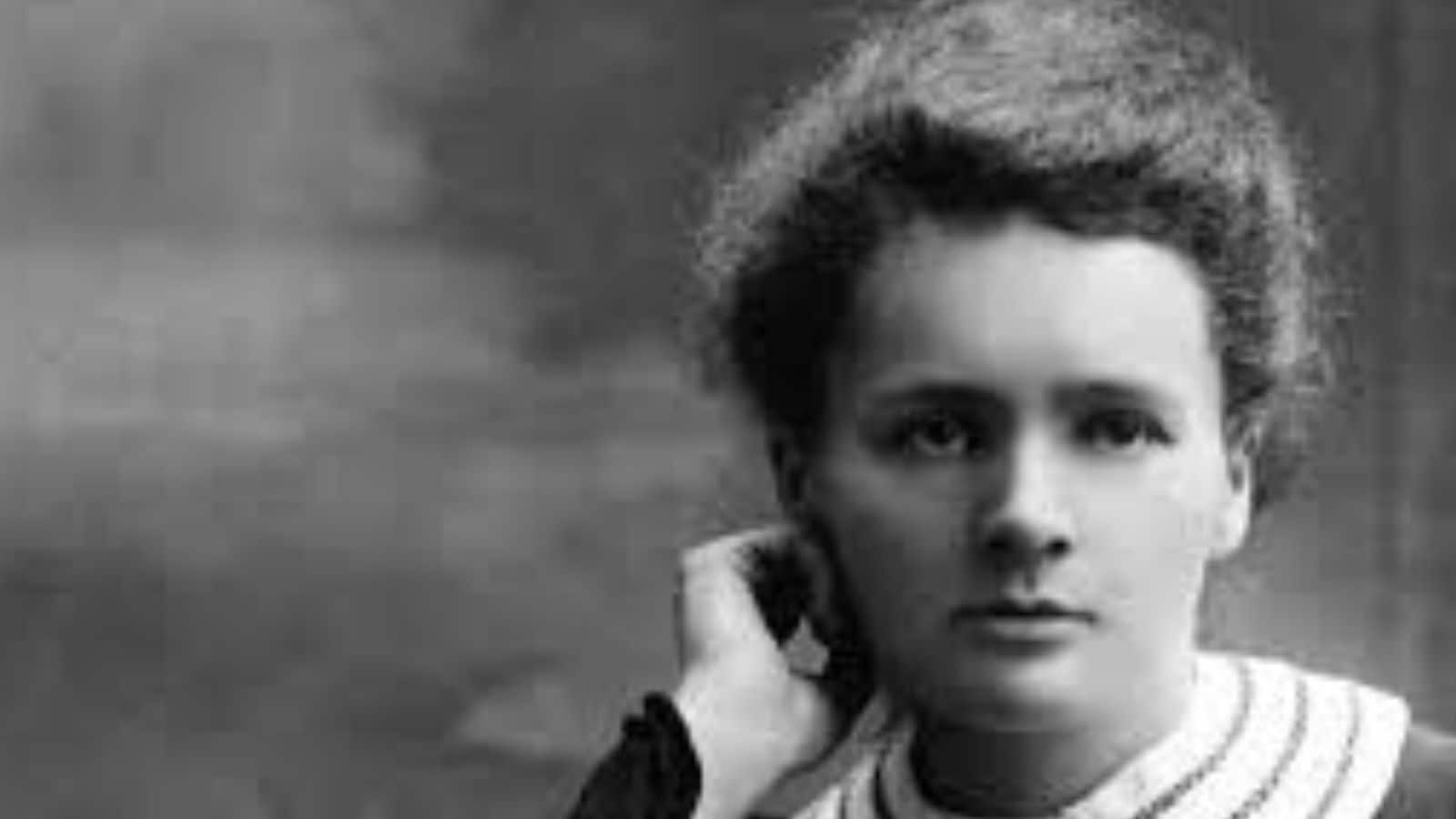
The practical impact of their research soon became evident, especially in medicine. Radium’s properties opened new possibilities in treating cancer as doctors began exploring ways to use radiation to target tumours. But despite the medical potential and commercial value of radium, the Curies chose not to patent their discoveries. They believed that placing restrictions on scientific knowledge would slow progress. Their decision meant that they did not earn substantial financial returns from their work.
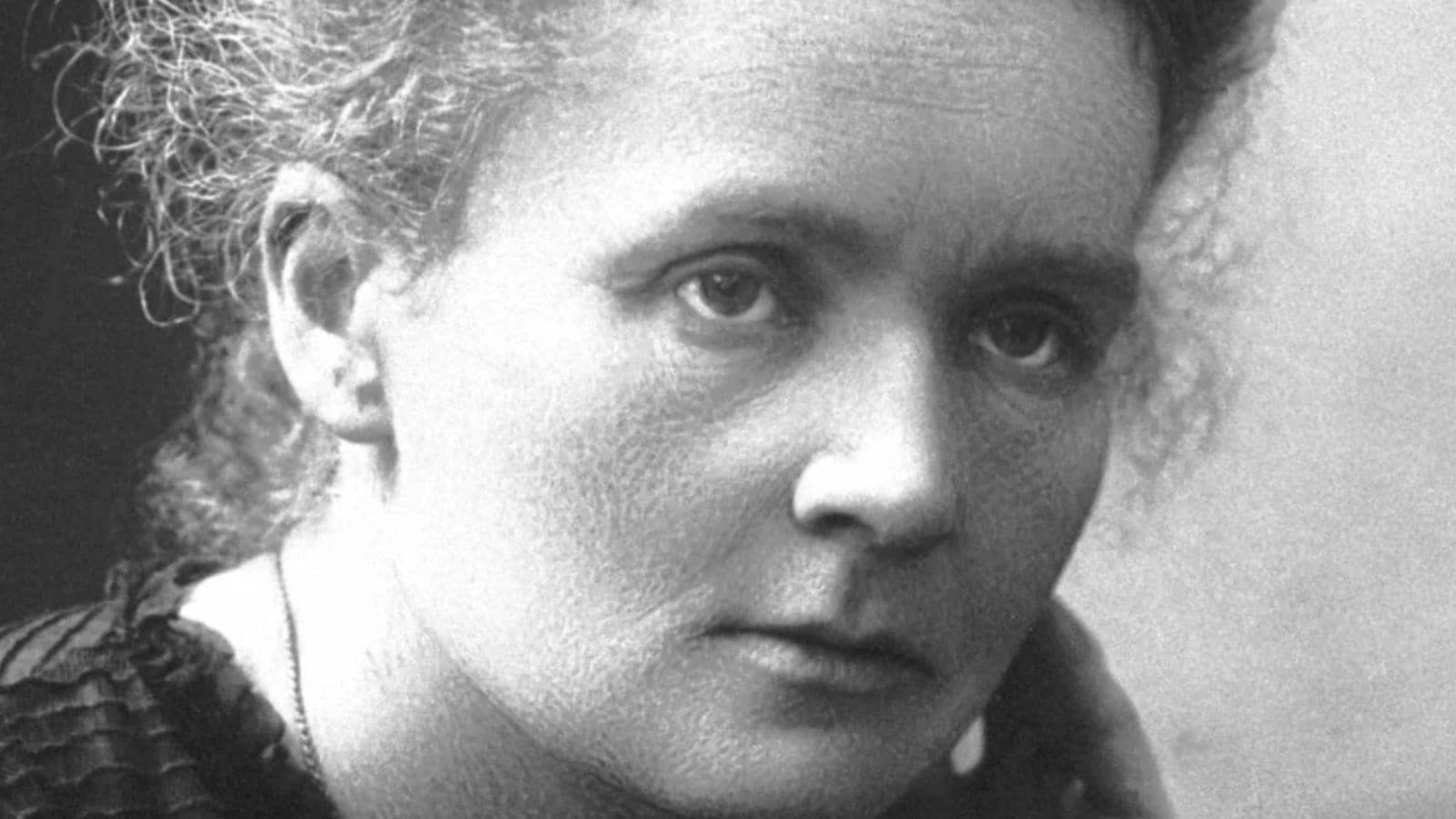
Marie Curie openly expressed her views on the matter. She believed that scientific research should not be driven by profit. Taking out a patent, in her view, would have been “contrary to the scientific spirit.” She felt that knowledge should remain accessible to res
Her words on radium became widely quoted. “Radium is an element. It belongs to the people,” the chemist Marie Curie once told an interviewer. Yet in that same conversation, she revealed the personal cost of that decision. “I need a gram of radium to continue my researches but I cannot buy it. Radium is too dear for me,” she explained. The contrast between her principles and her circumstances was evident.
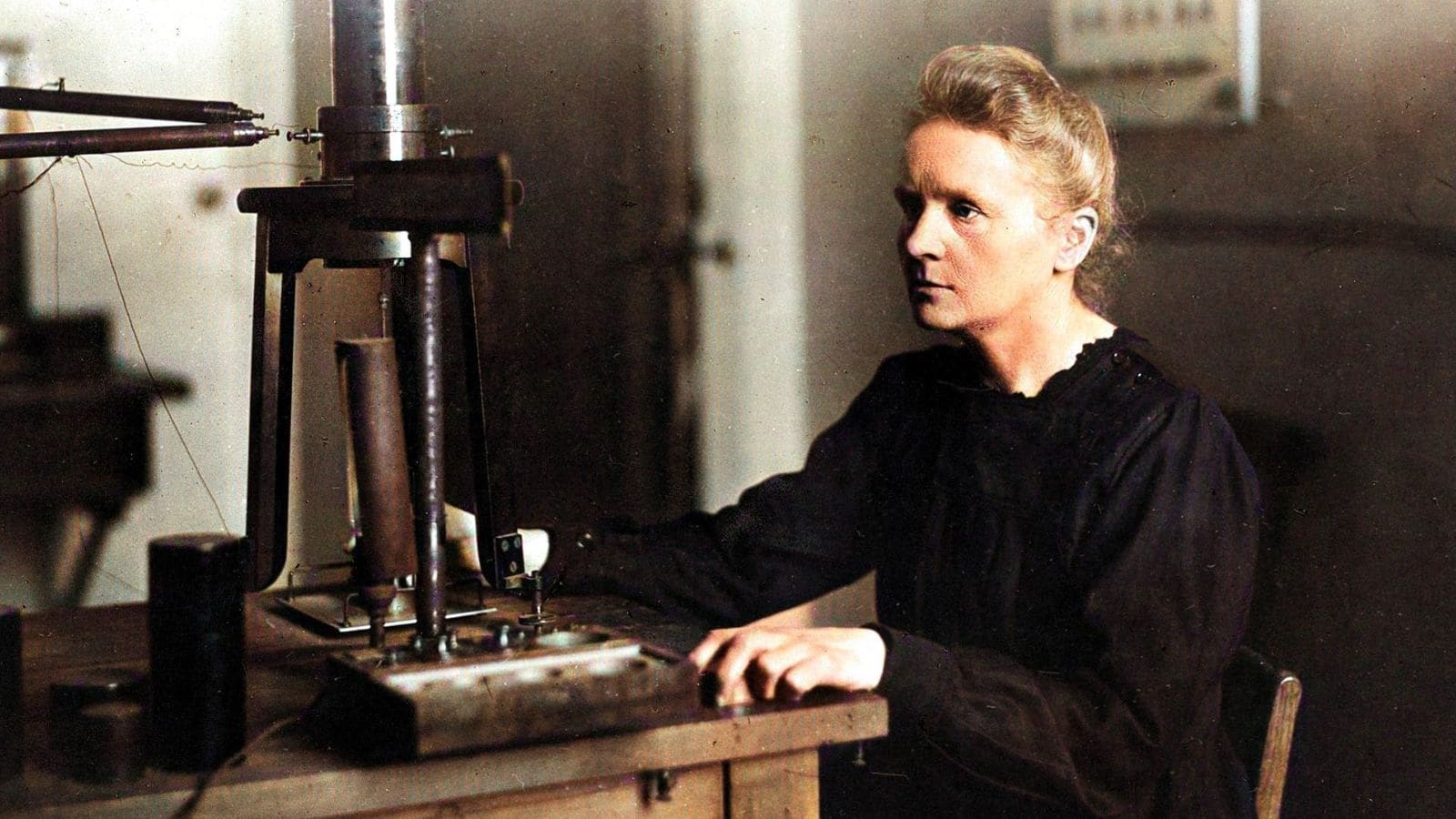
Legal barriers also played a role in the patent question. Under French law at the time, Marie Curie herself would not have been permitted to apply for a patent. Only her husband could have done so. Even so, the couple did not pursue exclusive rights over their process. Instead, they published their methods in detail that allowed others to replicate and expand upon their work.
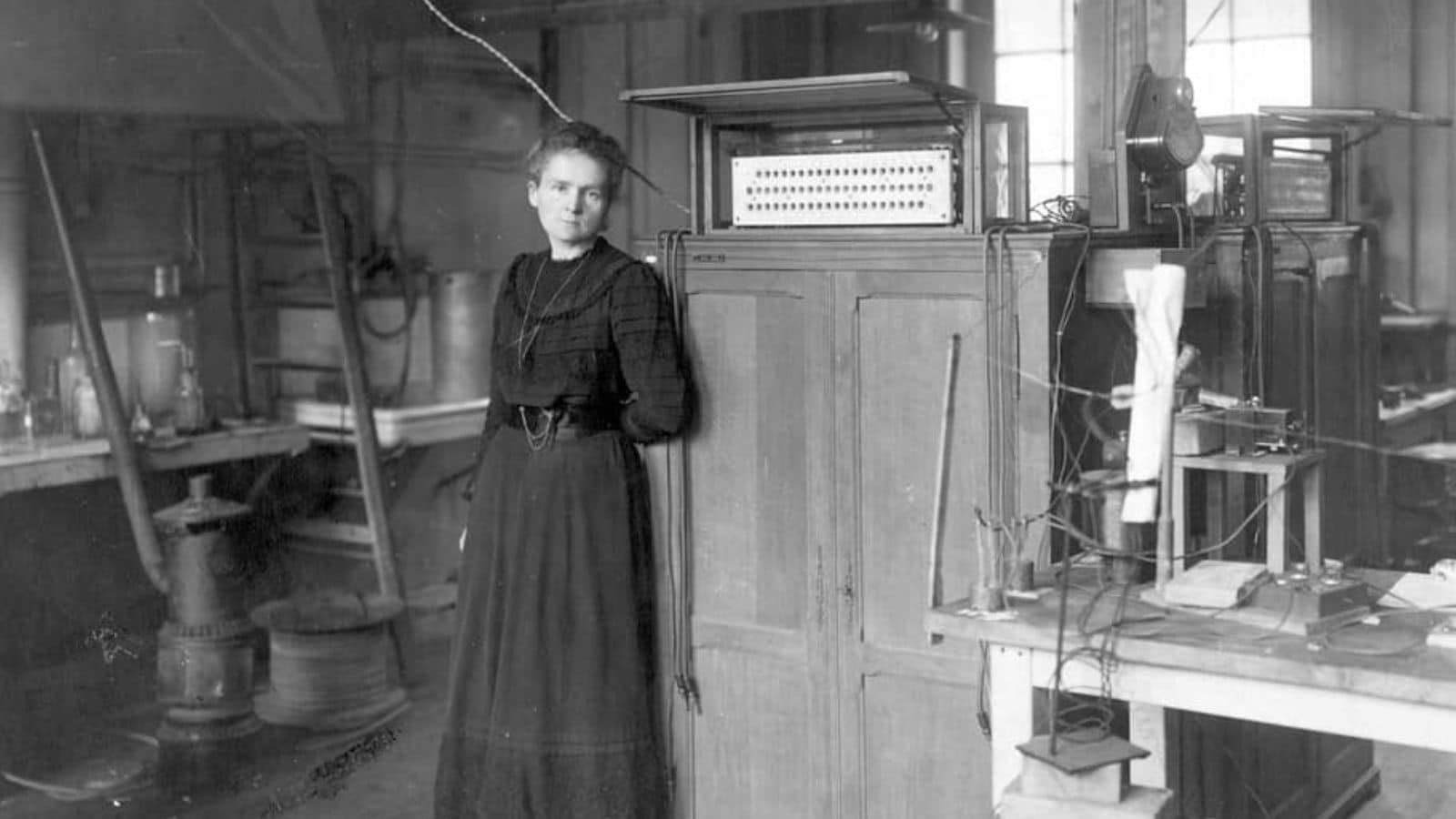
By openly sharing the extraction process, they enabled wider production of radium. This transparency laid the groundwork for what came to be known as radium therapy, or Curietherapy. Industries and laboratories were able to produce radium in larger quantities for medical use. This directly contributed to the early development of radiation oncology as a medical discipline. Hospitals and researchers gained access to materials needed for treatment and experimentation.
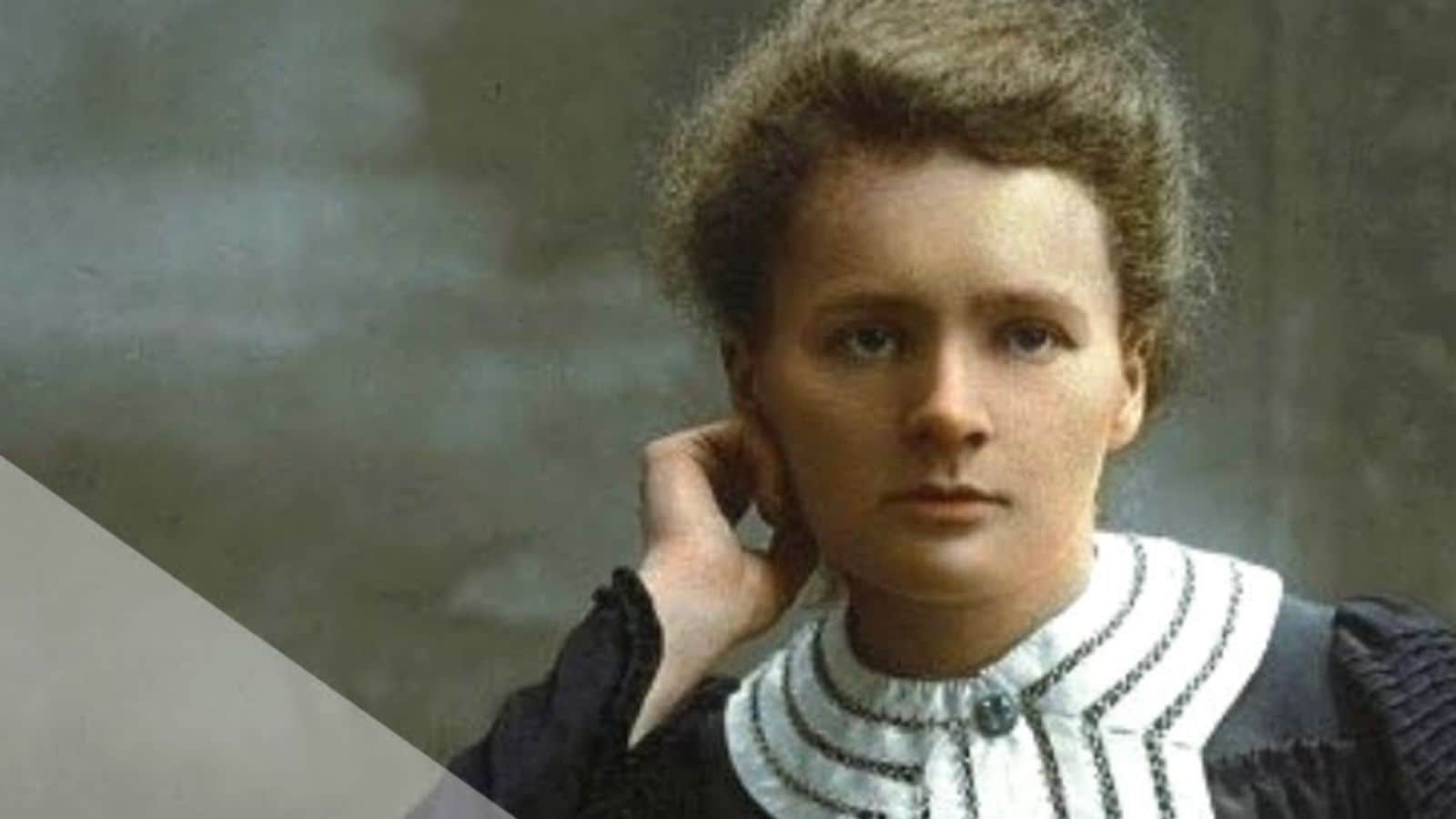
Doctors soon began applying radium in new ways. One such method was brachytherapy, in which radium was placed directly onto or inside tumours to shrink them. Researchers such as Gioacchino Failla, who trained under Marie Curie, introduced innovations including “radon seeds.” These were small gold tubes filled with radioactive gas that could be implanted into the body to treat internal cancers. The work expanded the medical applications of radioactive substances.
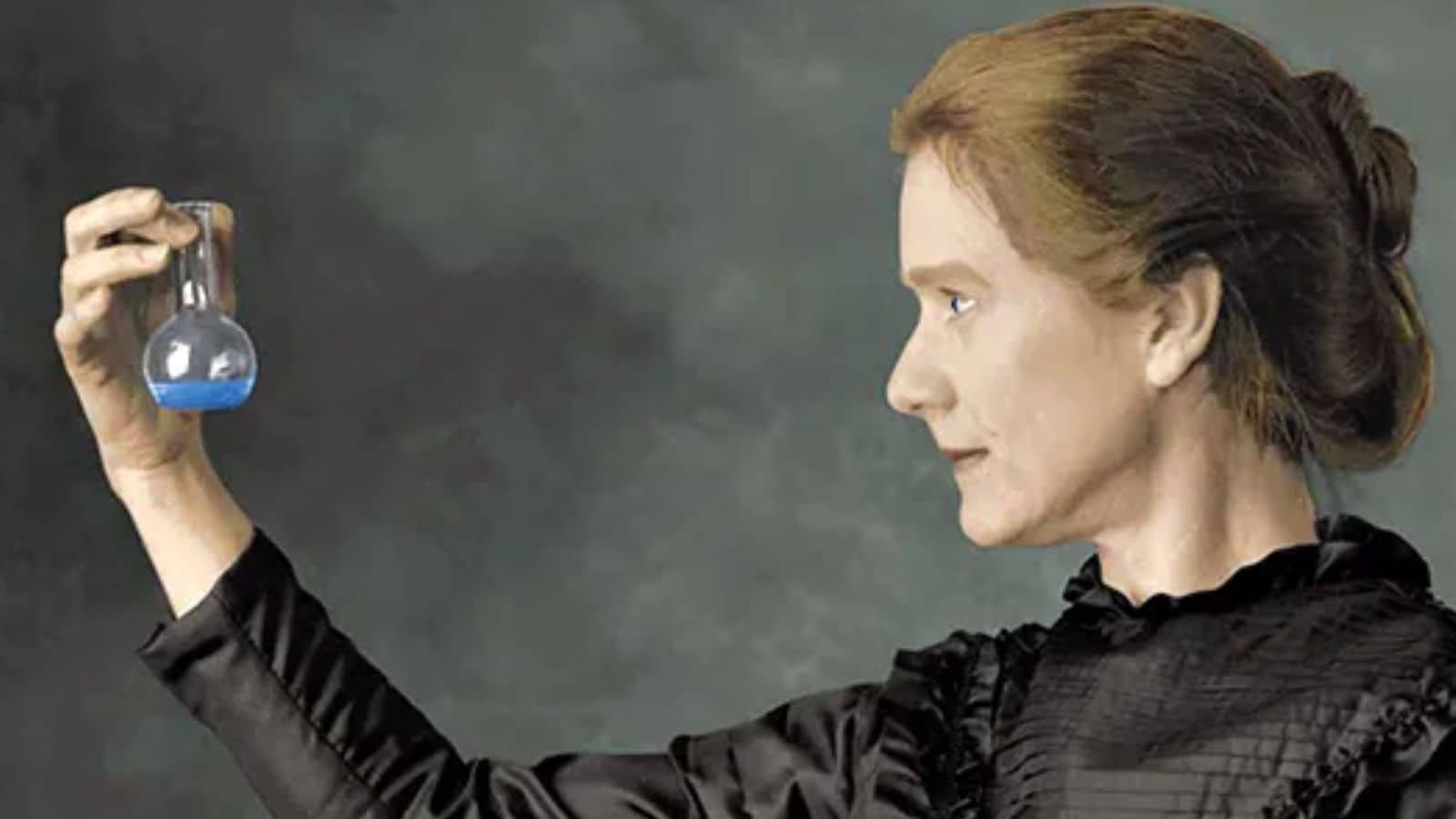
In her later years, Marie Curie dedicated herself to establishing institutions for research and treatment. She was closely associated with the Curie Institute in Paris, which developed into a major centre for cancer research. Although radium is rarely used today because of its long half-life and safety risks, it paved the way for safer radioisotopes such as Cobalt-60 and Caesium-137. These modern materials are widely used in contemporary radiotherapy. The early research into radium formed a key step in the evolution of cancer treatment technologies.
News Photogallery viral She Discovered Radium But Did THIS — Now Cancer Patients Owe Her Everything!






 English (US) ·