

 1 day ago
5
1 day ago
5
ARTICLE AD BOX
3 min readFeb 20, 2026 09:33 AM IST
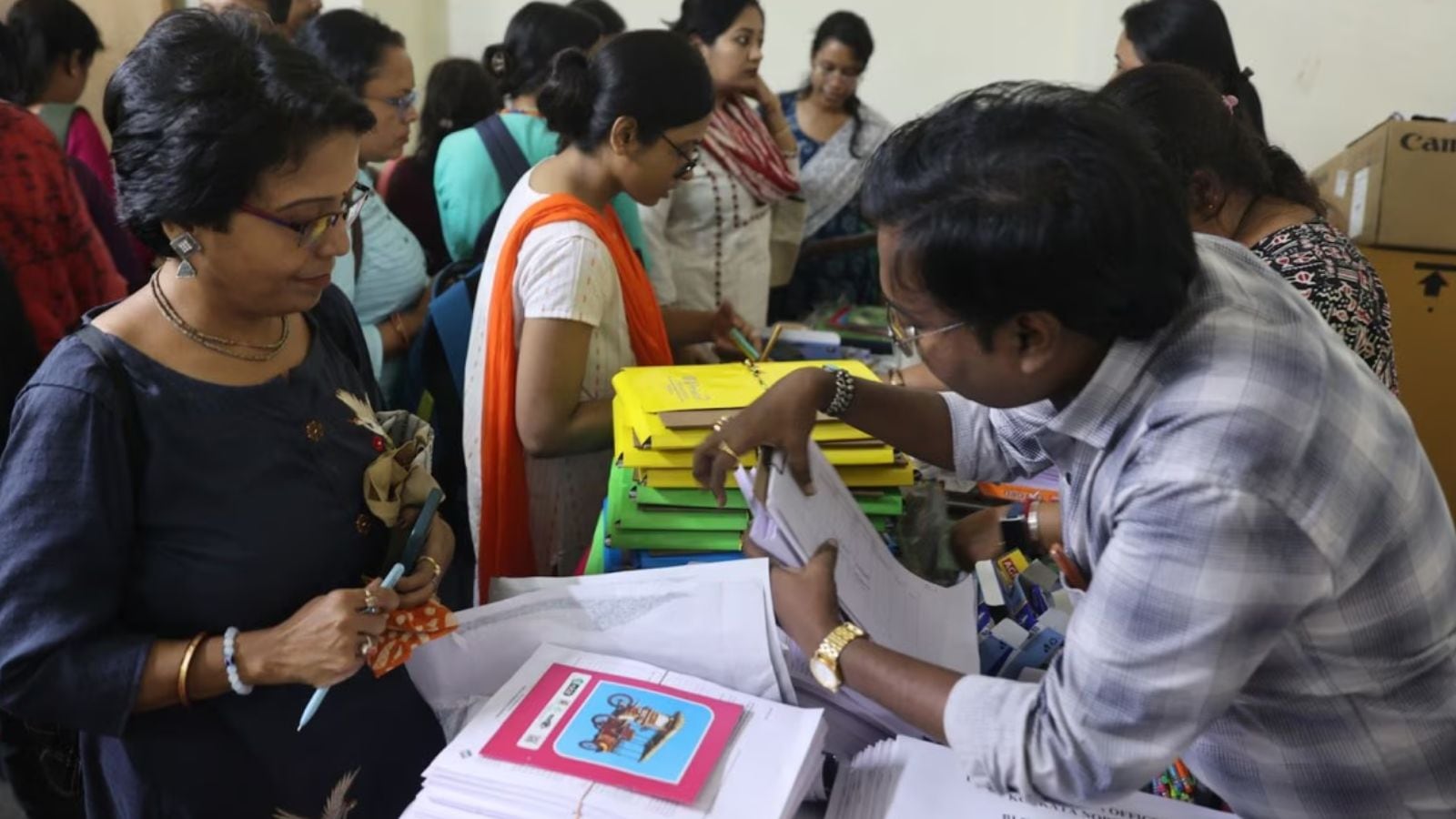 The Election Commission will roll out the Special Intensive Revision of electoral rolls in 22 states and UTs from April 2026. (File Photo)
The Election Commission of India is set to start the Special Intensive Revision (SIR) of electoral rolls in the remaining 22 states and Union Territories of the country in April.
Writing to the Chief Electoral Officers of 22 states/UTs on Thursday, the EC said, “Since the Special Intensive Revision in the above states/UTs is expected to start from April 2026, you are requested to complete preparatory work related to SIR at the earliest.”
The states and UTs where SIR is now set to begin are Andhra Pradesh, Arunachal Pradesh, Chandigarh, Dadra and Nagar Haveli & Daman and Diu, Haryana, Himachal Pradesh, Jammu and Kashmir, Jharkhand, Karnataka, Ladakh, Maharashtra, Manipur, Meghalaya, Mizoram, Nagaland, Delhi, Odisha, Punjab, Sikkim, Tripura, Telangana, and Uttarakhand.
On June 24 last year, EC ordered the SIR of the country’s electoral rolls, which entails the preparation of the electoral rolls afresh. The poll body began the exercise with Bihar, as the state’s Assembly elections were due in 2025.
In its letter on Thursday, EC said it directed all CEOs, except Bihar, on July 5, 2025, to initiate pre-revision activities for the SIR of electoral rolls.
After that, EC started SIR in 12 states and UTs on October 27 last year. In Assam, EC decided not to conduct an SIR, as the National Register of Citizens (NRC) has not yet been finalised in the state.
As per the SIR instructions, all existing registered electors are required to submit enumeration forms, and some categories of electors have to submit additional documents to establish eligibility, including citizenship.
Story continues below this ad
EC has not conducted an intensive revision of rolls since the early 2000s, when rolls were prepared afresh. Instead, it has been updating the electoral rolls with additions and deletions every year and before each election.
EC’s SIR order was challenged in the Supreme Court last year, with petitioners questioning the poll body’s power to conduct a citizenship check and arguing that the SIR process violates the Representation of the People Act, 1950, and differs from the process followed in previous intensive revisions.
The apex court has reserved judgment in the matter.



 English (US) ·