

 2 days ago
7
2 days ago
7
ARTICLE AD BOX
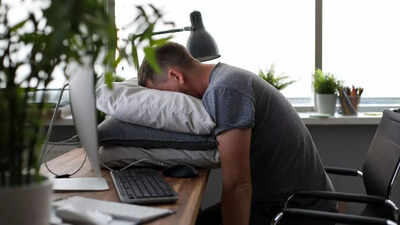
As we navigate the modern workplace, the hidden dangers of desk jobs are emerging, revealing a 'desk circulation dilemma.' The habit of sitting for long hours can restrict blood flow in our legs, resulting in feelings of heaviness and inflammation, all while compromising spinal health.
Work today happens in front of screens. Eight or nine hours pass while answering emails, attending virtual meetings, and finishing deadlines. The body stays still for long stretches, and most people notice only the familiar complaints: a stiff neck or an aching back.Doctors now say the story goes deeper than posture alone. Long hours of sitting can quietly influence circulation, metabolism, and the body’s overall stress response. This pattern is increasingly described as the “desk circulation problem.”It does not appear suddenly. Instead, it builds slowly through daily routines that seem harmless: skipping movement breaks, sitting through lunch, or staying glued to the chair until the workday ends.
What doctors mean by the ‘desk circulation problem’
The phrase does not refer to a single disease. Instead, it describes a pattern doctors are noticing among people who spend long hours seated.Dr Kundan Kumar Jha, Consultant–Sports injuries and Joint Replacement Surgeon at Arete Hospitals, explains the process clearly, “Many people associate long hours at a desk with back or neck pain, but the effects of prolonged sitting extend beyond the spine. When the body remains in one position for several hours, circulation in the lower limbs can slow down. Muscles are less active, the calf pump that normally helps move blood back toward the heart becomes less effective, and people may begin to experience symptoms such as leg heaviness, swelling around the ankles, or occasional numbness.
Over time, doctors sometimes refer to this as a ‘desk circulation problem,’ where long hours of sitting affect both posture and normal blood flow.”The calf muscles normally act like a pump. Every step squeezes veins in the legs and helps push blood back toward the heart. When movement stops, that pump slows down.Blood flow does not stop completely, but it becomes less efficient. Over time, the body begins to signal that something is not working as smoothly as it should.

Long hours of sitting with a sedentary lifestyle can do more harm than just back pain.
Why sitting changes the way blood moves in the body
The human body evolved for frequent movement. Even light activity such as walking or standing activates muscles that support circulation.When sitting becomes continuous, three things often happen.First, muscle activity drops sharply. The large muscles of the legs remain mostly inactive, so their role in pushing blood upward weakens.Second, veins in the legs experience more pressure because gravity keeps blood pooled in the lower limbs.Third, metabolic activity slows. Energy use decreases and the body becomes less efficient at handling glucose and fats.A major review by the US Centers for Disease Control and Prevention (CDC) notes that long periods of sedentary behaviour are linked with a higher risk of heart disease, diabetes, and early death.These studies suggest that movement itself plays a protective role in human biology.
The subtle signs many desk workers overlook
The desk circulation problem rarely begins with dramatic symptoms.
Instead, the body gives quiet signals.Some of the most common signs include:
- a heavy or tired feeling in the legs by evening
- mild swelling near the ankles
- tingling or numbness in the feet
- stiffness in the lower back
- tightness in the hips after long meetings
Many people dismiss these sensations as ordinary work fatigue. Yet they often reflect the body asking for movement.Dr Jha adds that sitting also affects spinal health, “Prolonged sitting also affects the spine itself. Remaining seated for hours places constant load on the discs of the lower back, and slouching toward a computer screen can add extra strain to the lumbar region and neck.
With time, this may result in stiffness and a dull ache in the back that becomes more noticeable as the day goes on.”This combination of slow circulation and spinal stress forms the core of the desk circulation problem.

Sitting for prolonged hours can also result in increased stress.
What it may reveal about overall body stress
Another emerging idea in medicine links sedentary work with the body’s broader stress systems.Dr Jha explains, “Another aspect doctors are paying attention to is the body’s overall physiological stress response.
Long periods of inactivity, combined with work stress and poor sleep, can influence what some researchers describe as a person’s ‘biological stress score,’ a way of understanding how multiple systems in the body are coping with daily strain. When these stresses accumulate, they may increase the long-term risk of metabolic or cardiovascular problems.
”This concept suggests that the body does not experience inactivity in isolation.
Instead, it interacts with other pressures such as poor sleep, work deadlines, and mental stress.Over time, these factors may affect heart health, metabolism, and inflammation levels.
Why the modern workplace increases the risk
Desk work has changed dramatically in the last two decades.Earlier office routines included walking to meetings, visiting colleagues’ desks, or commuting between buildings. Today many tasks happen on a single screen.Remote work has intensified this pattern. Meetings occur on video calls, messages replace hallway conversations, and long stretches of sitting become the default routine.The workplace has unintentionally created an environment where remaining still is easier than moving.
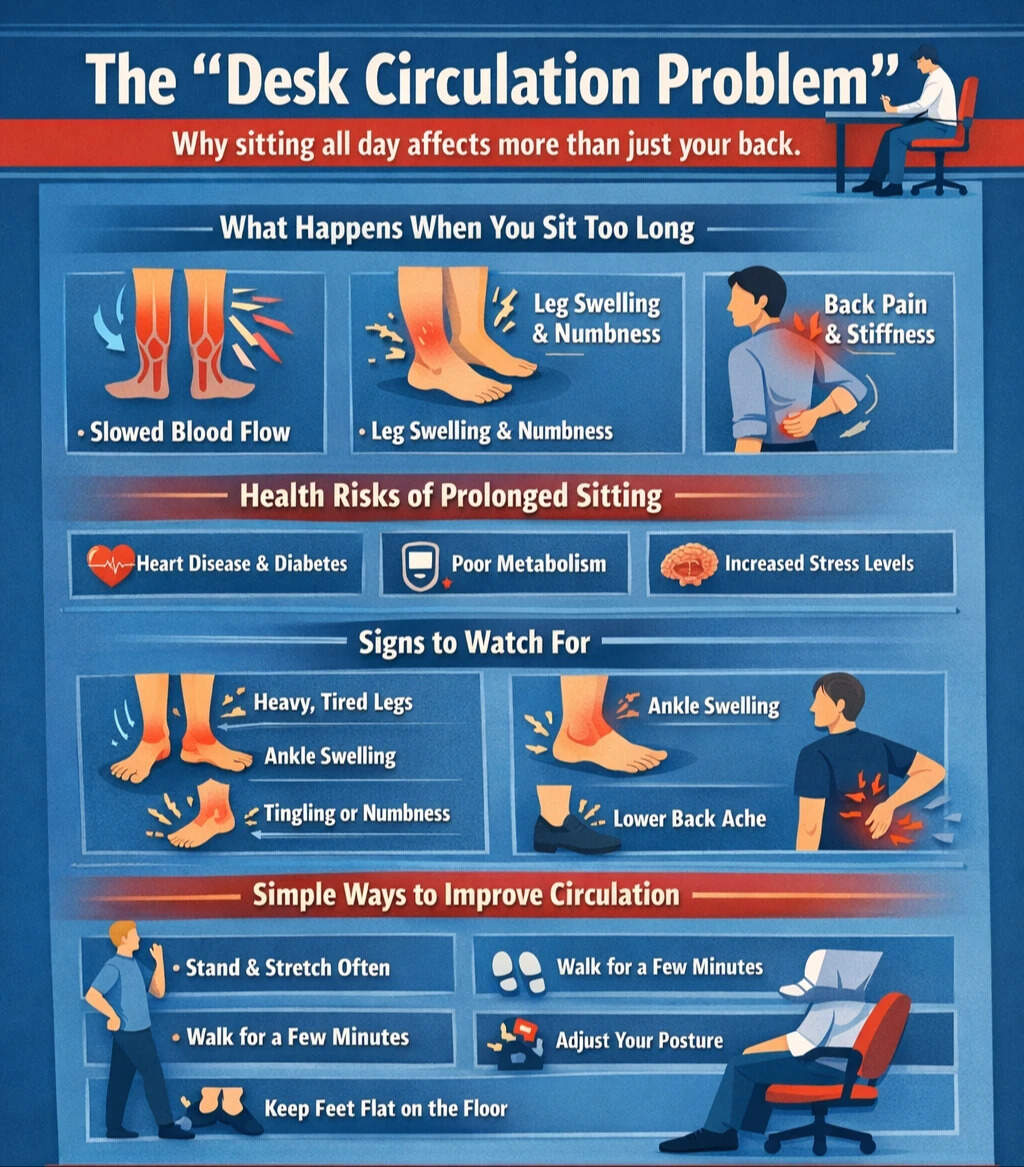
Doctors are increasingly observing what they call the “desk circulation problem.” Long hours of sitting can slow blood flow in the legs, strain the spine, and contribute to broader physiological stress in the body.
The simple changes doctors recommend
The encouraging part is that the solution is rarely complex. Small movements repeated throughout the day can restore circulation.Dr Jha points to practical steps, “The solution is usually simple but often overlooked. Standing up every 30 to 40 minutes, stretching the spine, walking briefly, and adjusting workstation ergonomics can help maintain both circulation and spinal health during the workday.”
Experts often recommend a few habits:
- stand or walk for two to three minutes every half hour
- stretch the calves and hips between tasks
- keep the screen at eye level to prevent slouching
- place feet flat on the floor rather than crossed
- take phone calls while standing when possible
These small shifts reactivate the body’s natural movement systems.
The bigger message the body is sending
The desk circulation problem is not simply about chairs or posture. It reflects a deeper mismatch between modern work patterns and human biology.The body expects regular movement. Blood circulation, muscle function, and metabolic balance all depend on it.When work removes movement from daily life, the body quietly signals the gap through stiffness, heaviness, and fatigue.Listening to those signals early may prevent larger health concerns later.Sometimes the simplest change is the most powerful one: standing up and moving.Medical experts consultedThis article includes expert inputs shared with TOI Health by:Dr Kundan Kumar Jha, Consultant–Sports injuries and Joint Replacement Surgeon at Arete Hospitals.Inputs were used to explain how prolonged sitting during desk work can quietly affect blood circulation, the health risks linked to reduced movement during the day, and why doctors recommend simple lifestyle changes to protect overall vascular health.








 English (US) ·