

 59 minutes ago
5
59 minutes ago
5
ARTICLE AD BOX
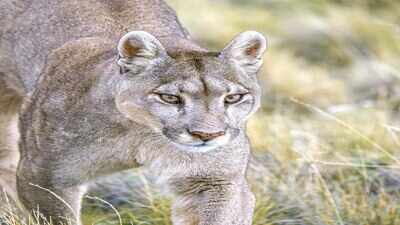
A surprising study from Jasper Ridge Biological Preserve, near San Francisco, reveals that even small nature reserves can experience significant ecological shifts. Image Credit: Wikimedia Commons
When we read about wild animals roaming through the wilderness, our minds usually drift toward vast, untamed national parks. We imagine massive expanses of territory like Yellowstone or the deep forests of the Pacific Northwest, where human footprints are rarely found.
For generations, conservation theory held that complex natural processes could unfold only in large, relatively untouched sanctuaries. Experts often dismissed smaller protected areas near major cities as good places for weekend hikes but too fragmented to support complex wildlife dynamics.But an ecological shift unfolds when a large predator decides to step into a small space. Just a short drive from major tech campuses and busy residential neighbourhoods, an unexpected study has challenged how we think about nature reserves.
Ecologists monitoring a quiet patch of land have discovered that nature is not always constrained by the size of a property line. When a big cat enters the scene, the entire biological community shifts in response.This unexpected ecological transformation is at the heart of a research paper published in the journal Ecology and Evolution. The long-term investigation explains that while large apex predators typically require extensive territories to thrive, their occasional presence can trigger profound, structural changes in surprisingly small ecosystems.
By looking at years of data, the study suggests that even short visits from these animals can significantly alter the behaviour of smaller wildlife populations.How a mountain lion visit reshaped the local forestTo understand how this dynamic works in a landscape heavily influenced by people, Stanford University researchers focused their attention on the Jasper Ridge Biological Preserve. This small, fenced preserve sits just forty-five miles south of San Francisco and covers a mere two square miles.
For decades, the local ecosystem operated without any resident large predators, allowing smaller animals to become comfortable with a relatively predictable daily routine.
However, a major shift occurred when motion-activated trail cameras began picking up a steady increase in mountain lion visits.The extensive field data published in the study in Ecology and Evolution demonstrates that as pumas began spending more time on the preserve, a distinct "ecology of fear" quickly spread through the local animal kingdom.
The black-tailed deer population, which had long roamed the area without a care in the world, suddenly changed its behaviour to avoid becoming a midnight snack. Camera traps documented a steep drop in deer activity as the herbivores shifted away from favoured feeding grounds to reduce the chance of encountering the big cats.This sudden behavioural shift among the deer quickly generated a multi-level chain reaction that reached all the way down to the local plant life. A detailed media analysis by the Stanford Report outlines how the local flora immediately benefited from the absence of hungry deer.
Young oak trees and various woody plants that are typically eaten or trampled to the ground by heavy deer grazing suddenly found the space they needed to recover. This recovery suggests that a top predator may indirectly help protect a forest canopy by making herbivores more cautious about where they eat.
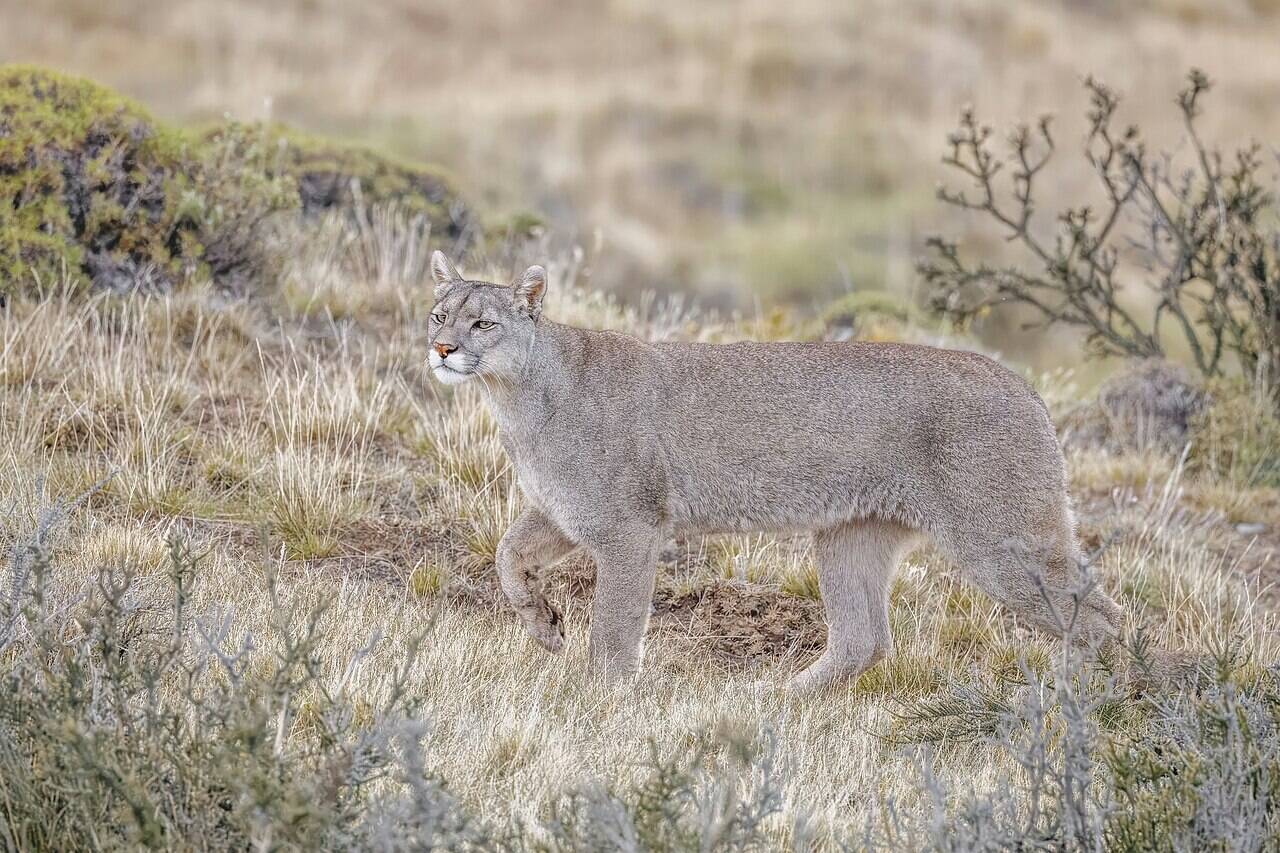
The occasional presence of a mountain lion has drastically altered the behaviour of deer, leading to the recovery of local plant life. This apex predator's visits also reshaped the hierarchy among smaller carnivores, demonstrating the profound impact of top predators on even fragmented ecosystems. Image Credit: Wikimedia Commons
A shakeup in the neighbourhood predator hierarchyThe ripple effects of the mountain lion visits did not just stop at deer and plants; they also triggered an intense restructuring among the smaller carnivores that call the preserve home.
Before the pumas arrived, mid-sized predators like coyotes and bobcats were the dominant predators in the local landscape, hunting small game with little competition. But the physical presence of an apex predator completely disrupted this established hierarchy, forcing the smaller hunters to make difficult choices about their own safety.According to the details published in the Stanford Report summary, coyote and bobcat activity levels dropped significantly during the periods of peak mountain lion presence.
These mid-sized carnivores may have shifted their schedules or left the preserve to avoid encounters with the larger pumas. As coyotes and bobcats lay low, grey foxes appeared more often on trail cameras and may have shifted the hunting pressure toward smaller rodents and rabbits.This finding suggests that small, suburban nature reserves can have ecological value, especially when connected to larger wilderness corridors like the nearby Santa Cruz Mountains. As cities continue to expand, this finding underscores the importance of protecting local green spaces. By showing that a tiny suburban sanctuary can experience similar biological cascades to those seen in larger parks, these findings suggest that nature can rebound when habitat remains connected.







 English (US) ·