

 1 hour ago
3
1 hour ago
3
ARTICLE AD BOX
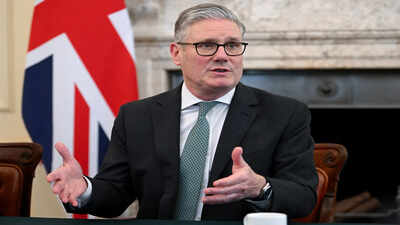
Keir Starmer is heading to the Gulf in a high-stakes diplomatic push to secure the long-term reopening of the Strait of Hormuz following a fragile ceasefire between the United States and Iran. The narrow waterway, critical for global oil and gas shipments, has been at the center of escalating tensions that threatened worldwide energy stability.Starmer has welcomed the ceasefire as a temporary relief but warned that sustained diplomacy is essential to prevent further disruption. His visit, planned before the truce, has now taken on greater urgency as discussions with Gulf leaders focus on maintaining peace and ensuring uninterrupted energy flows.
Keir Starmer is traveling to the Gulf this week in a significant diplomatic effort to secure the long-term reopening of the Strait of Hormuz. This trip follows a fragile ceasefire between the United States and Iran.
The visit comes at a critical time for global energy security. The UK is positioning itself as a key mediator to stabilize the region. The ceasefire, announced earlier this week, offers a temporary pause in rising tensions that threatened one of the world's most important maritime routes. The Strait of Hormuz is a narrow but vital passage that connects the Persian Gulf to international waters. It carries a large share of global oil and gas shipments.
Any long-term disruption could have immediate and wide-ranging effects on fuel prices, inflation, and economic stability around the world.
In a statement released before his departure, Starmer welcomed the ceasefire as “a moment of relief,” but warned against being too comfortable. He stressed the need for ongoing diplomatic efforts to turn the temporary truce into a lasting agreement. “Together with our partners, we must do all we can to support and sustain this ceasefire,” he said, highlighting the UK’s commitment to preventing more instability in global markets.
The Prime Minister’s planned visit, which was set before the ceasefire, has gained more urgency. Conversations with Gulf leaders are expected to cover not just maintaining peace but also ensuring a steady flow of energy supplies. British officials have made it clear that reopening the Strait is not only a regional matter but also crucial for the global economy.UK has already taken a proactive role in coordinating international responses.
A meeting led by the UK last week brought together representatives from over 40 countries to discuss the crisis and find ways to secure the shipping lane. This multilateral approach shows an increasing understanding that the issue goes beyond national interests and needs collective action. However, Starmer’s diplomatic efforts come amid political tension. Donald Trump has criticized the UK government for what he calls a lack of support for recent US and Israeli strikes on Iran.
While this criticism highlights differences in strategy, British officials continue to prefer diplomacy over escalation. At the same time, Yvette Cooper has been working on parallel efforts. She has held talks with US Secretary of State Marco Rubio to align strategies aimed at reopening the Strait.
These discussions show the importance of transatlantic cooperation in addressing the crisis, even with differing political views. As global markets respond cautiously to the ceasefire, the focus now shifts to whether diplomatic momentum can be kept up. For the UK, the stakes are high: ensuring energy security, stabilizing prices, and reinforcing its international role. Starmer’s visit to the Gulf could decide whether this current break leads to lasting peace or is just a short pause in an ongoing conflict.






 English (US) ·