

 5 days ago
4
5 days ago
4
ARTICLE AD BOX
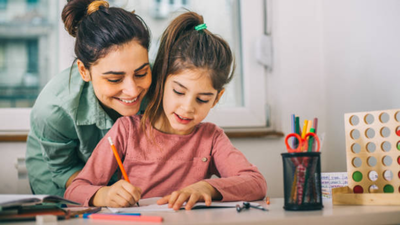
There’s a very specific kind of tired that shows up at 7:48 pm. The day’s been long. Someone’s hungry but also refusing food. Homework happened but also didn’t. And then your kid will cry over the smallest things, such as the wrong cup or a missing socket and you can feel your patience slipping down the cliff.And the strange part? That moment right there, when you want to snap the most, is the moment they’re actually watching you the closest.Kids don’t learn emotions from speeches. They learn them from what we do when things are inconvenient, loud, and messy.When a child is angry, the emotion is greater than the capacity to manage it. That is why everything is dramatic. A small problem feels huge. A “no” feels like rejection.
They don’t yet know how to shrink feelings. So they borrow your nervous system.If you get louder, they get louder. If you rush, they spin faster. But if you slow down, even a little, it gives their feelings somewhere to land.You don’t have to be calm inside. Nobody is. You just have to be the steadier one in the room.Sometimes calm is just lowering your voice instead of raising it. In some cases it is sitting next to them rather than speaking to them across the room.
It can sometimes be saying, "I am getting frustrated, give me a moment," rather than being in denial that you are okay and then losing your temper.That pause does more teaching than any lecture about behaviour.Because here’s the thing. When adults react strongly, kids stop thinking about what happened. They start thinking about how big your reaction is. Now they’re scared, or defensive, or shut down. The moment turns into a power struggle instead of a lesson.But when you stay steady, it tells them something important. “This feeling is big, but it’s not dangerous. We can sit in it without everything falling apart.”That message stays with them.Children slowly start copying what they see. They’ll start pausing before reacting. They’ll say, “I’m mad,” instead of throwing something. They won’t do it perfectly, but they try. Because they’ve seen it done.And years later, when they’re dealing with something hard, the voice in their head will sound like someone.
It might say, “Breathe. It’s okay. This will pass.” That voice usually comes from the adult who didn’t add more fire when things were already burning.Staying calm isn’t about being soft. It’s about being strong enough to hold the moment without letting it control you. It keeps the connection safe, even when behaviour isn’t.You’re not just getting through the meltdown. You’re showing them what to do with feelings when life doesn’t go their way.









 English (US) ·