

 1 hour ago
4
1 hour ago
4
ARTICLE AD BOX
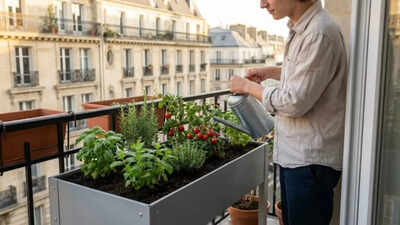
Gardening expert reveals protective barrier technique that saves water and shields plants from extreme temperatures.
Extreme weather events are becoming more frequent each year, leaving gardeners scrambling to protect their plants from scorching heatwaves and unexpected cold snaps. Water restrictions in several regions add another layer of stress, as they make it harder to maintain healthy gardens through difficult conditions but a surprisingly simple solution has been protecting plants in the garden for generations.In an interview with the Times of India, Vince Braun, Founder and President and CEO of HealthiStraw, a family-owned Canadian company specialising in premium wheat straw products, shared, “Gardeners already have access to one of nature's most effective protective tools. The secret lies in understanding proper application techniques that have kept gardens thriving for centuries.”Sustainable Soil Management Guidelines 2026 by Food and Agriculture Organization highlight that mulching is recommended globally to “conserve moisture, regulate temperature and protect soil health under changing climate conditions.”Drawing from the extensive experience of experts in sustainable agriculture and wheat straw solutions, we spill the beans on how strategic straw mulch application can dramatically improve garden resilience while cutting water consumption.
How straw mulch creates a protective garden barrier
The protective power of straw mulch lies in its ability to create a stable microenvironment around plant root systems. When applied correctly, straw forms an insulating layer that moderates soil temperature swings while locking in precious moisture.
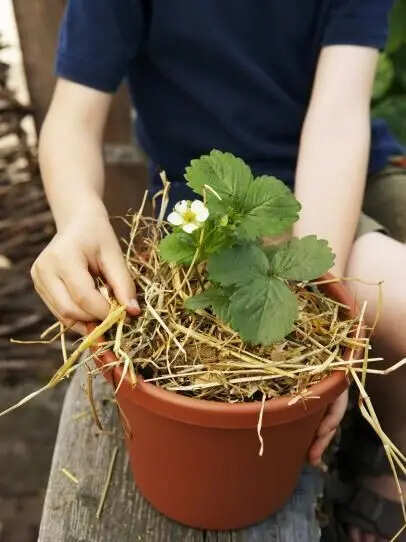
Expert Says This Simple Mulch Hack Will Help Your Garden Survive Harsh Weather
A 2025 study in Soil & Tillage Research, widely cited in 2026 climate-agriculture research, revealed, “Mulch layers moderate soil temperature fluctuations by insulating the soil surface, reducing both heat stress and cold exposure to plant roots.” It asserts that straw mulch acts like a “natural thermostat” and supports protection against heat waves and cold snaps.“Straw mulch acts like a natural thermostat for your soil,” explained Braun. “During hot days, it prevents the sun from baking the ground and causing rapid moisture evaporation.
When temperatures drop, that same layer insulates plant roots from sudden cold snaps.”According to a recent 2026 study in Agricultural Water Management, “Organic mulches significantly reduce soil water evaporation, improving moisture retention and enhancing plant resilience under water-limited conditions.” It affirms that straw mulch reduces water loss and helps during restrictions while improving plant survival in extreme conditions.
Common mulching mistakes that drastically reduce effectiveness and how to avoid them
This temperature regulation proves especially valuable during extreme weather events.
While bare soil can fluctuate by 20-30 degrees throughout the day, properly mulched soil maintains a steady temperature just a few degrees above or below the daily average.The moisture retention benefits become apparent within days of application. Straw creates thousands of small air pockets that slow water evaporation while allowing rain to penetrate gradually into the soil below.
Strategic application techniques for maximum protection
Proper straw mulch application requires more precision than simply spreading material around plants.
Braun recommended a 2-3 inch layer applied in a specific pattern for optimal results.
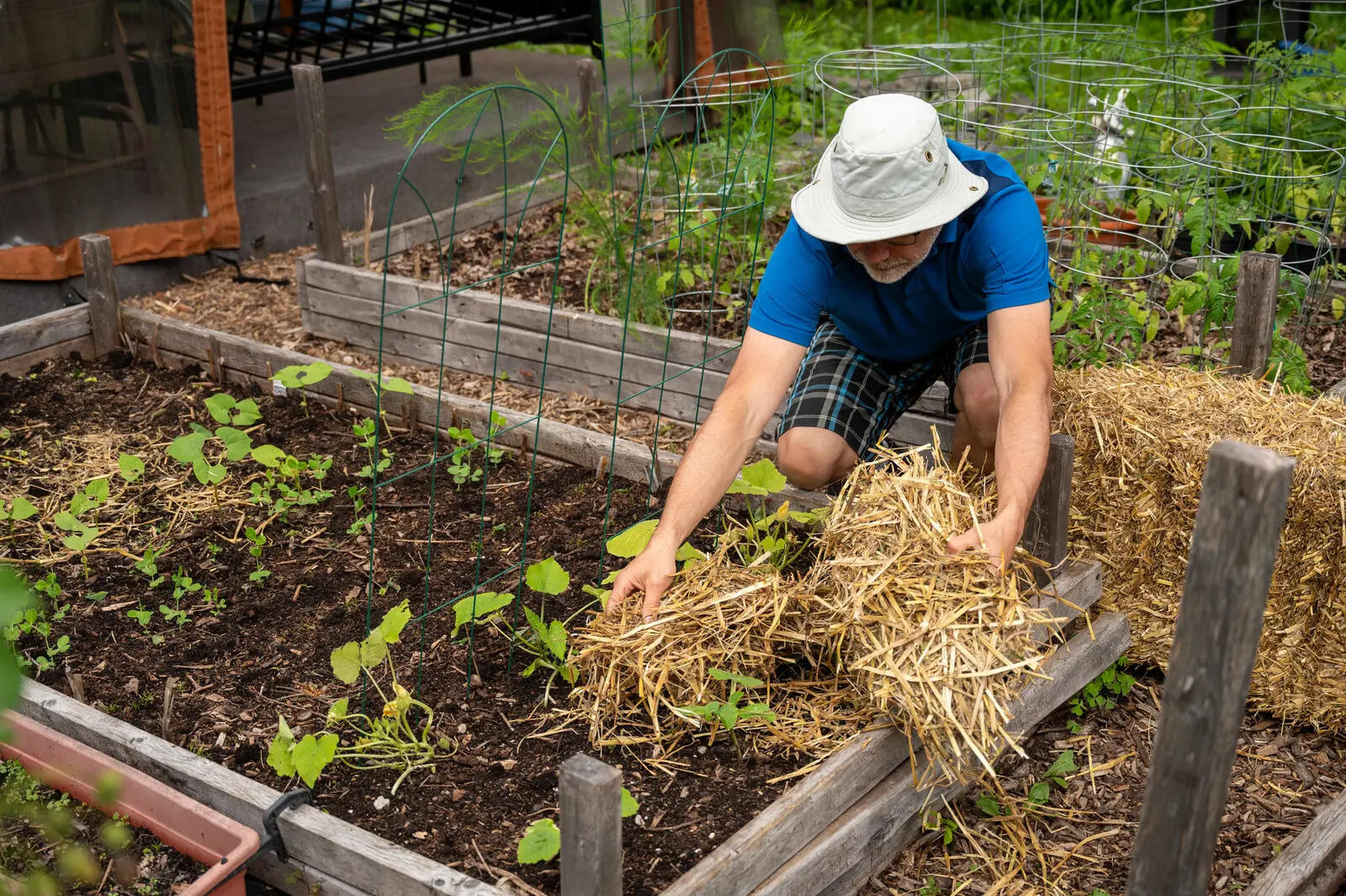
Gardening expert shares strategic mulch application method that creates protective barriers helping gardens withstand extreme weather with minimal water usage.
As per a 2026 study in Nature Sustainability, “Soil cover practices such as mulching improve resilience to extreme weather by stabilising soil conditions and reducing plant stress.” It establishes that mulching is a proven strategy for climate resilience and supports the broader narrative of gardening in extreme weather conditions.“For larger plants such as tomatoes, leave about an inch of space around the stem when applying mulch,” advised Braun.
“Arrange it in a donut shape that spreads roughly a foot from the plant’s base.” This technique prevents moisture from collecting against plant stems, which can lead to rot, while ensuring the root zone receives maximum protection. For row crops, apply the same 2-3 inch depth between rows, leaving plant stems exposed.Timing proves equally important. Apply mulch after soil has warmed in spring but before extreme temperatures arrive.
For established gardens, late spring application provides protection through summer heat and can remain in place for winter insulation.
Selecting the right mulch type for your garden
Different mulch varieties offer distinct advantages depending on your specific growing conditions and plant types. Wheat straw provides excellent moisture retention and breaks down slowly, making it ideal for vegetable gardens and perennial beds.“Wheat straw offers the perfect balance of durability and decomposition,” noted Braun.
“It holds its structure for a most of the season and provides protection – though will likely have to be reapplied at least once during the growing season – while gradually enriching the soil as it breaks down.”
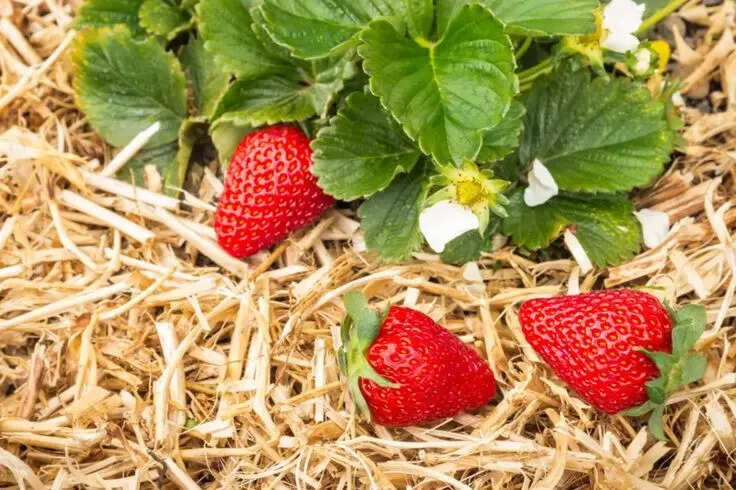
Expert explains specific straw mulch techniques, optimal application methods, and best mulch types for different garden applications.
For areas with heavy rainfall, wheat straw's superior drainage properties prevent waterlogging while maintaining soil coverage. Straw’s natural structure helps the mulch maintain a breathable texture, creating air pockets that promote healthy soil aeration.Vince Braun cautioned, “The biggest mistake is not mulching at all. That protective layer over your soil is essential to allow your plants to thrive. Similarly to no mulch, is not applying it thick enough. If you can see the soil through the mulch, it’s too thin and won’t provide the water conservation or weed suppression that you’re looking for. Another common error is using straw that still contains seeds. These seeds will sprout in your garden, creating a messy nightmare.
”He concluded with the suggestion, “Always choose a high-quality, naturally processed straw that’s been thoroughly cleaned to filter out as many wheat seeds as possible. People also tend to apply mulch too late in the season. By the time extreme weather hits, your plants are already stressed. Get your protective barrier in place during mild spring weather, and your garden will be ready for whatever nature throws at it.
”








 English (US) ·