

 1 hour ago
6
1 hour ago
6
ARTICLE AD BOX
Last Updated:March 23, 2026, 11:33 IST
Because India relies on imports for a significant share of key fertilisers and raw materials, the global tightening directly affects domestic availability and costs


India consumes about 35-36 million tonnes of urea annually, while the production is approximately 28-29 million tonnes per year. (AFP)
The US-Israel-Iran war has significantly disrupted global fertiliser supply chains by restricting traffic through the Strait of Hormuz, a critical maritime route for roughly 20–30 per cent of global fertiliser exports including urea, ammonia and sulphur. This closure has forced major exporters in the Middle East to cut or suspend shipments and has reduced natural gas feedstock flows that are essential for nitrogen fertiliser production.
Consequently, global fertiliser prices have surged sharply: key urea price indicators rose from approximately $484 per metric tonne at the end of February to around $597 per metric tonne in early March, reflecting tighter supplies and elevated risk premiums in the market. These disruptions are occurring alongside broader commodity shocks that have pushed Brent crude above $110 per barrel, compounding production and logistics costs across agricultural input sectors.
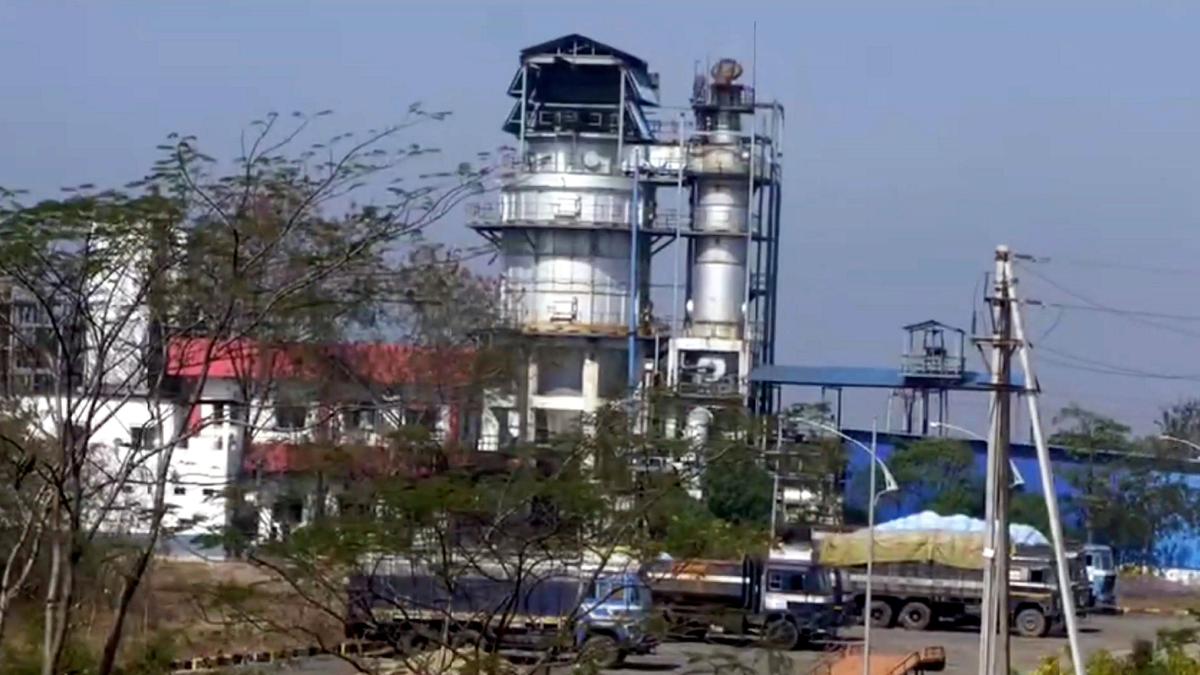
For India’s fertiliser industry, these global shocks are translating into tangible domestic impacts through both higher import costs and constrained production dynamics. India remains heavily reliant on imported fertilisers and feedstocks, with millions of tonnes of urea and phosphatic products historically sourced from overseas markets; disruptions in Middle East transit have made securing these imports more volatile and expensive. At the same time, disruptions to liquefied natural gas (LNG) supplies from the Gulf are squeezing feedstock availability for Indian urea plants, leading to reduced operating rates in some facilities.
With the conflict not ending and the crisis growing, policymakers and industry groups are actively seeking alternative suppliers, including discussions with Russia, Belarus and Morocco to diversify import sources, while also managing the risk of rising subsidy bills that could strain the government’s fiscal outlook.
Why India’s Fertiliser Sector Is Beginning To Feel The Shock
Fertiliser production — especially nitrogen-based fertilisers like urea — is highly energy-intensive and depends on natural gas not just for energy but as a feedstock. Any interruption to LNG supplies exacerbates production bottlenecks and raises costs. This has contributed to global urea prices rising from below about $425 per metric ton to over $600 per ton since the conflict escalated, reflecting tightening supplies and increased risk premiums.
Because India relies on imports for a significant share of key fertilisers and raw materials, this global tightening directly affects domestic availability and costs. Nearly half of India’s urea and DAP (diammonium phosphate) imports historically came via Middle East sources such as Saudi Arabia and Oman — regions now facing logistical and production strain due to the war — and supplies of imported LNG from Qatar have also been disrupted, squeezing domestic production capacity. As a government source told Reuters, “We’ve got more stocks than last year, but if the war goes on longer, things could get tight," underscoring fears that a prolonged conflict could lead to supply shortfalls ahead of the critical summer planting season.
“Just before the war, there was ample urea on the world market, with prices below $425 a ton. Now supplies are tight, and prices have risen above $600," another fertiliser firm executive was quoted as saying by Reuters.
Why Fertliser Forms A Pillar For India’s Farming Sector
The fertiliser industry forms a critical pillar of India’s agricultural ecosystem because modern crop production depends heavily on balanced nutrient application to maintain soil fertility and raise yields. With nearly half the country’s workforce linked to agriculture and allied activities, consistent access to fertilisers such as urea, diammonium phosphate, and potash directly influences foodgrain output, farmer incomes, and rural economic stability.
The sector’s importance is also tied to India’s food security architecture and policy priorities shaped since the Green Revolution era. Higher-yield seed varieties require precise nutrient support, and fertilisers help stabilise production of staples like rice and wheat that underpin the public distribution system. Recognising this linkage, the Indian government provides substantial subsidies to keep fertilisers affordable for farmers, ensuring that input costs do not derail cultivation cycles
What Is India Doing To Deal With The Fertilise Shock?
India has moved swiftly to secure short-term stockpiles and prevent immediate shortages of essential fertilisers. According to recent industry reports, India has already received about 1 million tonnes of urea at its ports, based on tenders issued before the Middle East conflict, giving the country sufficient inventory to meet domestic demand through May 2026. However, industry executives stress that additional imports will be needed ahead of the peak monsoon and summer planting season, when fertiliser consumption typically rises sharply.
To reduce dependency on volatile Middle Eastern supply routes — where about half of India’s urea and DAP imports traditionally originate — New Delhi is diversifying its sourcing strategy. Government and industry officials say India is in talks with Russia, Belarus and Morocco to bring in more fertilisers such as urea, diammonium phosphate (DAP) and potash over the coming months. Officials are also exploring Indonesia as a fallback supplier and have floated additional import tenders to ensure fresh cargoes arrive before demand surges.
On the domestic production side, the government is prioritising feedstock supply to fertiliser plants, especially liquefied natural gas (LNG), which is critical for nitrogen-based fertiliser manufacture. Authorities have reportedly ensured that domestic fertiliser manufacturers receive at least about 70 per cent of their usual gas allocations despite regional LNG disruptions, helping keep plants running and mitigating deeper production cuts.
First Published:
March 23, 2026, 11:33 IST
News india Supply Choked, Prices Soaring: How India Is Dealing With The Fertiliser Shock Amid Iran War
Disclaimer: Comments reflect users’ views, not News18’s. Please keep discussions respectful and constructive. Abusive, defamatory, or illegal comments will be removed. News18 may disable any comment at its discretion. By posting, you agree to our Terms of Use and Privacy Policy.
Read More





 English (US) ·