

 3 days ago
7
3 days ago
7
ARTICLE AD BOX
Last Updated:May 21, 2026, 13:48 IST
From Himanta Biswa Sarma to Pema Khadu, these are the five leaders who joined the BJP and went on to become Chief Minister of their respective states.
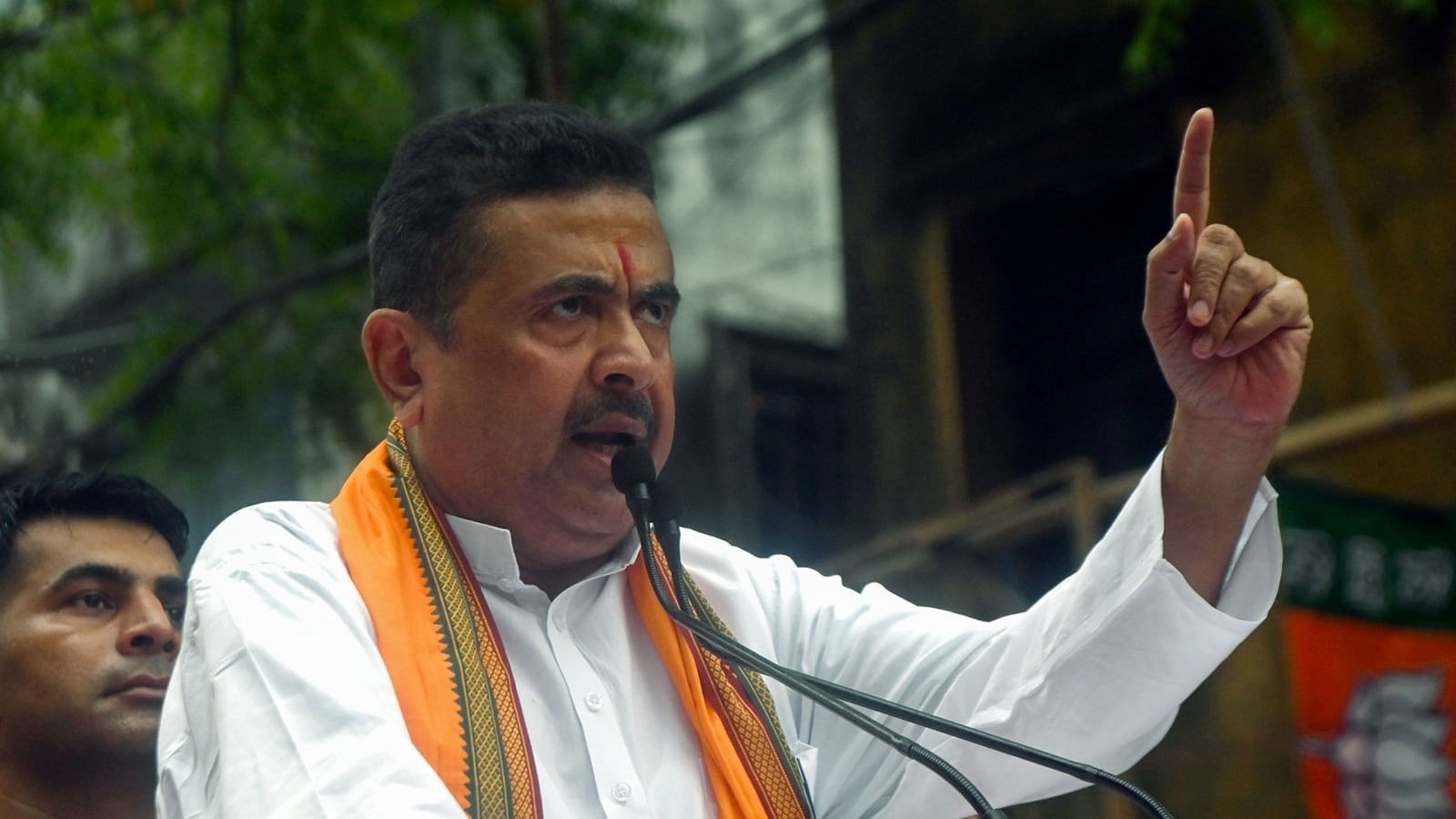
Suvendu Adhikari (West Bengal): Suvendu Adhikari, the newly sworn-in Chief Minister of West Bengal, transitioned from being Mamata Banerjee's trusted Trinamool Congress (TMC) lieutenant to the Bharatiya Janata Party’s (BJP) primary face in the state. He started his political journey with the Congress as a student leader before joining the All India Trinamool Congress around 2000, shortly after Mamata Banerjee formed the party. He played a major role in helping the TMC grow in several districts of West Bengal and became widely known during the Nandigram land protest movement against the Left Front government. However, relations between Suvendu and Mamata Banerjee later worsened after her nephew Abhishek Banerjee was given a bigger role in the party. Upset over the development, Suvendu resigned as transport minister in 2020 and joined the Bharatiya Janata Party. After switching sides, he strongly attacked the TMC government over issues like corruption, extortion, law and order, and the state’s economy, turning Bengal politics into a fierce personal battle with Mamata Banerjee.
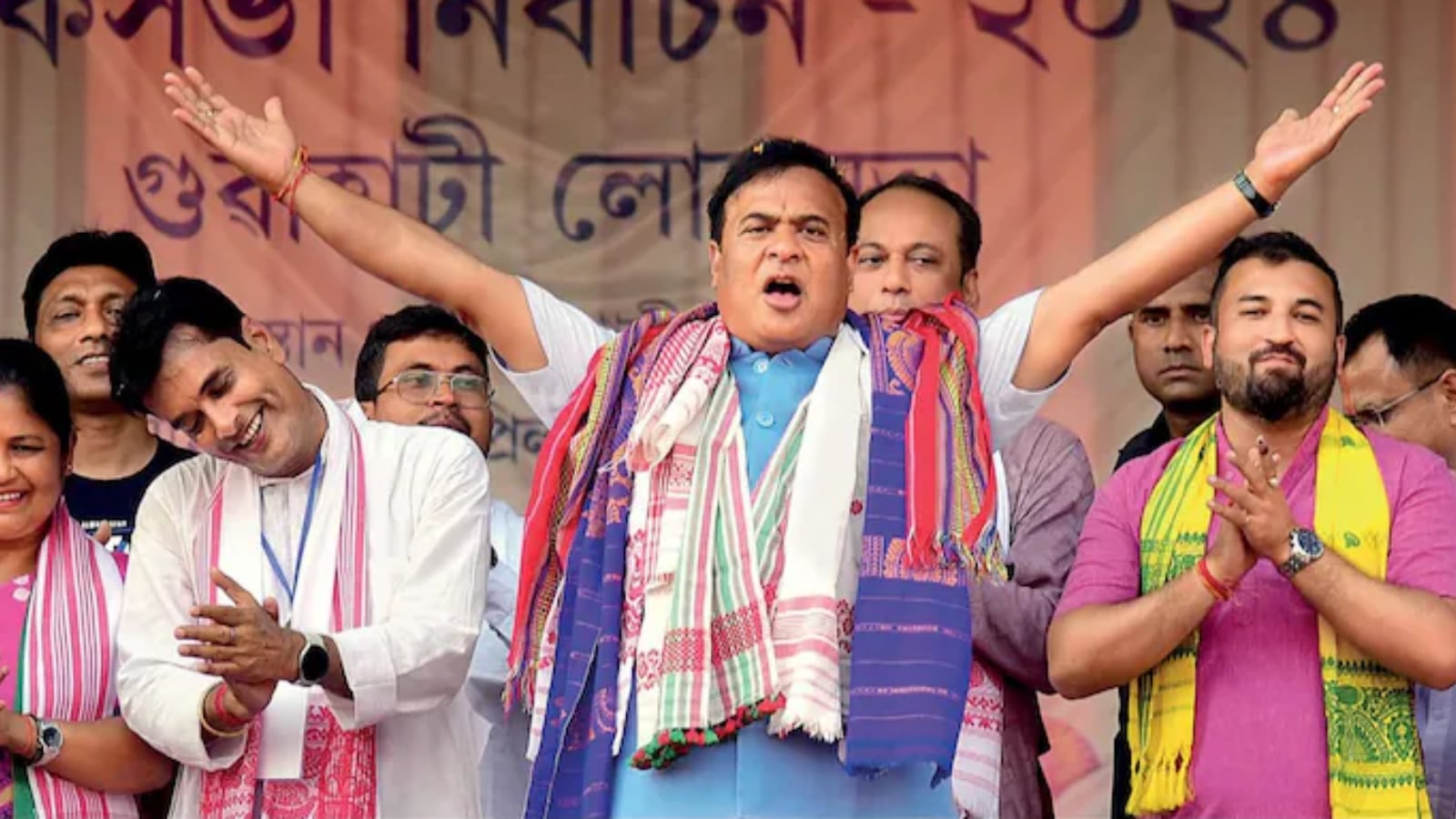
Himanta Biswa Sarma (Assam): The Assam Chief Minister began his political career through student politics and joined the Indian National Congress in the 1990s. In 2001, he won the Jalukbari assembly seat and later became one of the most important ministers in the government led by former Assam chief minister Tarun Gogoi. During his time in Congress, Sarma handled major departments like health, finance, education and public works, which helped him become one of the most powerful leaders in Assam politics. By the early 2010s, many people saw Sarma as Tarun Gogoi’s political successor. However, after Gogoi’s son Gaurav Gogoi became more active in politics, talks of favouritism within the party increased. Following differences with the Congress leadership, Sarma joined the Bharatiya Janata Party in 2015. After joining the BJP, he quickly became one of the party’s key leaders in the Northeast and played a major role in expanding its influence in the region. In 2021, he became the Chief Minister of Assam for the first time.
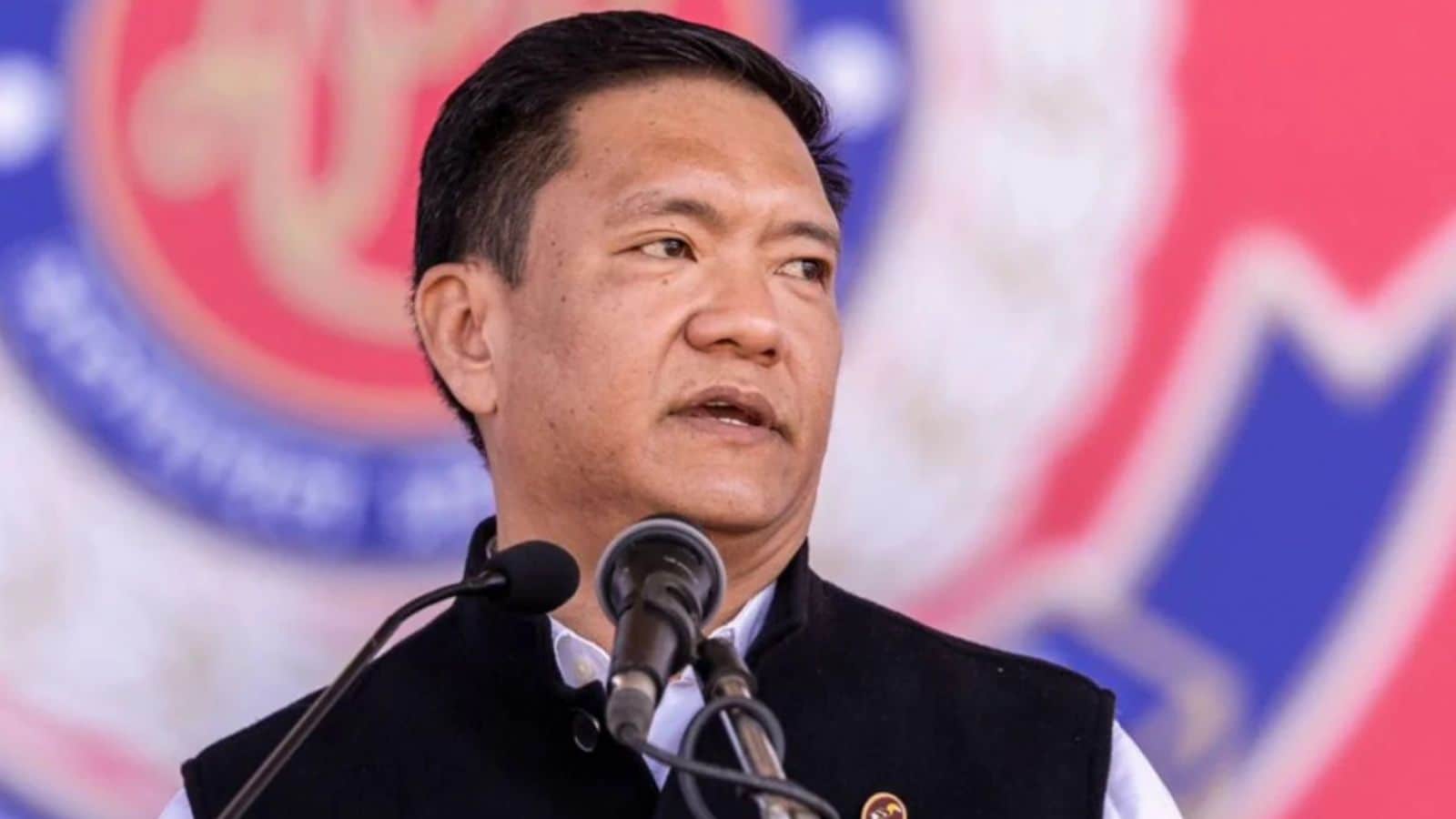
Pema Khandu (Arunachal Pradesh): Pema Khandu became an important political leader in Northeast India when he became the Chief Minister of Arunachal Pradesh in 2016. He is the son of former Chief Minister Dorjee Khandu, who died in a helicopter crash in 2011. After his father’s death, Pema Khandu entered politics at a young age. A graduate of Hindu College in Delhi, he soon became one of the youngest political leaders in the country. Pema Khandu first became a member of the Arunachal Pradesh Assembly in 2011 from Tawang, his hometown near the China border. He had joined the Indian National Congress in the early 2000s and later held important positions in the party. In 2016, he became India’s youngest Chief Minister. After taking office, his government changed political support twice - first from the Congress to the People's Party of Arunachal, and later to the Bharatiya Janata Party in the same year.
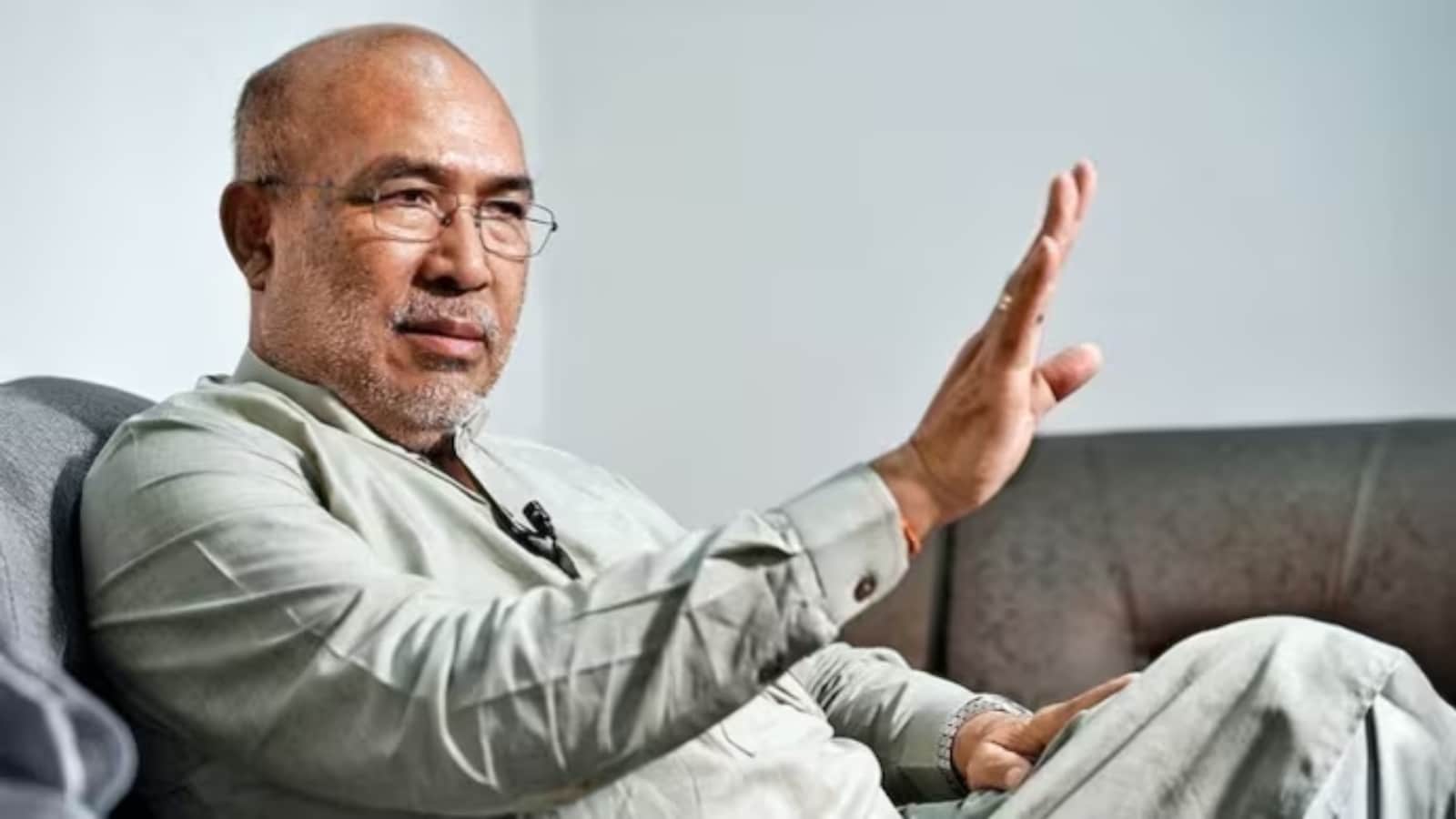
N Biren Singh (Ex-CM, Manipur): N Biren Singh began his career as a football player and journalist before entering politics. After leaving the Border Security Force, he started and edited a local newspaper called Naharolgi Thoudang. In 2002, he entered politics and won the Heingang Assembly seat as a candidate of the Democratic Revolutionary Peoples Party. A year later, he joined the Indian National Congress and became a close supporter of former Chief Minister Okram Ibobi Singh. During his time in government, Biren Singh handled several important departments, including sports, forests, vigilance, and irrigation. He worked to improve sports facilities across Manipur. After differences with Congress leaders, he resigned from the party in 2016 and joined the Bharatiya Janata Party. He played a key role in helping the BJP form its first government in Manipur and became the state’s Chief Minister in 2017. In 2022, the BJP won a clear majority under his leadership, helping him continue as Chief Minister. However, his second term faced major challenges because of ethnic violence between the Meitei and Kuki communities in 2023, after which he resigned from the post.
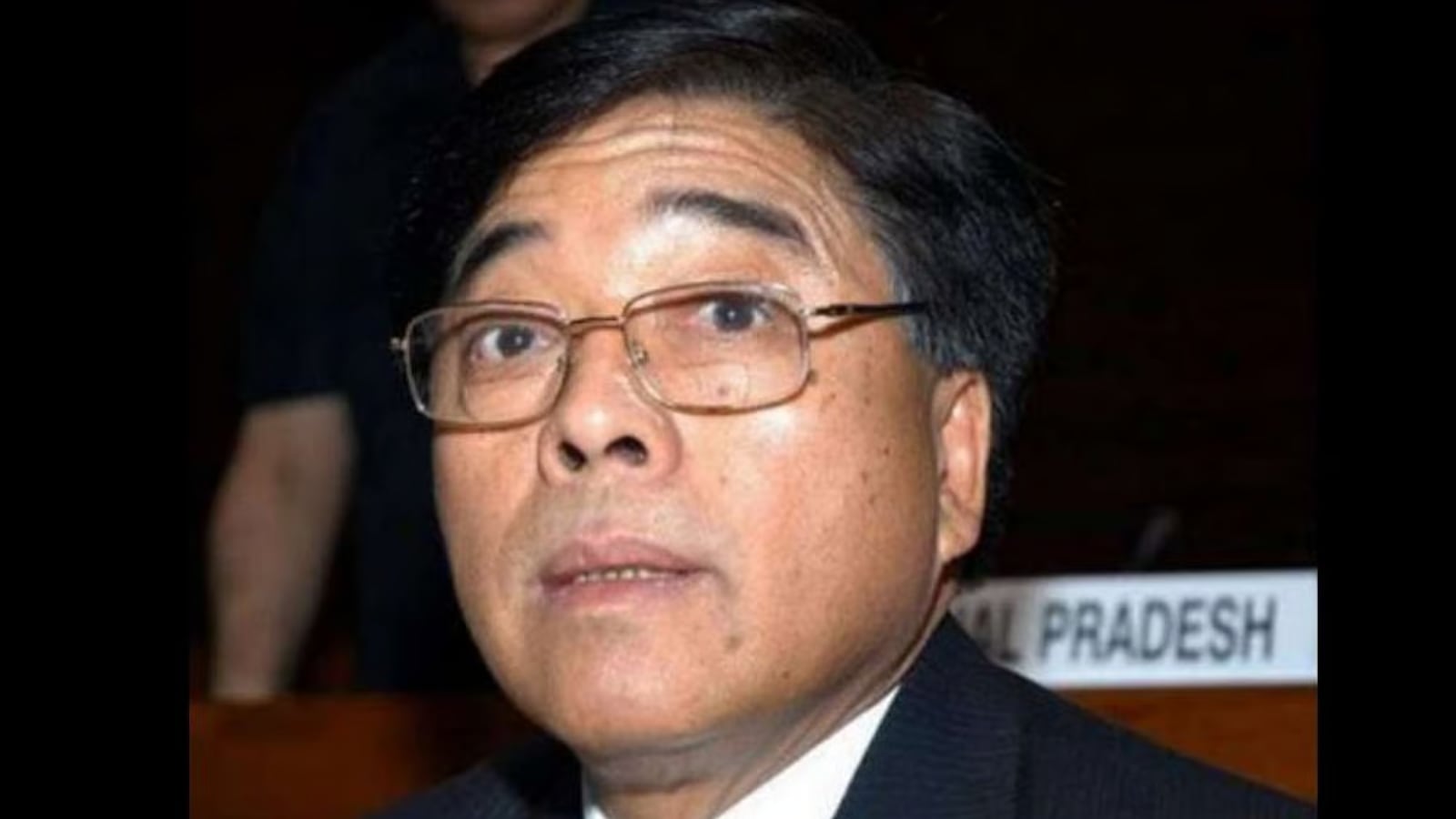
Gegong Apang (Ex-CM, Arunachal Pradesh): The former chief minister of Arunachal Pradesh, Gegong Apang, was a Congress leader before he quit the party. Gegong Apang started his political career in the 1970s and became a member of the first Legislative Assembly of Arunachal Pradesh in 1978. He was given important responsibilities as Minister for Agriculture and Public Works Department (PWD). In 1980, he became the Chief Minister for the first time and remained in office for almost 19 years, making him one of the longest-serving Chief Ministers in India. During his leadership, Arunachal Pradesh became a full-fledged state in 1987. In 1996, Apang left the Indian National Congress because of disagreements with party leaders over the Chakma-Hajong refugee issue. He then formed a regional party called the Arunachal Congress. After losing power in 1999, he returned as Chief Minister in 2003 with the support of a coalition government. Later, he merged his party with the Bharatiya Janata Party, making it the first BJP-led government in Northeast India. He later returned to Congress, but after legal and political problems, including a major PDS scam case, he rejoined the BJP in 2014. In 2019, he left the BJP once again to join Janta Dal (Secular).
News Photogallery india Suvendu Adhikari To Himanta Sarma: 5 Congress Stalwarts Who Became BJP CMs



 English (US) ·