

 1 day ago
5
1 day ago
5
ARTICLE AD BOX
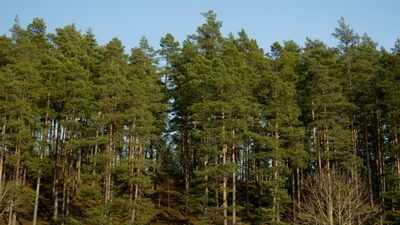
Representative image of a Swedish forest. Image credits: Pexels
Climate change could shift Sweden’s forests before the end of the century, with trees beginning their annual growing season up to 41 days earlier than they do today. Researchers believe that the shift may not alter the forest ecosystem but also create more favourable conditions for one of Europe’s most damaging pests, the spruce bark beetle.
The findings in the International Journal of Biometeorology suggest that warmer temperatures under future climate scenarios could accelerate the spring growth across Sweden while extending the active season for insects that depend on mild weather.Earlier spring can significantly transform Sweden’s forestsAccording to a model designed by researchers, Sweden’s growing season may change under different climate projections through the end of the century. Their analysis found that the forest can start leafing out between nine and 41 days earlier by 2099.
This, however, hugely depends on future greenhouse gas emissions, with the greatest changes being expected under higher-emissions scenarios, where warmer spring temperatures arrive much sooner than they do today.Notably, an early growing season could influence how some forests absorb carbon, use water, and interact with their surrounding ecosystems. While a longer growing period may initially support an increase in plant growth, scientists have noted that it could also expose the forest to new environmental stresses and ecological imbalance.
Additionally, the study highlights concerns regarding the spruce bark beetle, a pest responsible for widespread damage to conifer forests across Europe.
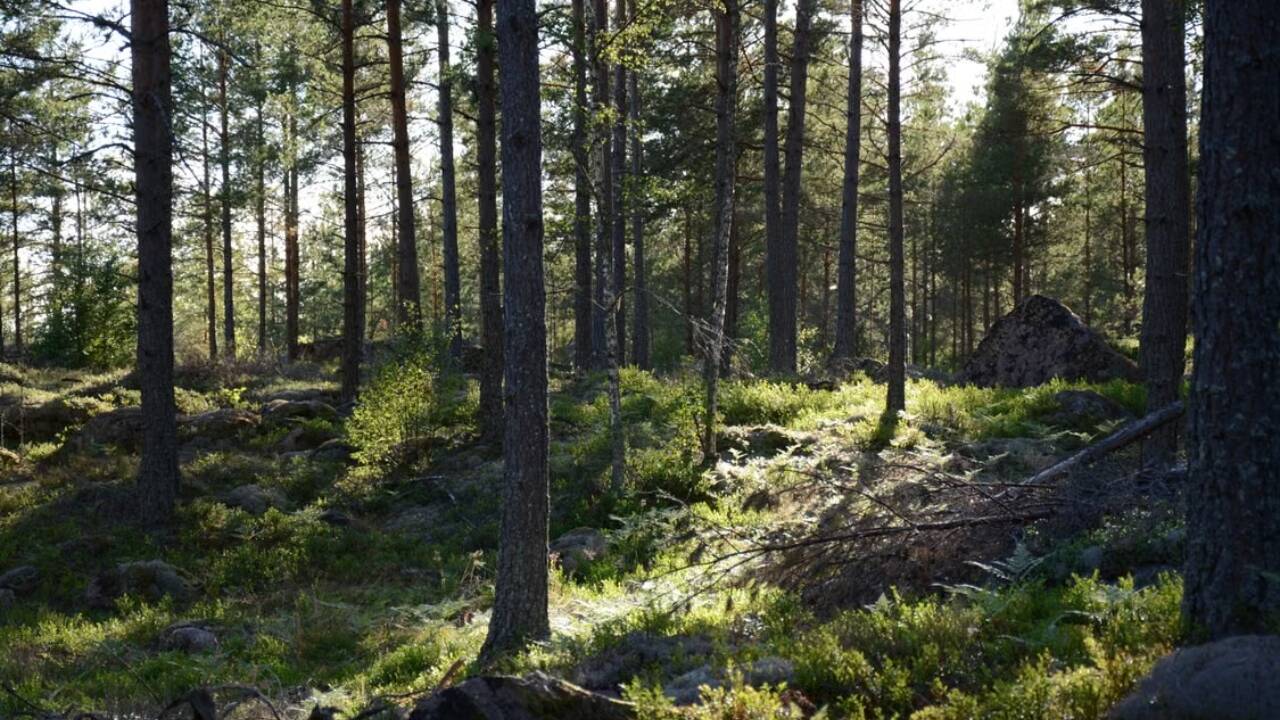
Representative image of a Swedish forest. Image credits: Pexels
The concern stems from the insect’s temperature-dependent life cycle, which warmer conditions could allow to produce additional generations within a single year, a process known as voltinism. Thus, more generations mean larger beetle populations and potentially greater threat to the already climate-stressed forests.
Researchers say that this combination of earlier spring and longer warm seasons may increase the likelihood of these beetles in parts of Sweden in the coming decades.Climate change is reshaping forest ecosystemsScientists have long warned that climate change will make forests one of the most vulnerable species in the ecosystem. The rise in temperature could alter seasonal cycles, shifting distributions among species and increasing the risk of drought, forest fire, and insect infestations. According to the IPCC, climate-driven changes are already affecting tropical forests worldwide, with impacts expected to intensify as global warming continues to make a huge impact.
Moreover, recent findings suggest that Sweden’s forests may experience several of these climate changes simultaneously, making long-term monitoring and developing adaptive forest management a top priority.The study indicates that understanding the potential future shifts in growing seasons and pest activity will help forest managers prepare for the upcoming change in climatic conditions. Additionally, improved monitoring of seasonal changes and pest outbreaks could help forest managers prepare for future changes. Therefore, while an earlier spring might seem like a blessing at first, researchers say the resulting rise in insects and ecosystem changes could pose a significant challenge for one of Europe’s largest forest landscapes









 English (US) ·