

 1 hour ago
5
1 hour ago
5
ARTICLE AD BOX
CHENNAI: In 2006, when DMK patriarch M Karunanidhi promised colour televisions to every household in the state, he said the party’s poll manifesto was the ‘hero’ of the election.
In the 2026 election, DMK president M K Stalin called the manifesto the ‘heroine’ of this election, announcing a slew of promises aimed at women’s welfare. In fact, all the major contenders— DMK, AIADMK and TVK — seem to have women’s empowerment at the centre of their poll promises.While being pitched as women-centric, the naming of the schemes appears to draw from patriarchal ideas of a woman’s identity.AIADMK announced a ‘Kula vilakku scheme’ akin to DMK’s existing ‘Kalaignar Magalir Urimai Thogai scheme’, while TVK has promised the ‘Thaai Maaman Seer’ (where every baby girl will get a gold ring).
DMK announced an ‘Illatharasi scheme’, under which homemakers will receive a coupon to buy or exchange domestic appliances.So, what’s in a name? ‘Kula vilakku’ describes a woman expected to sacrifice everything for her family or her husband’s family, to carry the family’s pride and honour to the next generation. The ‘Thaai Maaman Seer’ (meaning gift by uncle) seems to legitimise the tradition of consanguineous marriages.
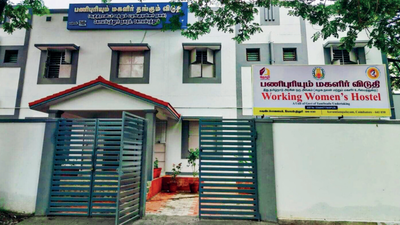
In the 2021 assembly election, DMK promised a monthly dole of Rs1,000 to women heads of families, but named it ‘Kalaignar Magalir Urimai Thogai’, using terms such as ‘magalir’ (women) and ‘urimai’ (rights), a more progressive choice of words. Similarly, when it rechristened the ‘Moovalur Ramamirtham Ammaiyar Memorial Marriage Assistance Scheme’ as the ‘Moovalur Ramamirtham Ammaiyar Higher Education Assurance Scheme’ (now popularly known as the ‘Pudhumai Penn’ scheme) the aim shifted to increasing girls’ enrolment in higher education.In TN, women’s workforce participation is among the highest in India, and more women are choosing to live independently, driven by aspirations of economic independence, career growth and moving beyond social norms. According to the 2011 Census, Tamil Nadu has 9 lakh ‘one-woman’ households. In that context, welfare schemes that continue to frame women within marital and family identities point to how the language of policy has not kept pace with social changes. “The institution of marriage and a family structure still hold people together here. So, it is natural that political parties, when framing manifestos, target women as heads of families,” says S Chinnammai, professor and head, department of Economics, University of Madras. “Though the naming of the poll promises was centred on ‘married women’, they would extend to single mothers.”Advocate A Arulmozhi says poll promises are based on a party’s ideological background. “When DMK introduced financial assistance to women, it named the scheme after Moovalur Ramamirtham, a woman social reformer. Similarly, schemes such as ‘Pudhumai Penn’, ‘Thozhi’ (working women’s hostels) include every woman irrespective of marital status,” says Arulmozhi. “This time, in its poll promise, it has used the term ‘Illatharasi’, the literal translation of the Tamil words ‘kudumba thalaivi’ (woman head of the family). It need not be seen under a ‘marital status’ lens.”



 English (US) ·