

 1 hour ago
3
1 hour ago
3
ARTICLE AD BOX
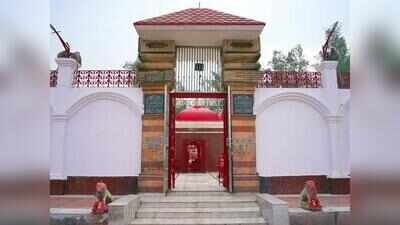
Two priceless Ashtadhatu idols of Lord Ram and Goddess Sita were stolen from Thawe Durga Temple in Gopalganj last year. They were later recovered from beneath the ground
Patna: While allegations of large-scale embezzlement of donations at the Shri Ram Janmabhoomi Temple in Ayodhya have dominated national headlines, Bihar presents a different picture of temple-related crime. Unlike reports of missing cash, gold and silver offerings, the state has witnessed repeated thefts of temple idols, particularly antique Ashtadhatu (eight-metal alloy) idols, exposing security gaps at places of worship.According to the National Crime Records Bureau’s ‘Crime in India 2024’ report, Bihar ranked 15th among 36 states and Union Territories in idol thefts from places of worship under Section 305(d) of the Bharatiya Nyaya Sanhita (BNS). The state recorded eight cases against the national total of 465, with Odisha topping the list at 151. Bihar Police recovered three Ashtadhatu idols and five other metal idols while arresting five accused.State police data paints a more worrying picture. In 2025, Bihar registered 11 idol theft cases in districts including Saran, Samastipur, Begusarai, Munger, Bhagalpur and Purnia. During the year, 10 Ashtadhatu idols and eight other metal idols were stolen, with no recoveries or arrests. Till June 2026, nine cases had already been reported in Aurangabad, Rohtas, Madhepura, Samastipur and Begusarai. Fourteen Ashtadhatu idols and two other metal idols went missing.
Police recovered two Ashtadhatu idols and one other metal idol and arrested five accused.Among the major cases this year was the theft of a 15-kg Ashtadhatu idol of Lord Hanuman from a temple in Madhepura. Police later recovered the idol and arrested two accused. Another incident involved the theft of Ashtadhatu idols of Lord Ram, Sita and Lakshman from a temple located beside a police station in Saran.Economic Offences Unit DIG Manavjit Singh Dhillon said idol thefts in Bihar are carried out by both organised criminal networks and opportunistic offenders.
He said organised gangs target antique idols to feed the illegal antiquities market, where they are sold through clandestine channels to collectors and investors, sometimes eventually reaching auction houses.Dhillon said another category comprises drug addicts and petty criminals who steal Ashtadhatu idols simply for quick money before selling them cheaply in the grey market, from where they may ultimately reach organised networks.
“Organised gang purchasers are generally aware that the idols are stolen. At the same time, some claim they are selling idols because the families are migrating, can no longer maintain ancestral temples or wish to dispose of old idols for safekeeping,” he said.The recurring thefts have become a major concern not only because of the idols’ value in the illegal antiquities market but also because of their immense religious, historical and cultural significance.
Devotees also face another ordeal, as recovered idols often remain locked in police malkhanas for years before being returned.One such case involved an idol of Lord Hanuman in Bhojpur district, which remained in police custody for nearly 29 years before being restored to the temple following a court order in 2023. In another case, seven Ashtadhatu idols of the Ram Darbar stolen from a temple in Buxar in 2023 were returned to the temple authorities only in Feb 2026 after remaining in the Koilwar police station malkhana for three years.








 English (US) ·