

 14 minutes ago
3
14 minutes ago
3
ARTICLE AD BOX
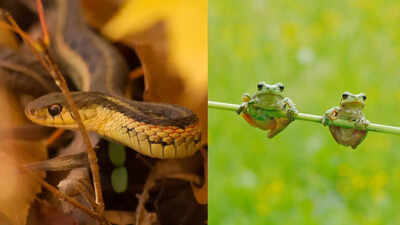
Summer season is here, and it is time when some surprise vistors can walk around your house or at the backyard. Well, as the weather changes and the grass begins to shoot upward, millions of Americans head out to the garage to dust off their lawnmowers.
Mowing the lawn is a quintessential summer chore, but a perfect backyard often comes at a hidden cost to local wildlife. Spring and summer coincide with peak nesting and breeding seasons for a variety of small creatures. For an animal hiding in tall grass, a spinning mower blade is a sudden and catastrophic threat. Before you pull the starter cord this season, it is crucial to know which wild neighbors are sharing your yard and how you can protect them from harm.Eastern Cottontail RabbitsPerhaps the most common victims of mowing season are newborn Eastern cottontail rabbits. Mother rabbits do not build deep burrows; instead, they dig shallow depressions in open grassy areas, lining them with fur and grass. These nests are incredibly well-camouflaged and easy to overlook, often looking like nothing more than a dead patch of brown grass. Baby rabbits and kittens stay in these nests for about three to four weeks.
They possess a natural instinct to freeze when they hear danger approaching, meaning they will not run away from a loud mower. Before you cut any patches of overgrown grass, walk your yard to check for these subtle, golf-ball-sized dips in the ground.Box Turtles and Snapping TurtlesTurtles frequently venture into suburban backyards, especially between May and July, when females search for soft soil to lay their eggs.
Because they move slowly and their shells mimic rocks or clods of dirt, they are easily struck by riding mowers and push mowers alike. A mower blade can shatter a turtle’s shell, leading to fatal injuries. Raising your mower deck to a height of at least three to four inches not only promotes a healthier lawn, but it also allows the blade to pass safely over the top of many smaller box turtles.
If you spot a turtle in your path, carefully move it to a safe, shaded area in the direction it was already traveling.Ground-Nesting BirdsWhile many birds build their homes high up in the safety of trees, several species nest directly on the ground or in low-lying brush. Birds like the Killdeer, Bobwhite Quail, and various species of sparrows often lay their eggs in tall, undisturbed grass. Mowing through these areas can destroy nests, crush eggs, and kill fledglings that are not yet old enough to fly. If you notice a bird acting distressed, fluttering aggressively, or faking a broken wing nearby, it is a definitive sign that a nest is close.
Avoid mowing that specific zone for a few weeks until the young have successfully left the nest.Toads and FrogsOn humid days or shortly after a heavy rain, American toads and various frog species flood into backyard lawns to hunt for insects. Their mottled green and brown skin blends perfectly with the turf, making them nearly impossible to see from atop a noisy riding mower. Amphibians are highly sensitive to the heat and vibration of machinery, but their leap reflex isn't always fast enough to dodge a rapid machine.
To minimize harm, try to avoid mowing your lawn early in the morning when the grass is still wet with dew, or immediately after a rainstorm, as this is when amphibians are most active on the surface.Garter Snakes and Black RatsnakesSnakes are polarizing. This gives animals a way to get out safely to the perimeter fences or bushes. They do not get trapped in an area of grass. If you keep your mower blades high, three to four inches, animals will be safer.
Do not cut the grass at dawn or dusk. This helps animals that are close to the ground or are out at night. It gives them the chance to stay safe. Backyard creatures play a vital role in keeping local rodent and insect populations under control.
Snakes love tall grass because it provides shelter from predators and a cool break from the hot summer sun. Because snakes rely on the vibrations of the earth to navigate, the intense, chaotic rumble of a lawnmower can disorient them, causing them to coil up in defense rather than flee.
Walking through your yard to create foot vibrations before you bring out the heavy machinery will usually give snakes plenty of warning to slither away safely into nearby woods or flowerbeds.Smart Prep and StrategyProtecting backyard wildlife doesn't mean you have to let your property turn into an unmanageable jungle. Adopting a few simple habits before you even pull the starter cord can make a massive difference.
Taking a few minutes to walk your entire yard to look for nests, hidden animals, or debris is the best first line of defense. Stomping your feet a bit during this walkthrough creates ground vibrations that naturally warn hiding creatures to clear out well before the loud machinery arrives.Changing How and When You CutOnce you start the engine, the way you navigate the yard matters just as much as the prep work. Try mowing from the inside out by starting in the center of your lawn and working your way outward in a spiral pattern. This gives animals a way to get out safely to the perimeter fences or bushes. They do not get trapped in an area of grass. If you keep your mower blades high three to four inches animals will be safer. Do not cut the grass at dawn or dusk.
This helps animals that are close to the ground or are out at night. It gives them the chance to stay safe.









 English (US) ·