

 51 minutes ago
6
51 minutes ago
6
ARTICLE AD BOX
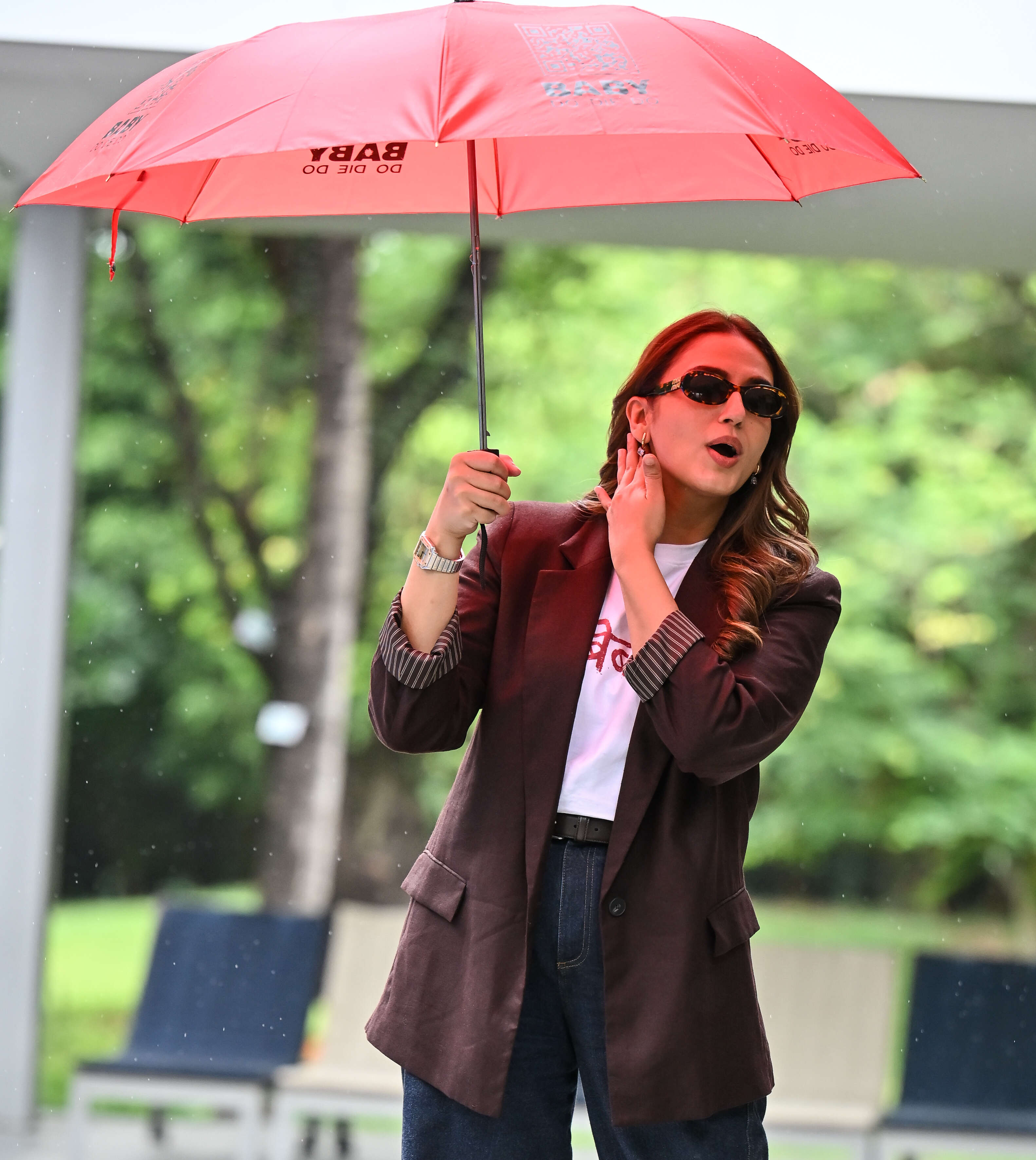
Huma Qureshi is on double duty these days. While acting continues to be the primary task, she is also on the lookout to back good stories as a producer. In a chat, Huma speaks to us about creating a space for doing just that, why passion also needs a sustainable output, and how the red umbrella from her next film, is very on the verge of becoming a pop culture phenomenon.
Excerpts:'Many stories are waiting to be told'For Huma, the producer, the idea is to create a space for telling a variety of stories specifically to bridge the gap between niche and mainstream. "There are so many stories waiting to be told but not enough makers to tell them. Take 'Baby Do Die Do' for example. Saqib (her brother, actor Saqib Saleem) and I had the story with us for four years. We tried getting producers on board but for some or the other reasons, the film didn't materialise.
Since it was a story that we thought should be made into a film, we decided to back it," she shares. Elaborating on how she wants to be part of films that have have depth and appeal to a larger cross section of society at the same time, the Single Salma actress says, "We keep saying Bollywood ka naya daur aya hai, but the moment kuch naya banane ka samay aata hai, people go back to Excel sheets and formulas. I've seen it happen to many filmmakers who had interesting stories to tell."
‘We need small and mid-size films to work’The idea, Huma tells us, is to establish a balance. “A balance between great content, performances, working with new people who have fresh ideas — all this packaged in a way that ensures wider reach,” says the actress. They haven’t cracked the code yet but hope to soon. “See, we don’t have the money muscle that a big banner or production house may have. But if we’ve reached this far with our film, it’s because people responded well to whatever material we put out there, and our team put in a lot of hard work.
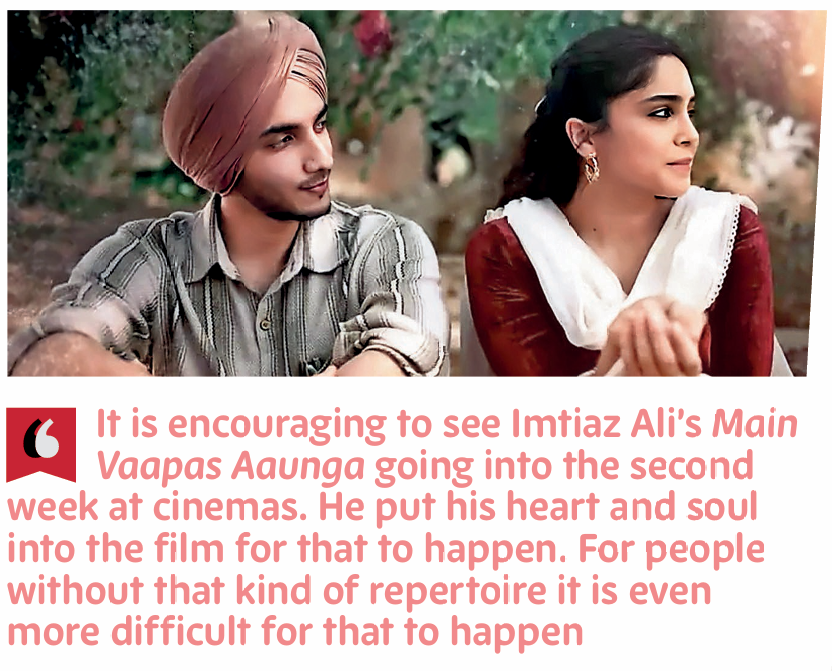
But for us all to keep going — artistes, technicians, everyone — smaller, independent films need to work. When a film like Imtiaz Ali’s 'Main Vaapas Aaunga' does well in its second week at the cinemas, it’s very encouraging for us. We need small and mid-sized films to work. The business cannot be sustained by big films alone,” adds Huma. ‘I am beyond nomenclature at this point’'Baby Do Die Do' has Huma playing a deaf and mute hitwoman, something the actress is very kicked about.
Since the film has her character at the centre of the story, we ask if she is for or against the classification of such films under women-centric cinema and she replies, “At this point I am beyond nomenclature. I don’t care for any terminology. I feel the real win for us would be when this film about a woman is taken as seriously as a film that the boys are part of, and given equal budgets and showcases.
” The Maharani actress also calls for a change in perception of films by women.
Recalling a recent incident, Huma says, “A lady from Delhi got in touch saying they wanted to host a screening of our film. She asked me, ‘Toh aapke film ka issue kya hai?’ Because, apparently, a film with a woman at its centre has to be issue-based. Humne kya theka le rakha hai ki auratein sirf issue-based films hi banayegi? Why can’t we make a film that’s just entertaining?” The actress adds, “As amazing as some of the issue-based films are, I don’t want to be making just those.
I think this discourse needs to be brought into the mainstream. For me 'Baby Do Die Do' is about an angry young woman. There are not enough representations of that in our cinema.”

On Marathi cinemaHuma was part of Umesh Kulkarni’s Marathi film 'Highway-Ek Selfie Aar Paar' (2015). Ask her if she would do another Marathi film and she says, “ It’s been a while since I did a Marathi film. I think some of the films coming out of the Marathi industry are fantastic and I would love to be a part of something like that soon.”






 English (US) ·