

 6 hours ago
2
6 hours ago
2
ARTICLE AD BOX
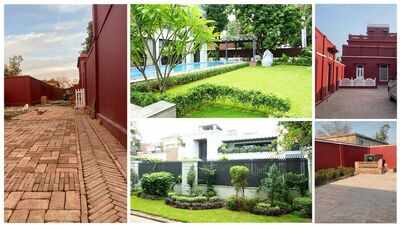
Landscaping in real estate (TIL Copyright image)
When filmmaker Imtiaz Ali creates a world on screen, every detail matters. From the emotions of his characters to the spaces they inhabit, his stories are known for their authenticity, nostalgia and visual poetry.
His latest film, Main Vaapas Aaunga, continues that tradition, unfolding across two distinct eras against carefully curated architectural and natural backdrops. While audiences have been captivated by the film's poignant storytelling, few may realise that some of its most memorable outdoor settings were already works of art long before the cameras arrived. Behind two of the film's featured properties is Chandigarh-based interior and landscape designer Monita Bharadwaj, whose thoughtfully designed outdoor spaces became an integral part of the film's visual language.Importantly, Bharadwaj was not part of the movie's design or production team. The properties were selected independently by the filmmakers, who coordinated directly with the homeowners. Her contribution lies in the landscape design that had already transformed these spaces into compelling environments worthy of the silver screen.Where design meets storytellingThe film traverses two timelines, juxtaposing the warmth of Punjab's heritage architecture with the elegance of contemporary urban living.
One of the featured locations is a nearly 150-year-old heritage residence in rural Punjab, the red house associated with Vedang Raina's character. The property belonged to an existing client for whom Bharadwaj had previously completed multiple projects. Commissioned to undertake landscape work before the film's shoot, Bharadwaj approached the project with a deep respect for history and context."The objective was never to create something decorative," she explains.
"The landscape had to feel as though it had always belonged there." The pathways, courtyards and outdoor flooring were executed in traditional brick, echoing construction methods common to the era. Even the flooring patterns were developed after extensive research into historical precedents. Planting choices drew from species naturally found in Punjab's countryside, ensuring the landscape blended seamlessly with the surrounding agricultural setting.Rather than introducing ornamental gardens, Bharadwaj chose bougainvillea, hibiscus, wild roses and other locally thriving varieties. The result was a landscape that appeared organic and lived-in, an environment that supported the architecture rather than competing with it. "We wanted the plantations to merge into the backdrop of the fields instead of standing out as a designed garden," she says. "The use of local materials and regionally appropriate plants is just as important outdoors as selecting the right finishes indoors.
"Subtle period-sensitive lighting further enhanced the property's authenticity. Light fixtures were selected to gently accentuate the heritage façade without becoming a visual statement in themselves, reflecting the understated character of historic homes.
A Contemporary CounterpointIn striking contrast, another property featured in the film is a neo-classical villa in Chandigarh, a project completed by Bharadwaj before it was selected as a shooting location.
Here, the design language shifts dramatically.Where the heritage residence embraces rustic simplicity, the city villa celebrates structure, scale and sophistication. The landscape design was conceived to complement the grandeur of the architecture through carefully articulated hardscaping, stone-clad niches, architectural artefacts and climbing greenery.A defining feature of the residence is its relationship with the outdoors.
Expansive windows, frame views of the landscape from every angle, making each vista feel almost like a living painting."The house opens itself to the garden through large windows on all sides," Bharadwaj notes. "Every view had to feel curated, while still maintaining a sense of naturalness."The swimming pool, lawns and surrounding planting schemes were designed to create layers of visual interest, ensuring that nature remained an ever-present element of the living experience.What is landscapingLandscaping is the art and science of planning, changing and caring for outdoor space to make it useful and attractive to the eye. It’s the artful placement of elements like plants, trees, turf, walkways, water features, lighting and outdoor structures to enhance the beauty, utility and environmental value of a space. Modern landscaping is also about sustainability, not just aesthetics, encouraging biodiversity, saving water, improving air quality and creating healthier, more pleasurable environments for people to live, work and relax in.
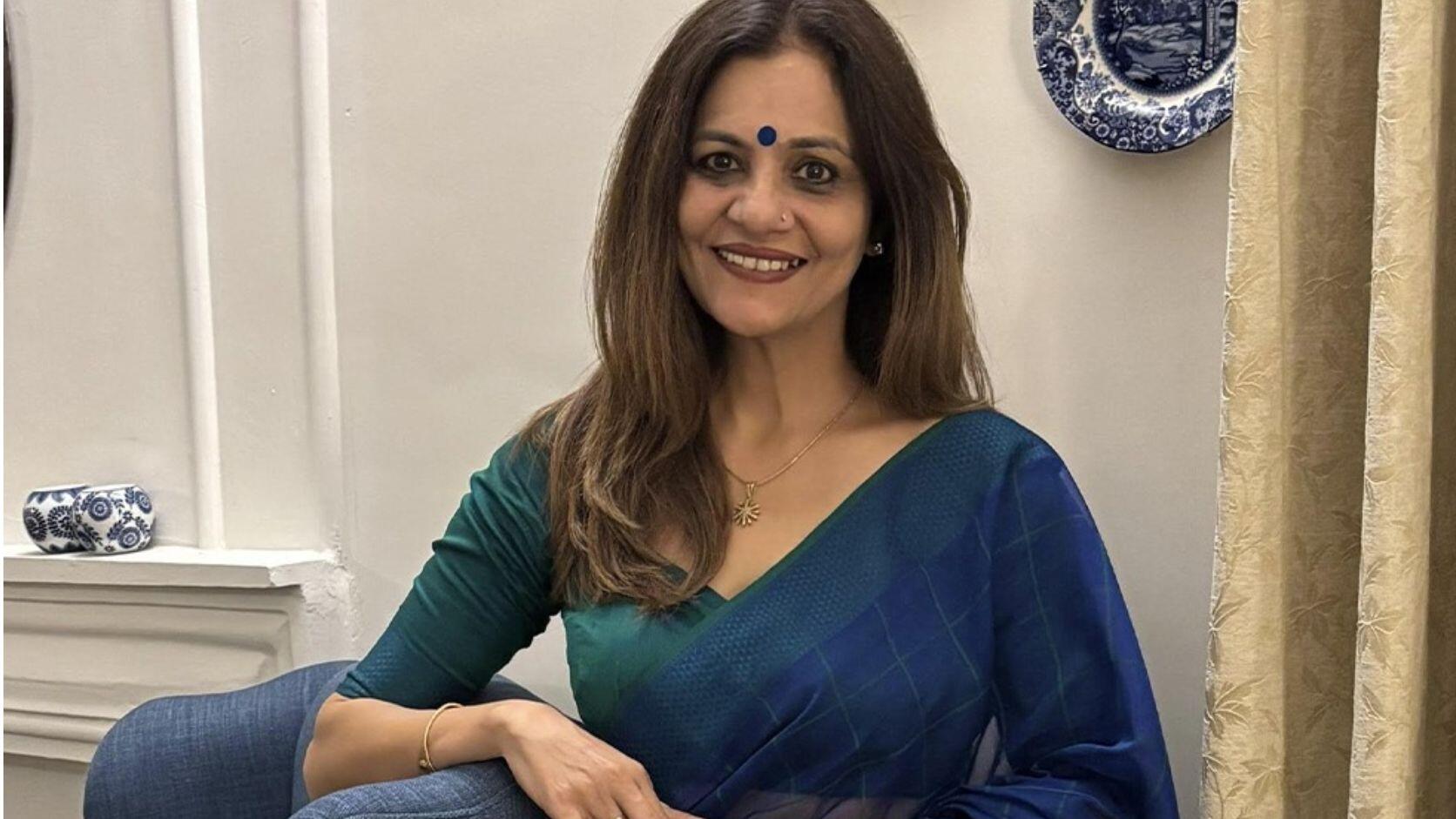
Monita Bharadwaj
The growing importance of landscape design in real estateThe appearance of Bharadwaj’s work in a major film also reflects a broader shift in how outdoor spaces are perceived in India today.Over the past decade- and particularly after the pandemic- homeowners have begun placing greater emphasis on gardens, courtyards and outdoor living areas. Landscape design has evolved from being an afterthought to becoming an essential component of residential planning."People increasingly want to live closer to nature," says Bharadwaj. "Earlier, gardening was often left entirely to maintenance staff. Today, homeowners are seeking professional design solutions that integrate architecture, functionality and ecology."According to her, successful landscape design begins with understanding the architectural character of a property and its surroundings. A rural heritage home demands a vastly different approach from an urban villa, and each project must respond authentically to its context.The two properties featured in Main Vaapas Aaunga exemplify this philosophy. Though radically different in style, both landscapes share a common thread: a deep sensitivity to place.






 English (US) ·