

 1 hour ago
8
1 hour ago
8
ARTICLE AD BOX
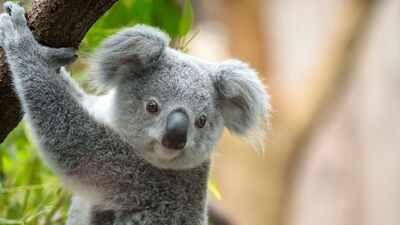
The mere thought of Australia is incomplete without mentioning the most adorable creature, the little and mighty koala, sitting on a eucalyptus tree eating a leaf. There’s no denying that the koalas are loved all around the world for their cute and laid-back nature, which makes them the star of Australia’s wildlife, but little do we know that the koalas are a lot more than that, and this is what makes their tale of survival special.
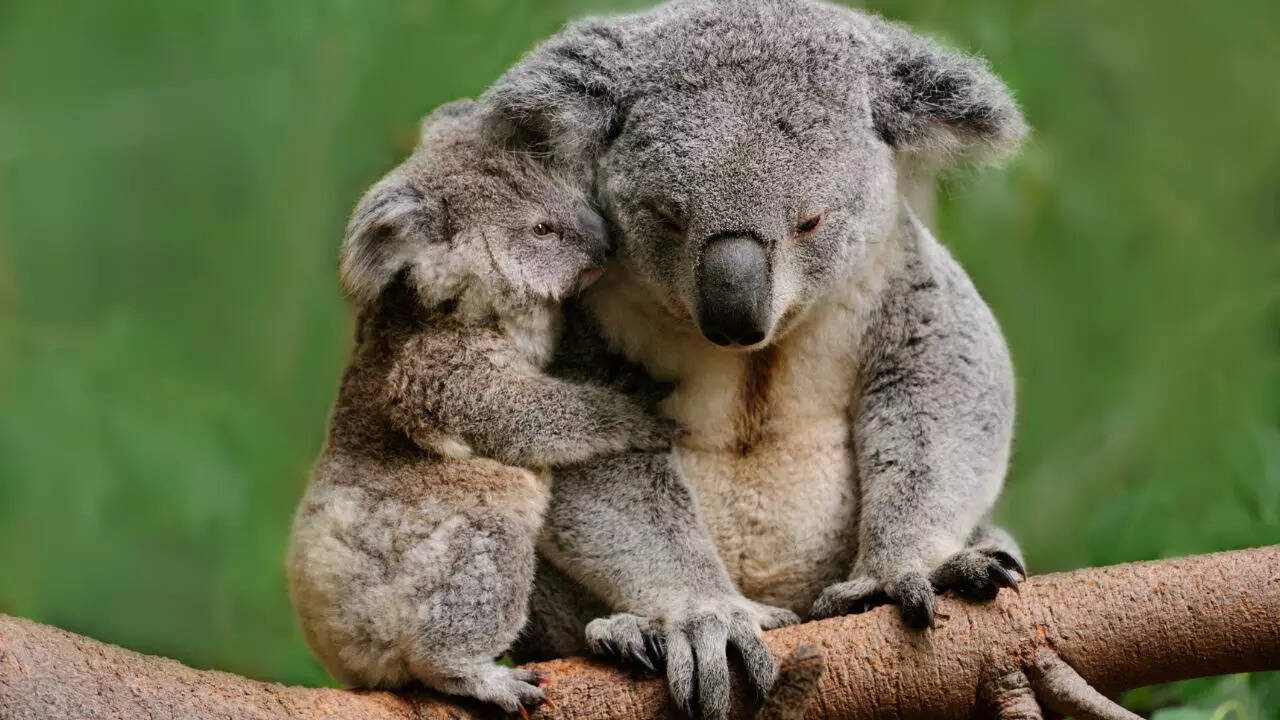
Koala populations that survived historic crashes may hold the key to genetic recovery.
Eating poison and sustaining One of the most mind-blowing things about koalas is their diet, as they eat eucalyptus leaves, which are incredibly fibrous, low in nutrients, and packed with toxic compounds that would easily kill almost any other mammal, but interestingly, this is their way to survive in the wilderness. Sound bizarre? To survive this, koalas evolved a highly specialized digestive system, including a massive organ called a caecum that houses unique bacteria to break down the poisons.
Because their food gives them so little actual energy, they have to sleep up to 20 hours a day just to conserve fuel. They aren't lazy or high on the leaves—they are just running on a permanently low battery.Built for life in the SkyInterestingly, koalas have incredibly strong thigh muscles and long, curved claws that act like spikes for climbing smooth bark. Their front paws are particularly strange and useful, featuring two opposable thumbs alongside three fingers, giving them a vice-like grip on branches.
Even their fur is engineered for survival; it is thickest on their bottoms, acting like a built-in cushion so they can sit comfortably on hard tree forks for days at a time, and it repels rainwater to keep them dry during heavy storms. The Hidden Chlamydia CrisisKoalas have to deal with things that can hurt them like birds or dingoes but the biggest problem they have inside is getting very sick with chlamydia. This is not the kind of chlamydia that people get but it is very bad, for koalas that live in the wild.
It causes them a lot of pain they go blind and they cannot have babies. The chlamydia spreads quickly through groups of koalas especially when they are very upset because they are losing their homes.Wildlife vets and scientists are working frantically on vaccines and treatments, but managing a hidden medical crisis in the middle of the bush is a massive uphill battle.The Black Summer and Changing ClimatesThe world watched in horror during the 2019-2020 "Black Summer" bushfires, which wiped out billions of Australian animals and devastated prime koala habitats.
Because koalas are slow-moving and their instinct is to climb higher into the canopy to escape danger, they are tragically defenseless against raging canopy fires.Beyond the immediate threat of fires, rising temperatures are actually changing the chemistry of eucalyptus leaves, making them less nutritious and drier, forcing koalas to climb down to the ground in search of water, where they are easily struck by cars or attacked by domestic dogs.The Uncertain Road AheadIn parts of eastern Australia, people have officially listed them as endangered. This is really sad for an animal that has been around for thousands and thousands of years. Their survival now depends on what we do. Like stopping people from cutting down trees, making safe paths for wildlife to cross highways and giving money to hospitals for animals. They have already lived through a land and bad food for millions of years, which shows they are very strong.
. Now they need our help to survive in today's world.









 English (US) ·