

 1 hour ago
3
1 hour ago
3
ARTICLE AD BOX
Last Updated:April 24, 2026, 16:13 IST
With AAP holding exactly 10 seats in the Rajya Sabha as of early 2026, the 'magic number' required to trigger the 'two-thirds' merger clause of the Anti-Defection Law was seven


The internal rift became public on April 2, when the AAP leadership abruptly removed Chadha as the deputy leader in the Rajya Sabha. File pic/PTI
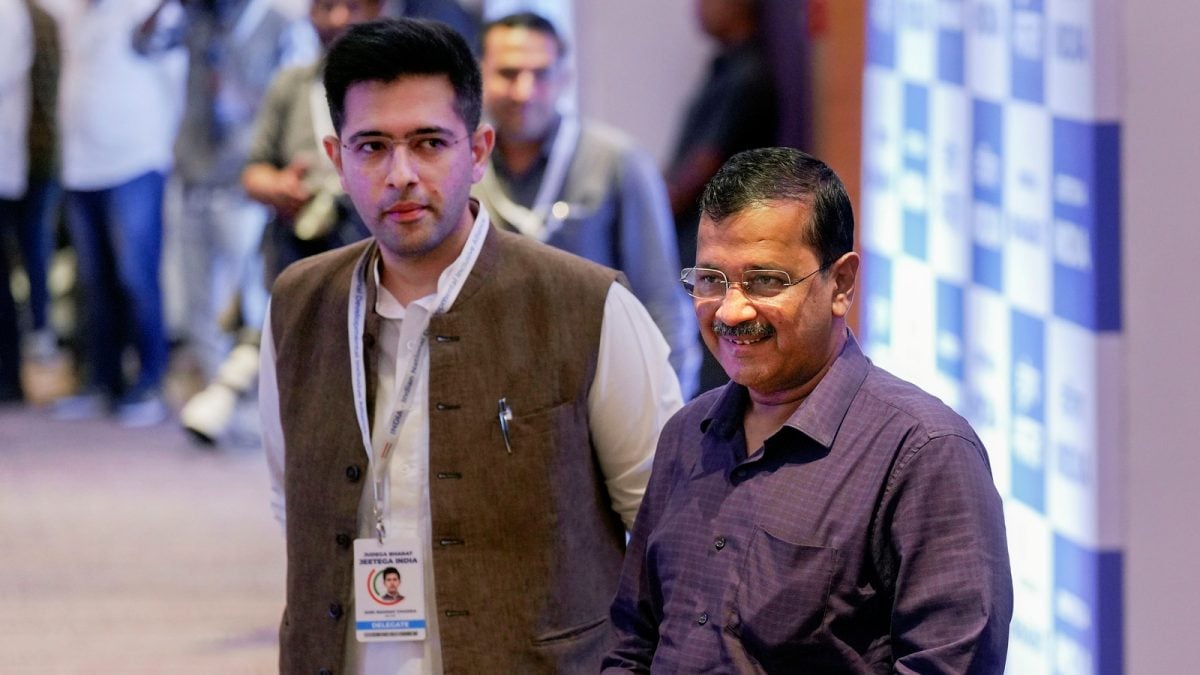
The political landscape in Delhi and Punjab shifted decisively on Friday, as Raghav Chadha, once the quintessential “poster boy" of the Aam Aadmi Party (AAP), officially resigned to join the Bharatiya Janata Party (BJP). This departure is not merely a high-profile exit; it is a calculated parliamentary manoeuvre. Chadha has said that seven out of ten AAP Rajya Sabha members are merging with the BJP, effectively invoking the “two-thirds" merger clause of the Anti-Defection Law to bypass disqualification.
How does the arithmetic of a merger work?
Under the Tenth Schedule of the Indian Constitution, individual defection—where an elected representative voluntarily gives up membership of their party to join another—usually results in the loss of their seat. However, Paragraph 4 of the schedule provides a crucial “safe harbour" for mergers. It stipulates that if at least two-thirds of the members of a legislative party (the group of elected representatives in a House) agree to merge with another political party, they are exempt from disqualification.
With AAP holding exactly 10 seats in the Rajya Sabha as of early 2026, the “magic number" required to trigger this clause was seven. By securing the consensus of six other colleagues—including heavyweights like Sandeep Pathak and Ashok Mittal—Chadha has ensured that the group can migrate to the BJP benches without losing their status as Members of Parliament. This move effectively decimates AAP’s presence in the Upper House, reducing the party from a significant regional power to a negligible force in central legislation.
Why was the timing so specific?
The timing of this merger was a masterclass in political pragmatism. The internal rift became public on April 2, when the AAP leadership abruptly removed Chadha as the deputy leader in the Rajya Sabha. While the following weeks were marked by a “coordinated campaign" of allegations from the party—accusing Chadha of ignoring Punjab’s interests—the rebel camp was quietly consolidating the numbers.
The move was delayed until today to ensure that the “two-thirds" threshold was rock-solid. Had only five or six MPs resigned earlier, they would have been vulnerable to disqualification and subsequent by-elections. By waiting until the seventh MP committed to the shift, the group ensured a “clean break". This timing also coincides with the height of the 2026 assembly election cycles, delivering a massive psychological blow to the AAP cadre just as they are facing intense electoral pressure in several states.
What does this mean for the Rajya Sabha balance?
The merger provides the BJP with a substantial boost in the Upper House, moving it closer to a functional majority that could ease the passage of controversial legislation. For AAP, the loss is existential; it has lost not just seats, but the very “architects" of its national expansion. Chadha’s exit quote—"I was the right man in the wrong party"—signals a total rejection of the “Aam Aadmi" brand in favour of the BJP’s “Nationalist" narrative.
Handpicked stories, in your inbox
A newsletter with the best of our journalism
First Published:
April 24, 2026, 16:13 IST
News explainers The Magic Of 7: How Raghav Chadha Cracked AAP’s Rajya Sabha Shield With 'Two-Thirds Switch'
Disclaimer: Comments reflect users’ views, not News18’s. Please keep discussions respectful and constructive. Abusive, defamatory, or illegal comments will be removed. News18 may disable any comment at its discretion. By posting, you agree to our Terms of Use and Privacy Policy.
Read More







 English (US) ·