

 1 hour ago
3
1 hour ago
3
ARTICLE AD BOX

On the nightstand sits a notebook with a cracked spine and uneven pages. It neither aesthetic nor curated. No one but its owner will ever read it. And yet, this small, private object holds more power than most self-help books stacked neatly on a shelf.
Journaling, often dismissed as a teenage pastime or an overly earnest wellness ritual, is, at its core, a radical act of paying attention. In a world that moves fast and forgets faster, writing things down slows time just enough for meaning to catch up. Journaling doesn’t begin with poetry or perfectly phrased reflections. It begins messily. A sentence fragment. A complaint about the weather. A list of things you wish you’d said out loud that day.
The magic isn’t in how well you write, but in the fact that you show up to the page at all. When you journal, you give your thoughts a place to land instead of letting them ricochet endlessly in your head.

Over time, patterns emerge. The same worries repeat themselves. The same joys flare up in unexpected places. You start to notice what drains you and what quietly fills you back up. Journaling becomes less about recording events and more about translating your inner life into something visible.
Seeing your thoughts written down creates distance—you can examine them, question them, even disagree with them. There is no single correct way to journal. Some people write every morning, others only when something feels too big to hold internally. You can write long, winding paragraphs or short bullet points. You can keep a gratitude list, document dreams, argue with yourself on the page, or simply describe your day in plain, unremarkable detail.
All of it counts. The page does not judge. It waits.
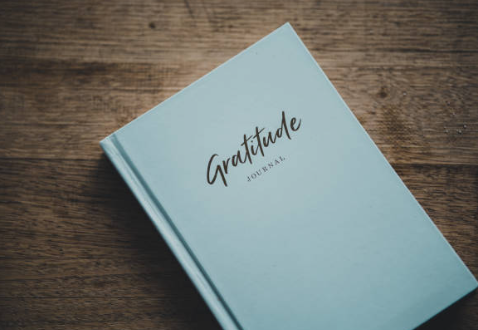
What makes journaling powerful is its honesty. Unlike social media captions or polite conversation, the journal allows for contradiction. You can be grateful and resentful in the same sentence. Confident one day, unsure the next. In writing it down, you stop trying to resolve everything immediately. You allow complexity to exist without forcing a conclusion Eventually, journaling becomes a quiet companion. It doesn’t shout solutions or demand transformation.
It simply listens. And in being listened to—truly, consistently—you begin to listen to yourself. In that space, clarity grows. Not all at once, but line by line, page by page.Start small, stay honest: You don’t need a beautiful notebook or a profound reason to begin. As a journaling newbie, the only real rule is consistency without pressure. Start with five minutes. Write about your day, your mood, or one thought that keeps returning. Don’t worry about grammar, structure, or sounding insightful—this is not for an audience. If you feel stuck, begin with “Today I noticed…” or “Right now I feel…”. Let the page be imperfect.
Journaling works when it’s honest, not impressive. Show up regularly, write freely, and trust that clarity comes later.









 English (US) ·