

 8 minutes ago
2
8 minutes ago
2
ARTICLE AD BOX
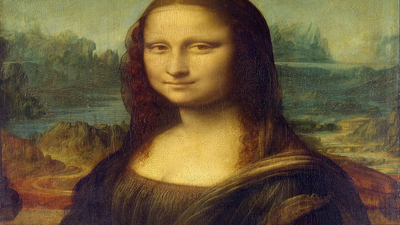
In 1911, the Louvre's Mona Lisa vanished, sparking global intrigue. Image Credit: Wikipedia
Imagine awakening to discover that your favourite meme on the web or an indie film that is moderately well-liked is now the most highly protected national heritage item in just a couple of hours.
Before TikTok patterns and algorithms for virality created global fame from thin air, a calm day in Paris just did that with an unassuming, 400-year-old painting.On the 21st of August in 1911, the Louvre was closed to the public for regular maintenance. The halls were pretty quiet except for a few employees who were still hungover, taking in the remnants of an energetic Parisian evening on a Sunday. Against the background of the silence, three people carrying heavy objects slipped from a small art supply storage space and headed for the exit.
The men appeared suspicious; however, amid the morning fog, they were not paying any attention.
The blanket they were wrapped in between their legs was a 200-pound box made of glass, wood, and iron, at 7:47 a.m. They were taking an express train to leave the city.They were walking out along with their Mona Lisa.The rise of an iconic celebrityThe nebulous part of this tale is that, in 1911, the loss of the Mona Lisa was not the devastating cultural disaster we think of it as in the present.
Leonardo da Vinci's work was an admired artefact in Renaissance art; however, it wasn't exactly a worldwide star. The painting wasn't the most sought-after painting at its gallery.Actually, the museum seemed so unaffected by the absence of its exhibits that it took 28 hours to observe the empty hooks of iron on the wall. The individual who first sounded the alarm was an angry artist who was unable to complete his work due to the fact that there was nothing to do.
If the painting was transferred to the roof of the building for photography, a standard procedure in the era of inadequate lighting in the indoor space, he dispatched security guards to inspect the work.
He returned with chilling information: photographers didn't know the location of the painting.It was an example of a classic incident of cultural obsession. In an extensive study of crimes against galleries from the past, which was published in Southern Anthropological Society Proceedings, the public's knowledge of an incident has a significant impact on the way that people interact with the artwork.
Often, it is a way of incorporating an account of the incident directly in the artefact's memories and value to the culture. The flurry of worldwide media coverage created the work's fame from the beginning. The first time in the history of art that people didn't line up in line to admire a painting but gathered in a flurry to gaze at the ghostly, empty section of wall on which the painting was originally hung.
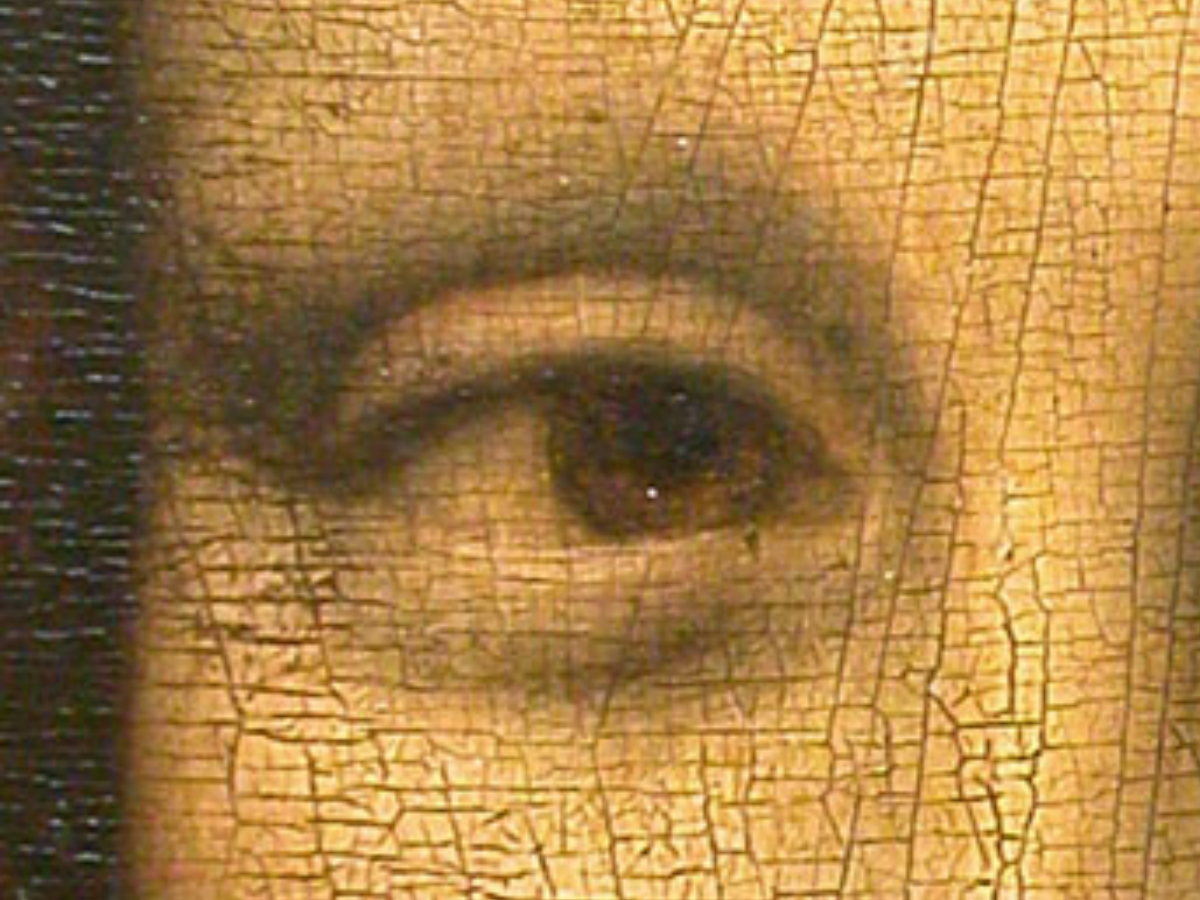
The right eye of Leonardo da Vinci's "Mona Lisa." On Aug. 21, 1911, the then-little-known painting was stolen from the wall of the Louvre in Paris. And a legend was born. Image credit: Wikipedia
The true crime story meets the geopolitical fearsBefore the advent of true crime podcasts, the theft of Mona Lisa became the world's favourite fascination.
The heist occurred in an era of tension across the globe just before World War I; the accusations varied widely depending on the person you were asking.The French populace was convinced that the wealthy American billionaires, such as the billionaire J.P. Morgan, were secretly buying up France's historical tradition. The art-world pioneer Pablo Picasso was hauled in by police officers and interrogated as a suspect.
When political tensions grew more intense throughout Europe, some speculated that the German Kaiser had orchestrated this entire scheme to humiliate the French state.As the world pointed the finger at elites from around the world, however, the true criminals had a lesser-known real-life. The main culprit is Vincenzo Perugia, an Italian handyman previously appointed by the Louvre to put up the protective glass exhibits he tore in pieces.
Perugia planned to market the work, but his success in the art market ended up destroying the idea. The theft became so popular that the painting was too popular to be sold in the market for black art.
Confronted with the heist's own fame-making crime, Perugia kept the multi-million-dollar work hidden in the fake top of a trunk made of wood within his filthy Paris house for nearly two years.A plot twist with a patriotic themeThe puzzle was finally solved after 28 months when Perugia went to Florence and tried to sell the work to an art dealer in the area.
The suspicious dealer contacted the director of an Italian art gallery in order to check that the work was authentic. An inspection of the authentic Louvre mark on the reverse verified that the painting was a genuine purchase. In less than half an hour, police officers were knocking on Perugia's doorstep.In the event of being arrested, Perugia did not act as a typical thief. He claimed to be an honest patriot and claimed that he had just returned the work to its proper home after it had been lost by Napoleon years earlier. The Italian public, at times, praised his status as a folk hero. This is akin to socio-legal notions that are the subject of a research paper by the Pepperdine Digital Commons, which explains how the history of displacement and ownership of national treasures is a major driver of nationalist sentiments about cultural property and repatriation conflicts.In the end, the Mona Lisa was returned to Paris in a huge celebration, and Perugia received a light sentence of only eight months of prison. But, at the time that the trial was wrapping up, World War I broke out all across Europe. The dramatic tragedy of a lost painting was quickly erased from headlines by the reality of war across the globe. But the harm to the culture's history was accomplished. The person who tried to conceal the work was able to make it immortal and turned a simple painting into the most renowned image on earth.








 English (US) ·