

 1 hour ago
6
1 hour ago
6
ARTICLE AD BOX
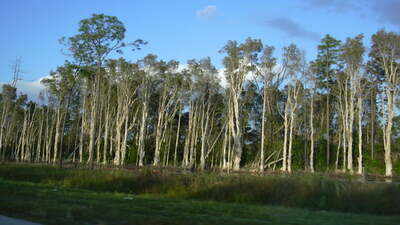
Florida's wetlands are battling an ecological crisis, with Australian melaleuca trees, introduced over a century ago to drain swamps, now dominating 400,000 acres. Image Credit: Wikimedia Commons
Human disturbance in natural ecosystems always results in some unexpected ecological changes that take many years to understand. At the beginning of the last century, the extensive wetlands found in southern Florida appeared to be an insurmountable barrier for development rather than a living ecosystem.
Trying to find a natural means to drain the wetlands for the development of agriculture and cities, the people in charge turned to nature from across the ocean, choosing a tough evergreen tree, which was well known for thriving in swampy areas.The United States imported Australian melaleuca trees in 1906 to help drain Florida's wetlands, but today experts claim they have spread on 400,000 acres of land, transforming Florida's native sawgrass marshes into an invasive forest that changes local fire and water systems. This particular invasion is examined in the scientific paper titled Invasion History of Melaleuca quinquenervia in Florida. The study uncovers the long process of development of the ornamental plant's evolution from cultivated to an infamous invasive plant of the Florida Everglades.The invasion history of a botanical takeoverBased on the analysis provided in the paper, the invasion problem can be traced back to several different introductions across the state. Even though there are records showing the importation dates going back to the late nineteenth century, the planting of 1906 allowed the plant to develop into an invasive force. The researchers studied public and private sources to understand how well the plant adapted to the environment.
It turned out that the humid and seasonally flooded environment of southern Florida resembled its native habitat.The results from the study suggest that the tree was relatively restrained in its early introduction stage, although it eventually spread at a faster rate. As the tree lacked the insects and diseases that would keep it under control back in Australia, it started to spread quickly through open areas. The tree competed against the native plants, establishing itself in dense stands that crowded out other vegetation.
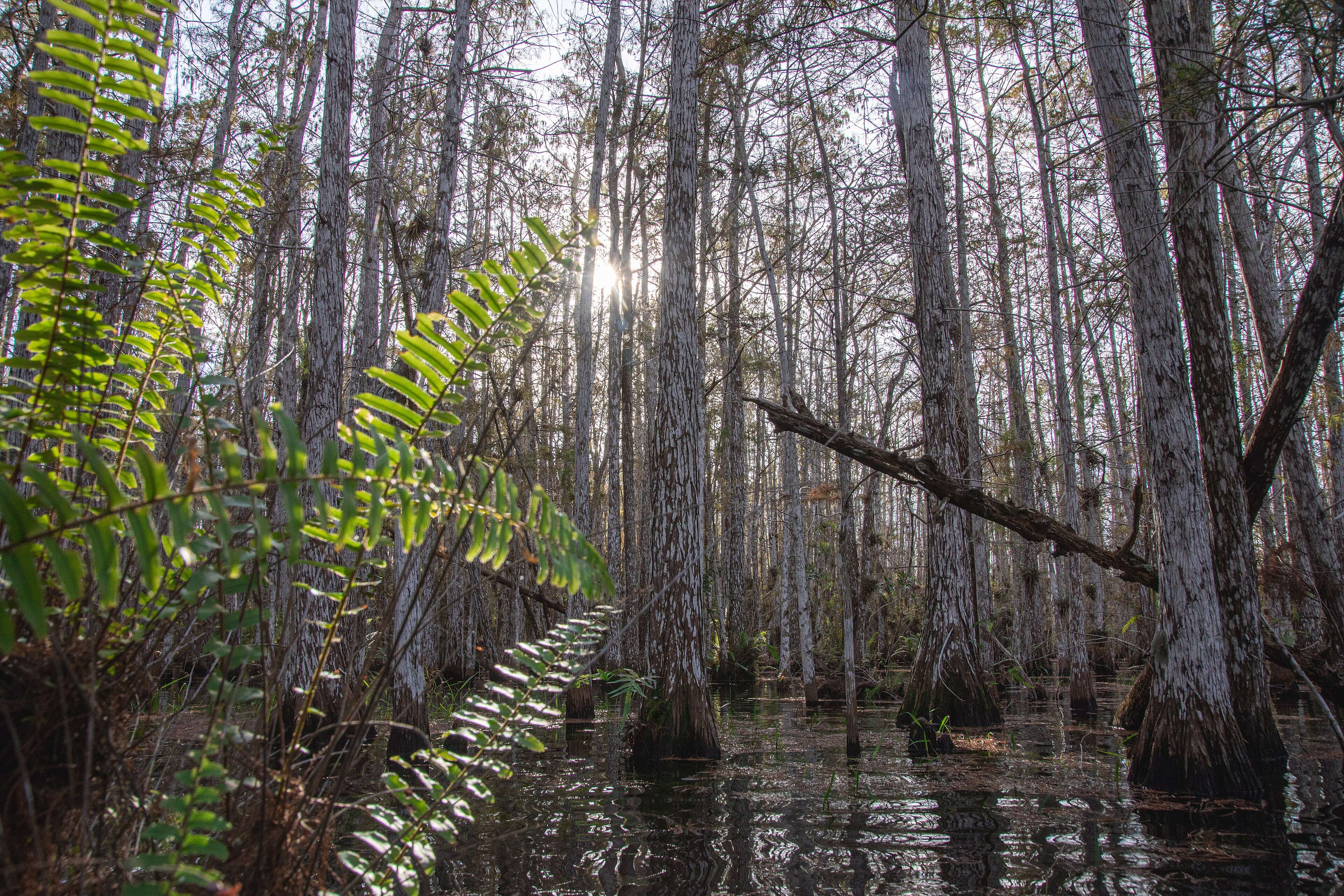
These invasive forests disrupt vital water systems and alter fire patterns, transforming native marshes. Experts highlight the immense challenge of managing this widespread infestation, emphasizing the need for coordinated efforts to reclaim the land and restore the delicate balance of the Everglades. Image Credits: Wikimedia Commons
Disrupting the natural rhythm of the gladesThe scientific investigation published in Castanea explains that the most damaging aspect of this tree's dominance is the fundamental way it rewires the surrounding environment. Unlike native sawgrass, which thrives in a balance with regular water movements, these invasive forests use large amounts of water. Their massive root networks alter the natural hydrology of the wetlands, drying out critical aquatic habitats.
Furthermore, their thick, peeling, papery bark is flammable and can contribute to more intense fires than the low ground fires the local ecosystem is adapted to survive.The data gathered by the researchers underlines the immense difficulty state and federal agencies face in managing the ongoing infestation. Any disturbance to the trees, whether from a freeze, an axe, or an intense fire, can trigger the release of many tiny seeds from their canopy capsules into the wind. The Castanea study emphasises that reclaiming these lost acres requires a highly coordinated approach combining targeted treatments and biological control methods.
This ongoing environmental challenge shows how shifting the natural balance of a wetland can create ecological changes that are difficult to reverse.









 English (US) ·