

 1 hour ago
3
1 hour ago
3
ARTICLE AD BOX
Last Updated:February 06, 2026, 17:39 IST
Centuries later, the journey of Chanakya and Chandragupta remains one of the most enduring and inspiring chapters in the subcontinent's historical narrative
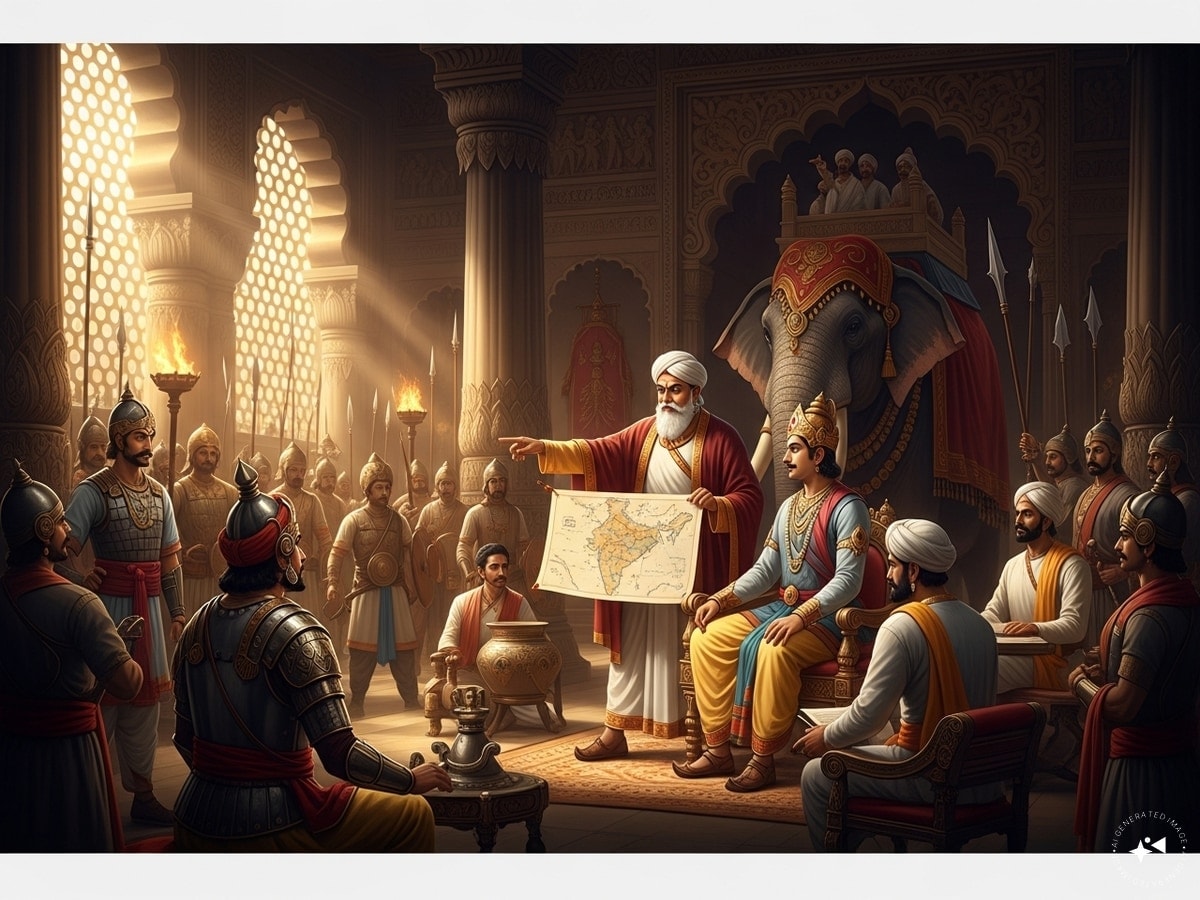
In 323 BC, following the death of Alexander the Great, the Indian subcontinent entered a period of uncertainty and transition. The northwestern frontiers were left unsettled after the retreat of Greek forces, which, despite their departure, left behind political instability and fragmented authority. In the east, the powerful Nanda dynasty ruled Magadh under King Dhanananda. His regime, marked by harsh taxation and unpopular policies, had created widespread resentment among the people. Court intrigues were common, and ordinary citizens lived amid fear and injustice. It was a time that seemed poised for a dramatic change that would reshape the course of history. (News18 Hindi)
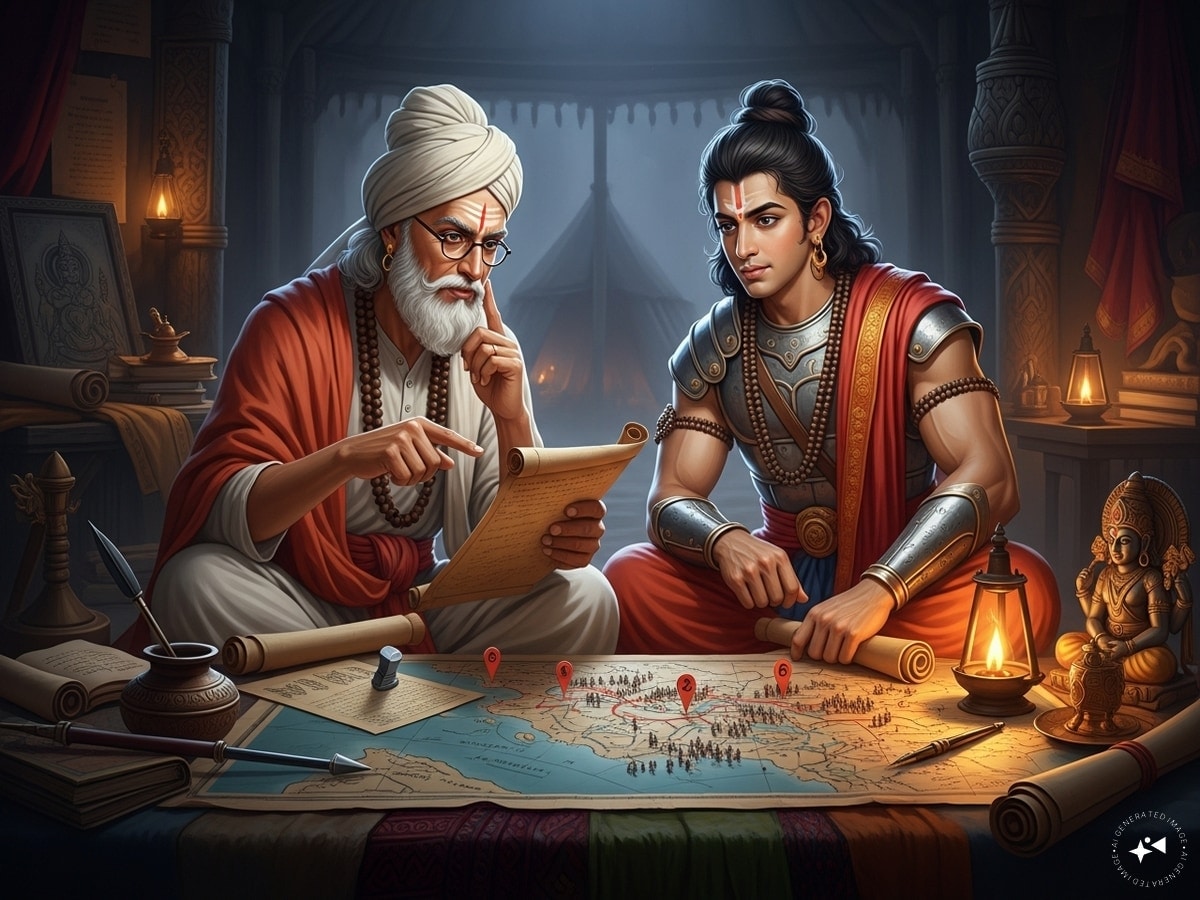
Amid this backdrop emerged Chanakya, a learned Brahmin scholar from Takshashila, renowned for his deep understanding of politics, economics and statecraft. Historical accounts suggest that during a visit to the court of Magadh, Chanakya was insulted by King Dhanananda. Some traditional texts even claim that he was publicly humiliated, with his hair tuft disrespected. Deeply angered, Chanakya is said to have vowed not to tie his hair until the Nanda dynasty was overthrown. The vow, historians note, symbolised not merely personal revenge but a larger resolve to challenge injustice and transform the political order. (News18 Hindi)
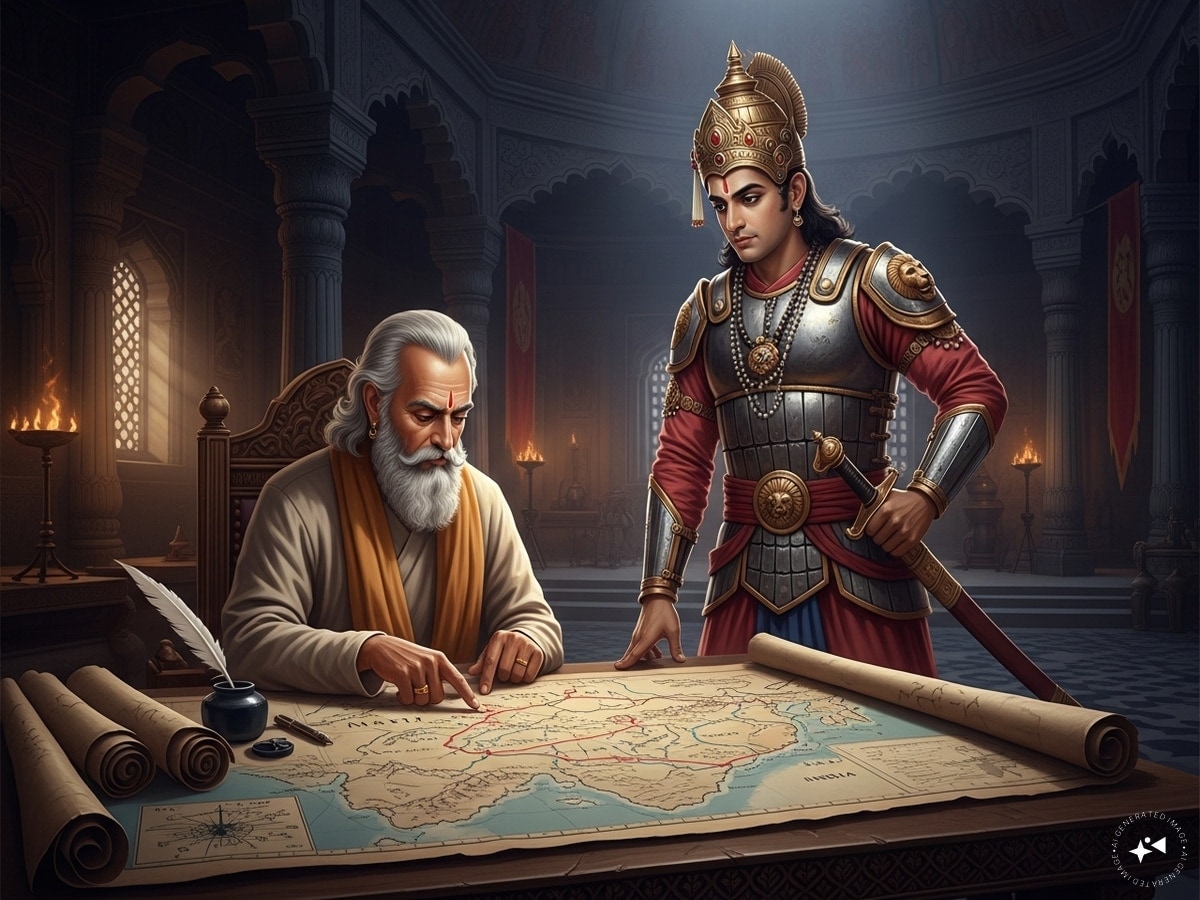
Determined to fulfil this mission, Chanakya began searching for a capable young leader. According to historical and literary sources, he found such promise in a boy named Chandragupta near Takshashila. The child, seen leading a group of village boys in play, displayed natural leadership, decisiveness and confidence. Jain texts such as 'Parishishtaparvan' and accounts by the Greek writer Justin suggest that Chandragupta came from humble beginnings. Recognising his potential, Chanakya took the boy under his guidance, marking the beginning of one of history's most remarkable teacher-student partnerships. (News18 Hindi)
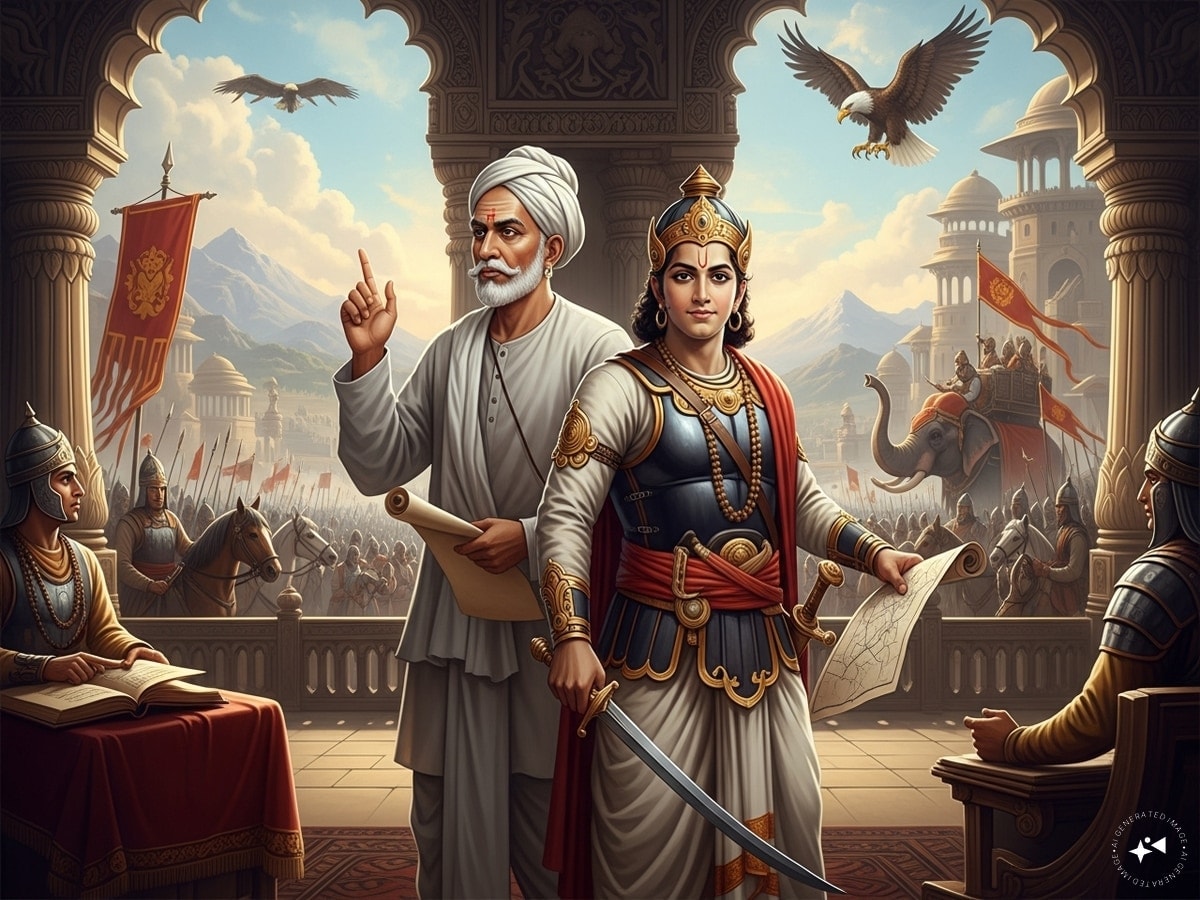
At Takshashila, Chandragupta underwent rigorous training. Under Chanakya's supervision, he studied warfare, administration, economics and political strategy. The principles of governance and diplomacy later outlined in Chanakya's treatise 'Arthashastra' are believed to have shaped this training. A popular anecdote from traditional narratives recounts how Chandragupta once overheard a woman advising her child to eat hot kheer from the edges rather than the centre. The simple observation was interpreted as a lesson in strategy, to secure the outer regions before attacking the heart of an empire. This idea would later influence Chandragupta’s military approach. (News18 Hindi)
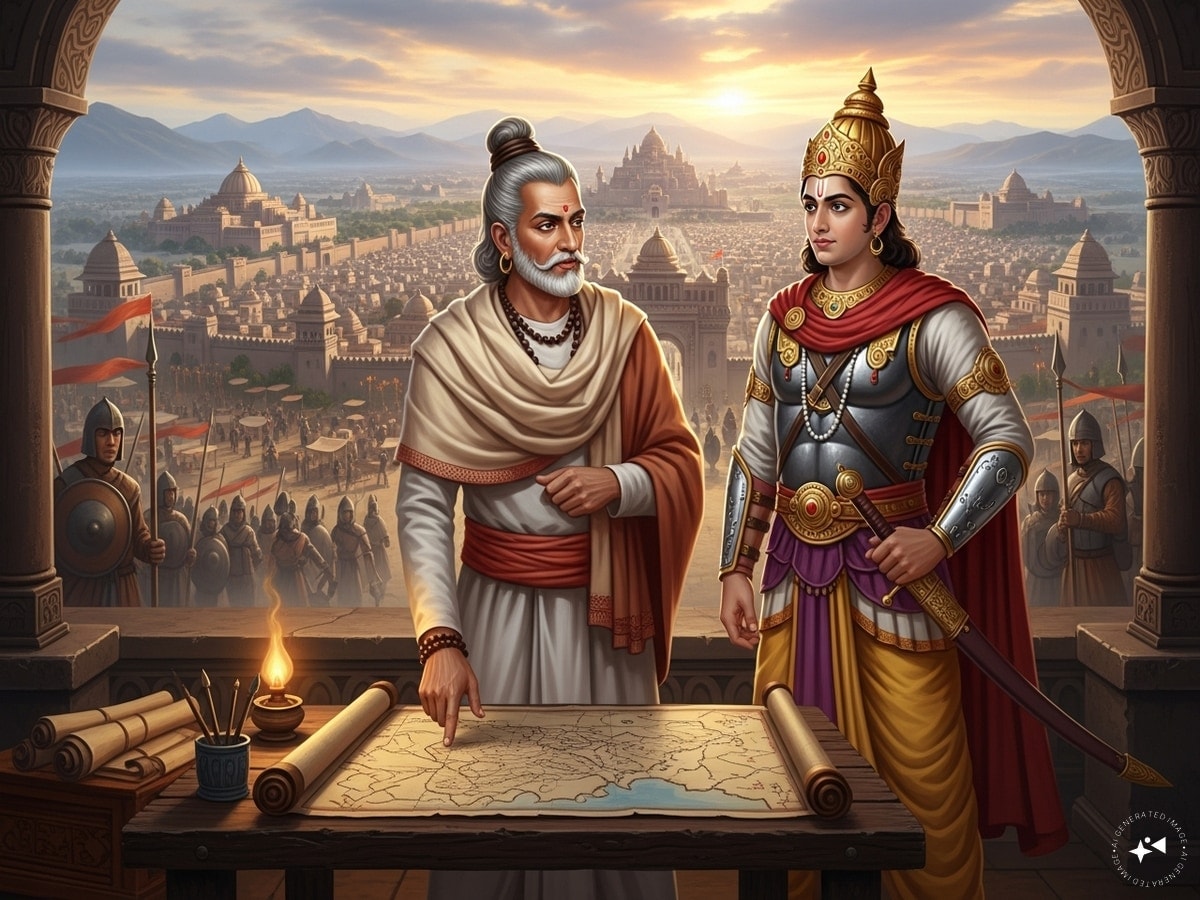
Around 322 BC, Chandragupta began his campaign in the northwestern regions, targeting the Greek governors who had been left in control after Alexander's withdrawal. He is believed to have united local tribes and disaffected soldiers, employing guerrilla tactics to weaken foreign authority. Greek chroniclers such as Megasthenes and Justin have referred to these struggles, which gradually strengthened Chandragupta's position. With growing support from the people and a disciplined force at his command, he turned his focus towards Magadh, where the Nanda army remained formidable but increasingly unpopular. (News18 Hindi)
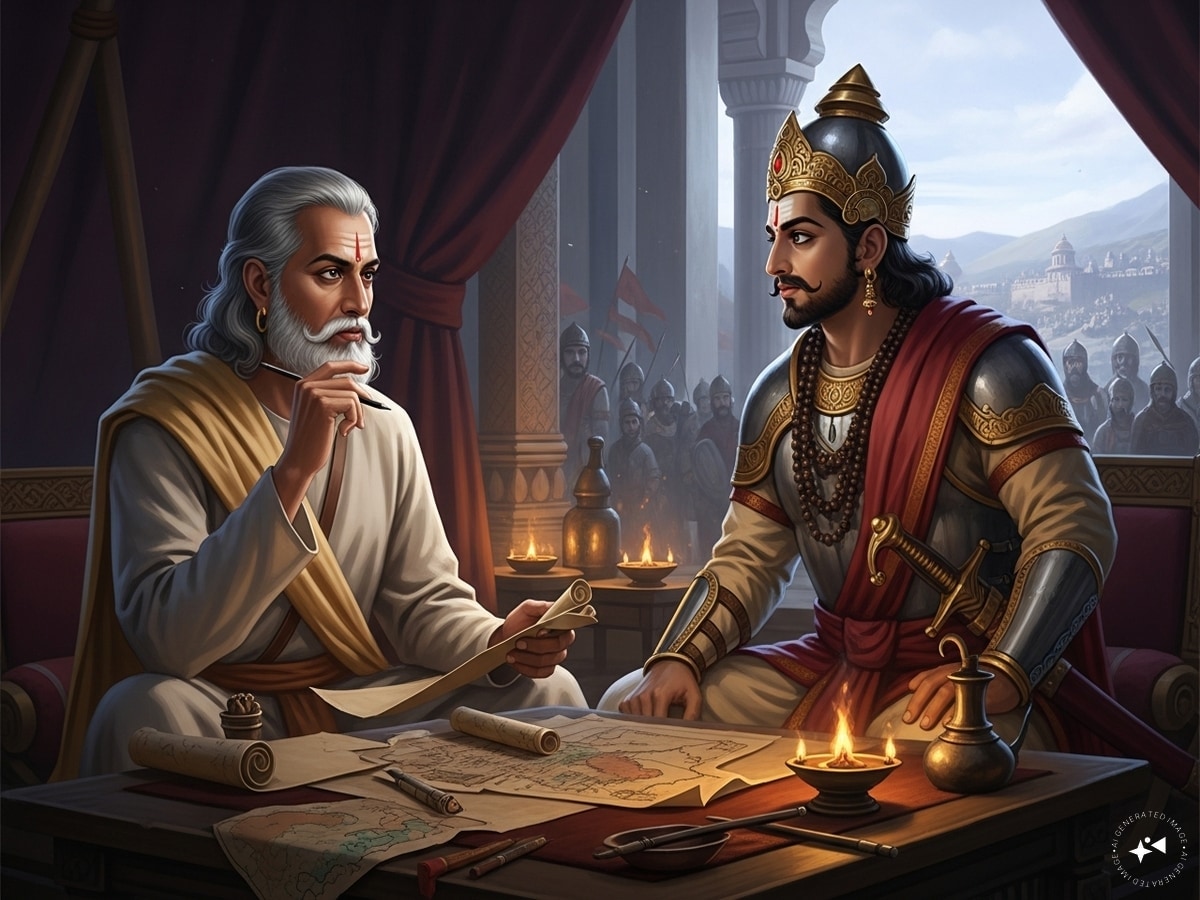
The dramatic overthrow of the Nanda rule finds mention in Vishakhadatta's Sanskrit play 'Mudrarakshasa', which describes Chanakya's use of political intrigue and strategy to destabilise the Magadh court. According to these accounts, he forged alliances, sowed divisions and weakened the loyalty of key officials to Dhanananda. Eventually, the Nanda king's power crumbled. Around 321 BC, Chandragupta ascended the throne of Magadh, at a young age estimated to be between 21 and 25, marking the foundation of the Maurya dynasty. The moment is widely seen as a decisive turning point in ancient history. (News18 Hindi)
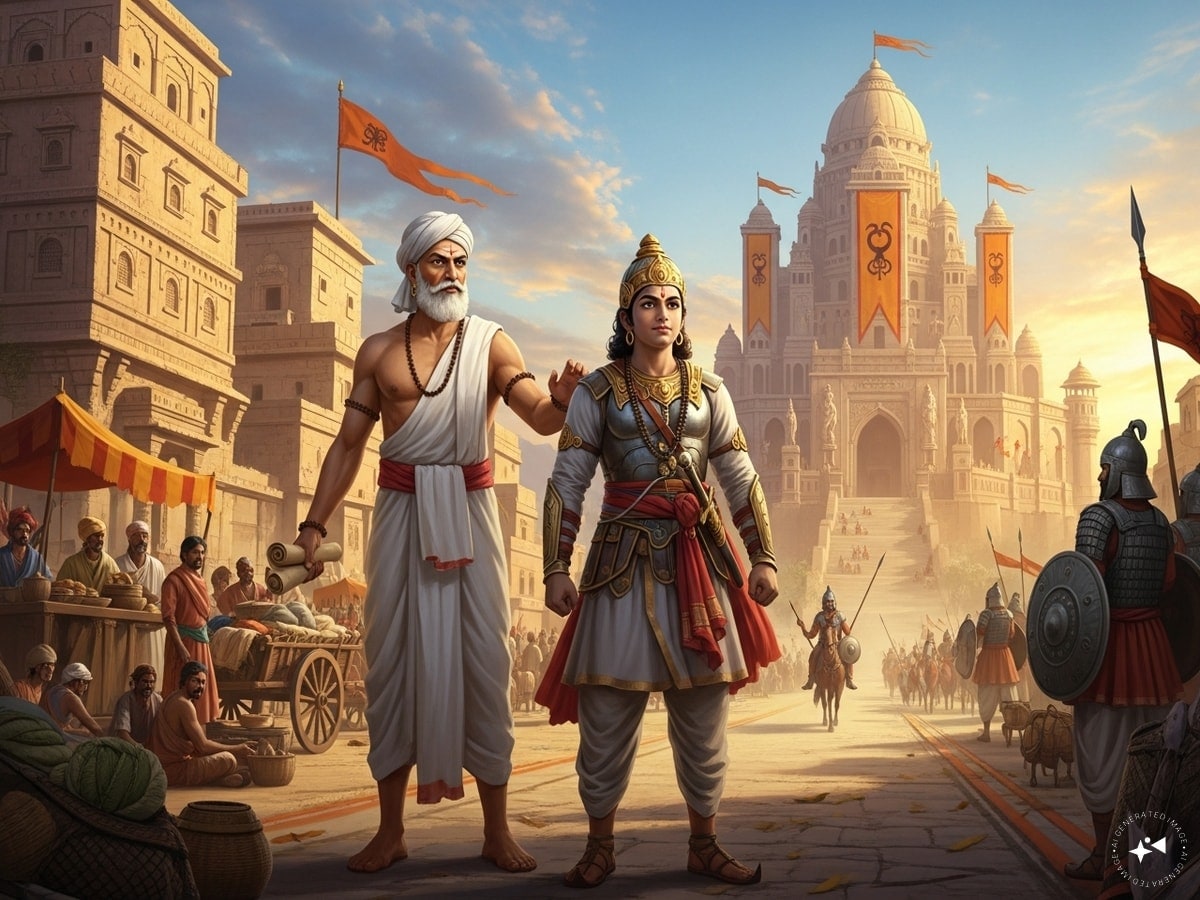
Following his coronation, Chandragupta expanded his empire rapidly. In 305 BC, he confronted Seleucus Nicator, one of Alexander's successors, and emerged victorious. The Mauryan Empire subsequently extended to regions up to present-day Afghanistan. Greek records note that a treaty was concluded between the two rulers, accompanied by diplomatic exchanges and possible marriage alliances. During this period, Chanakya served as prime minister, strengthening administrative systems and shaping governance. His 'Arthashastra' laid down principles of statecraft and administration that continue to be studied as a foundational political text. (News18 Hindi)
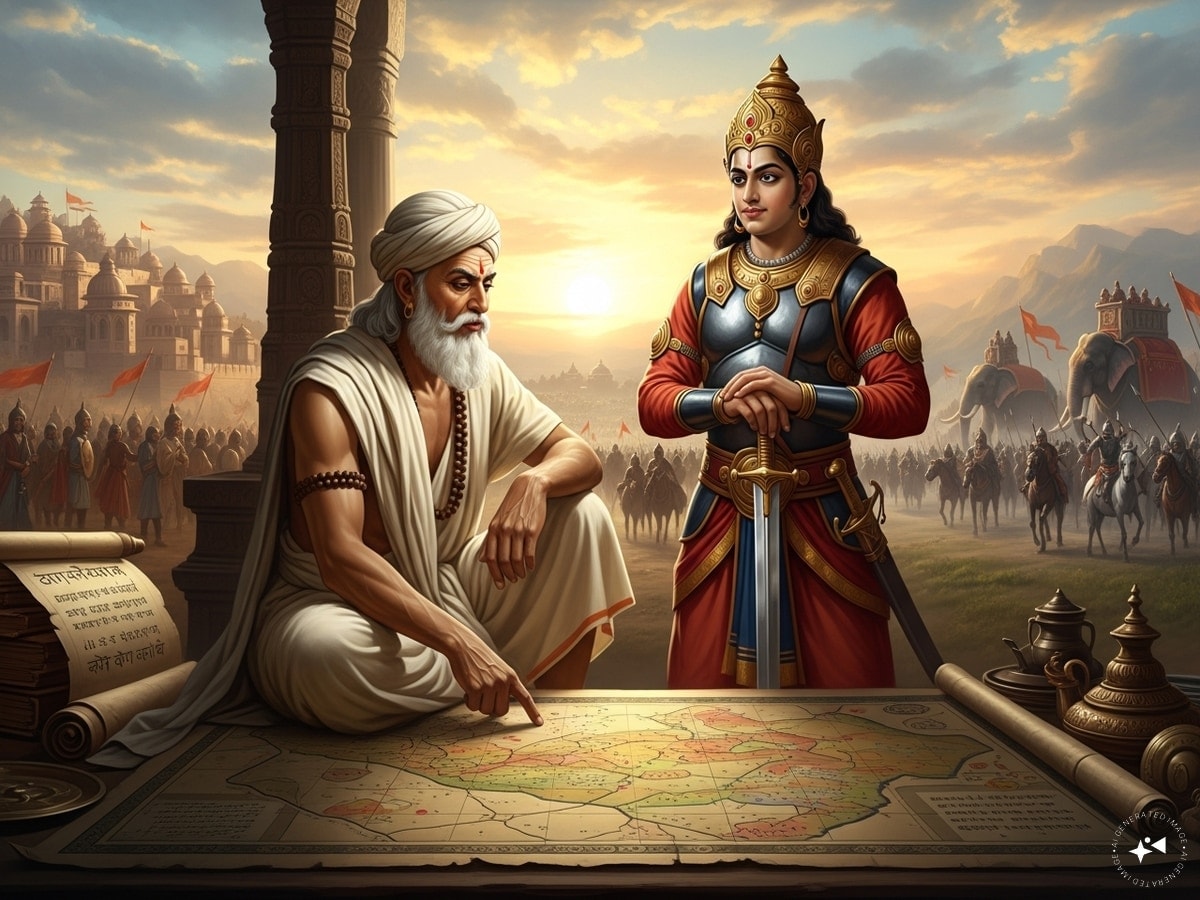
In the final phase of his life, Chandragupta is believed to have renounced power and embraced Jainism. Jain and Buddhist traditions state that he retired to Shravanabelagola, where he adopted a life of asceticism and eventually fasted unto death. His life story, shaped by a teacher's resolve and a young leader's ambition, led to the creation of India's first great empire. (News18 Hindi)
News Photogallery india The Vow That Changed History: How Chanakya And A Village Boy Built The Maurya Empire








 English (US) ·