

 7 hours ago
4
7 hours ago
4
ARTICLE AD BOX
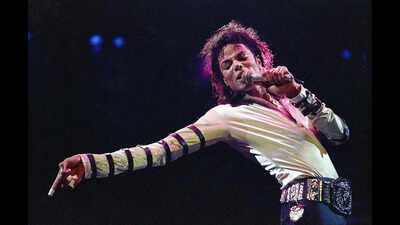
Gen Z, after the release of the biopic, Michael, cannot have enough of him.
There’s a scene in the movie, Michael, where a music mogul tells Michael Jackson after the success of his best-selling album, Thriller, that he is the greatest Black pop star there ever will be. Jaafar Jackson, who portrays Michael Jackson, quitely looks at him and says in a calm voice.
“I don’t want to be the greatest Black musician. I want to be the greatest musician of all time. Everywhere in the world.” There may be some paraphrasing here, but you get the point. In our algorithmic 21st century, being viral and famous has lost its sheen. What makes Michael Jackson stand apart is that all of his worldwide fame was achieved before the digital age. For any generation, this is a study in marketing, raw and pure talent, socio-cultural zeitgeist and the power of Michael Jackson.
He died in 2009, aged 50. And Gen Z after the release of the biopic, cannot have enough of him.Why?
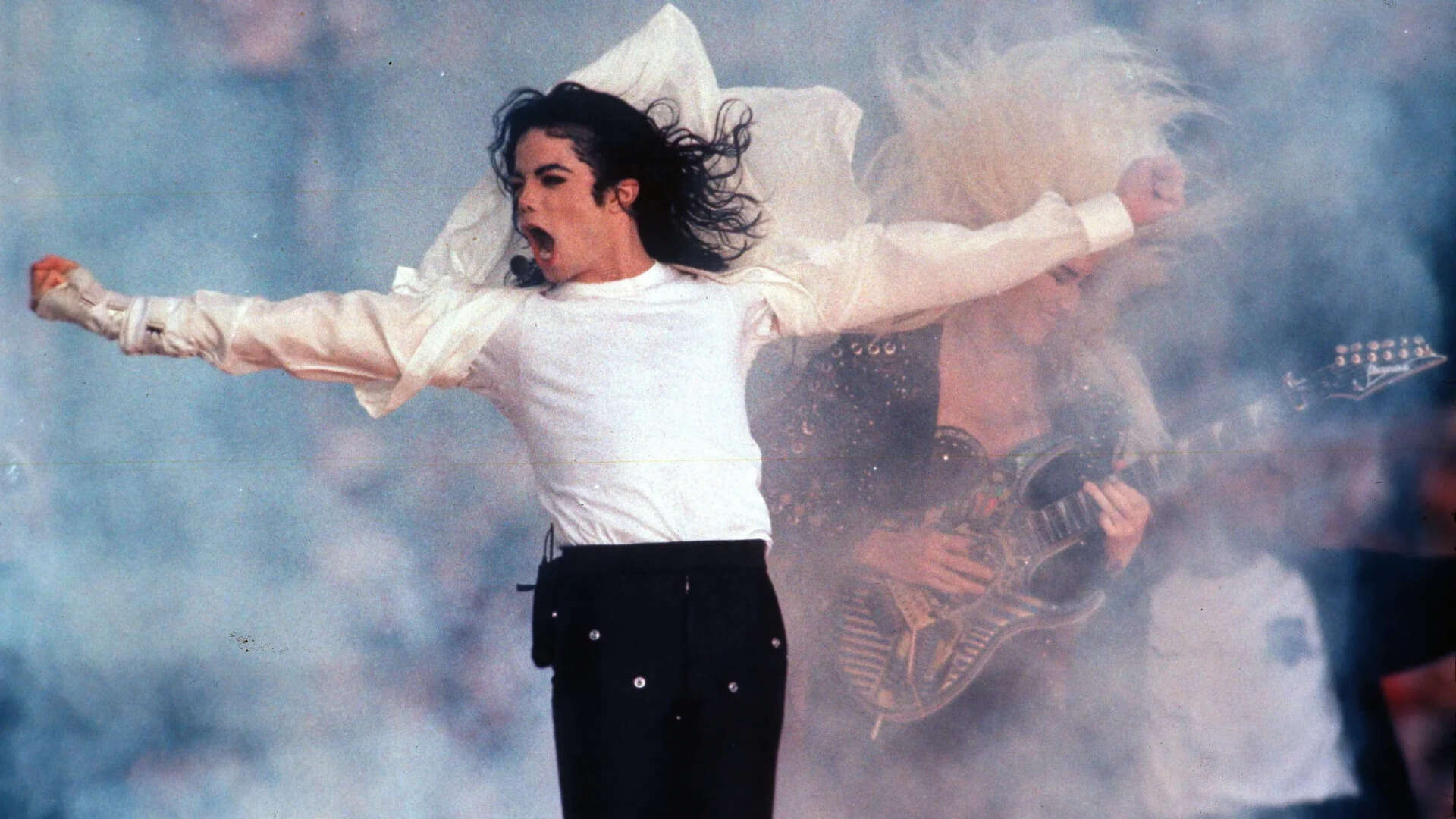
Gen Z, and now Gen Alpha, are a different breed. Famous for their “Okay, Boomer” retort, these generations are not exactly known for worshipping icons from before their time. Their culture moves at algorithmic speed. Trends die in 48 hours. Songs become viral sounds before they become memories. Attention spans are measured in scrolls. Yet, somehow, Michael Jackson happened to them.
After the release of the biopic, it’s like Michael Jackson has decided to rise from the dead, after 17 years, to top music and movie charts worldwide. Again. The sheer statistics is staggering – almost absurd; but on to that later. For Gen X, Millennials, maybe even Boomers, this may not have come as a surprise. After all, they have seen Michael Mania in real time.
They understand its power. But a lot changed drastically in their times.
From complete or semi-analogue times (read cassettes, walkman vinyls), they embraced a fully digital life (Spotify, Apple Music, YouTube), social media, streaming, and now AI. There was also a pandemic in between, and a war-torn world no one really expected within a quarter into this century. They haven’t forgotten the phenomenon called Michael Jackson.
It just got relegated somewhere at the back of their minds. Till now.But Gen Z, and now Gen Alpha, are a different breed though. Famous for their “Okay, Boomer” retort, these generations are not exactly known for worshipping icons from before their time. Their culture moves at algorithmic speed. Trends die in 48 hours. Songs become viral sounds before they become memories. Attention spans are measured in scrolls. Yet, somehow, Michael Jackson happened to them.Again, why?
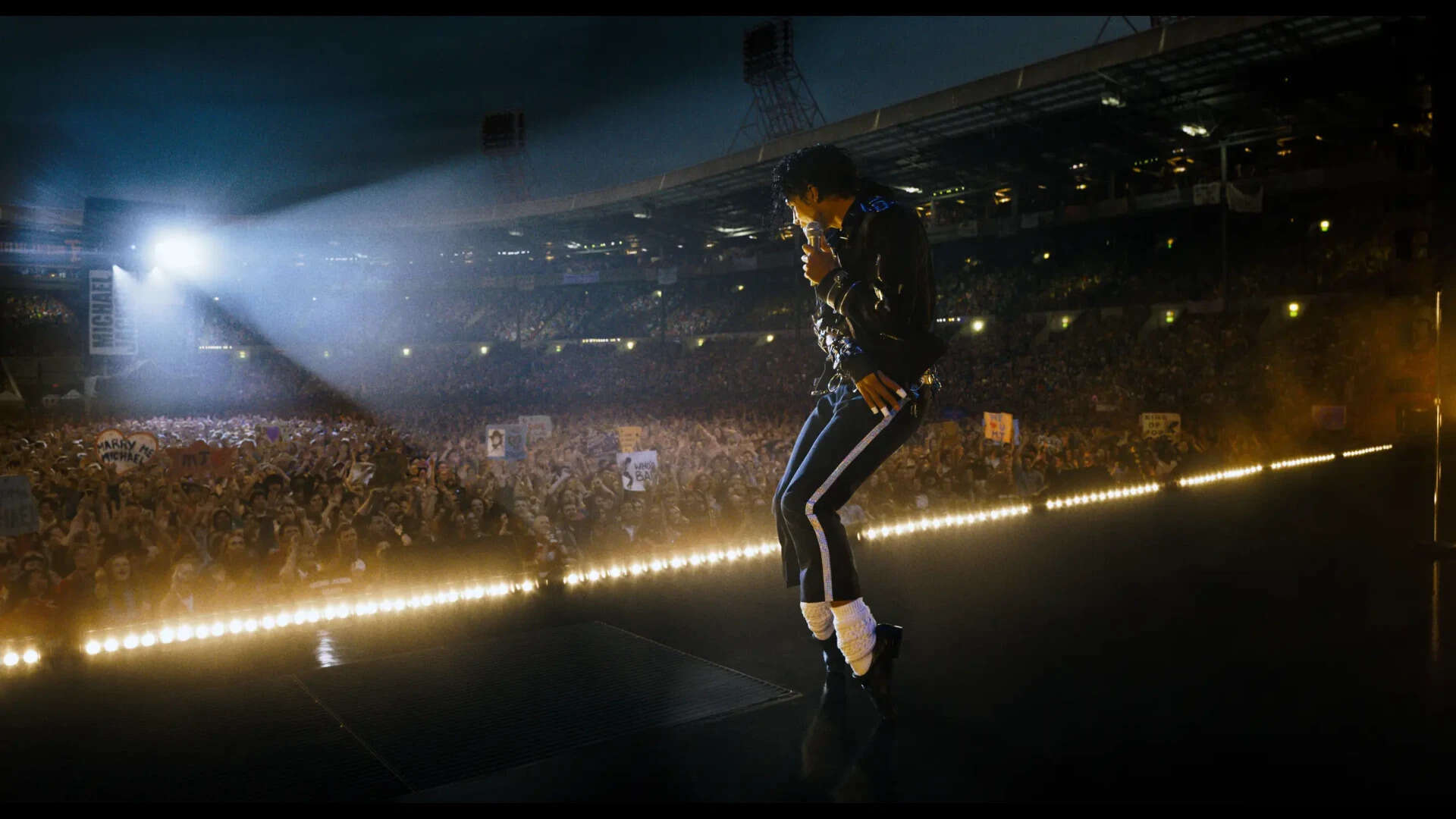
The King of Pop, as MJ was called, died in 2009. Which means he has not toured in two decades. He has not posted on social media. That was before his time. He has not done podcasts, livestreams, influencer collaborations, or online feuds either. In fact, he has done none of the things modern celebrity culture insists are necessary to stay relevant. And yet, in 2026, he is arguably the most culturally dominant pop star on the planet again. (A scene from the movie, Michael)
Let's decode. For Gen Z, MJ was not exactly a nostalgic relic, or a retro meme that they seem to love so much now. This isn’t even the case of a “classic artiste your parents liked.” Michael Jackson is a living cultural force right now. Back from the dead, exactly as he promised in his iconic 14-minute 'Thriller' music video that premiered on MTV on December 2, 1983.Even Boomers and Gen X are rediscovering him. In a dark cinema hall, as Michael played, there was a mom, who came with her children. A 13-ish girl and a 15-ish boy.
The girl told her mom to sit in between before the movie started for context. By the end of the movie, they were all spellbound.
But Gen Z and Gen Alpha are not rediscovering him. They have been obsessing over him since April 2024, when the movie was released. They are moonwalking into MJ. They are recreating him and streaming him like he dropped an album yesterday. The resurrection is global.Now, on to some mindboggling numbers…
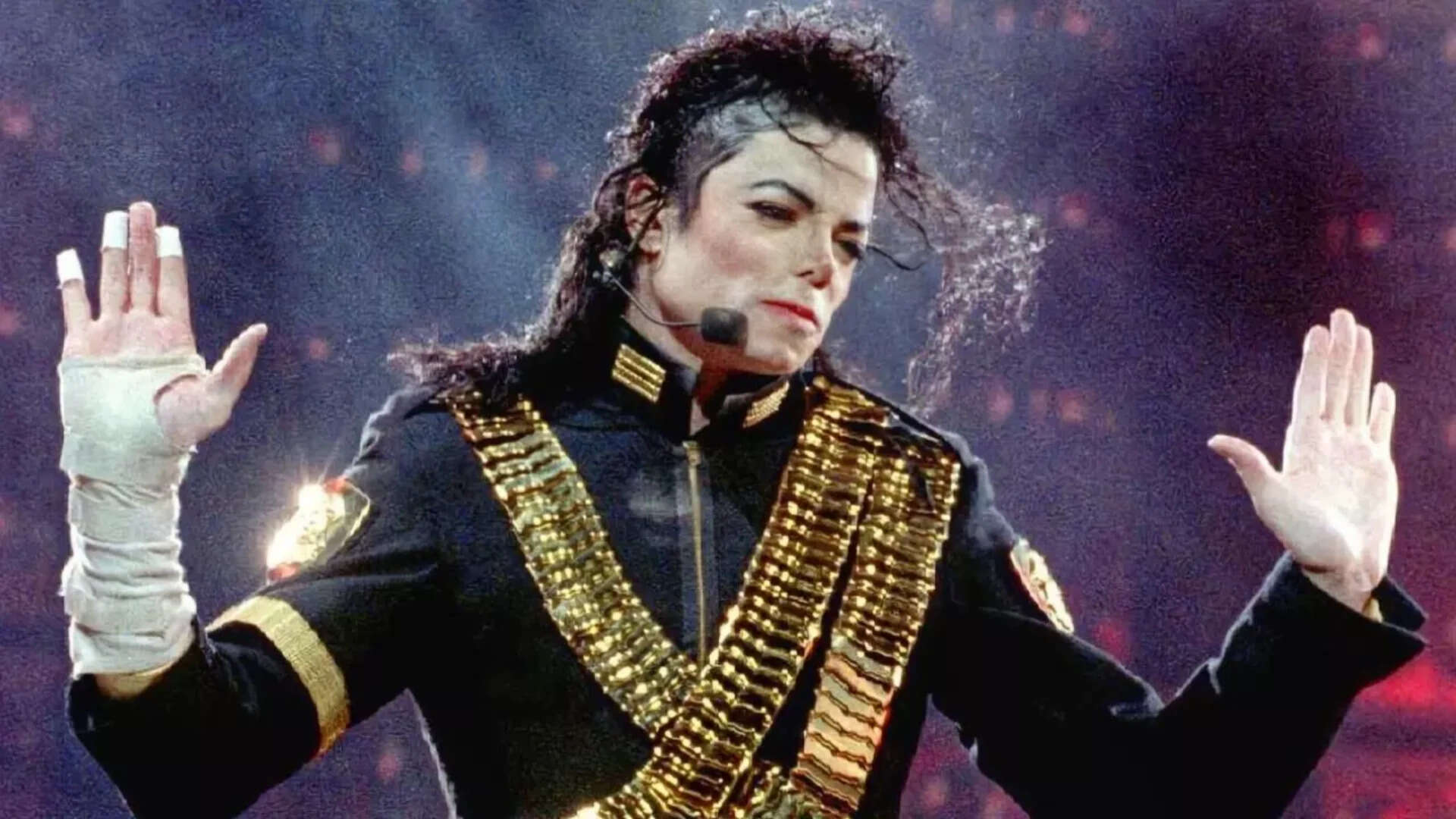
It's like Michael Jackson has risen from the grave to say: "That's all. folks, that's my achievement. It was all done before the algorithmic world you live in. Now, top that!"
Right now, Michael Jackson is…
- Global #1 Artist: Reached #1 on Spotify’s 'Daily Top Artists Global' chart for the first time in history.
- Historic streaming peaks: Achieved his biggest solo streaming week ever in the US with over 137 million on-demand streams, surpassing contemporary artists like Taylor Swift and Justin Bieber on global rankings.
- 'Billie Jean' broke history again: Decades after release, the song jumped to #1 on the Billboard Global 200 chart, becoming the oldest solo catalog song ever to top the chart.
- The Essential Michael Jackson exploded again: The compilation album shot from #12 to #1 on the Official UK Albums Streaming Chart for the first time in his career.
- UK dance chart domination: 'They don’t care about us' hit #10 while 'Earth Song' debuted at #35 on the Official Dance Singles chart in 2026.
- Simultaneous Hot 100 invasion: 'Billie Jean,' 'Human Nature,' 'Beat It,' and 'Don’t Stop ’Til You Get Enough' all re-entered the US Hot 100 at the same time.
- The biopic Michael became a phenomenon: The film grossed over $217 million globally in its opening weekend, becoming the highest-grossing biopic opening ever.
- The movie crossed $700 million globally in four weeks: It is now challenging the all-time music biopic record previously held by Bohemian Rhapsody.
- A rare box office comeback: Michael returned to #1 at the US box office four weeks after release, overtaking newer blockbusters.
- Billboard Artist 100 domination: On May 19, 2026, Michael Jackson became the #1 artist in America across all genres for the first time ever on the Billboard Artist 100.
Poof!There are record breakers. And then there is Michael Jackson.
In 2026, where Spotify, Apple Music, TikTok, and YouTube produce a new “biggest artist in the world” every other week, you would think younger audiences would be impossible to shock. But they are all busy moonwalking into the unstoppable juggernaut that was Michael Jackson in his prime – the 1980s and the 1990s.The King of Pop, as MJ was called, died in 17 years ago. Which means he has not toured in two decades. He has not posted on social media.
That was before his time. He has not done podcasts, livestreams, influencer collaborations, or online feuds either. In fact, he has done none of the things modern celebrity culture insists are necessary to stay relevant. And yet, in 2026, he is arguably the most culturally dominant pop star on the planet again.
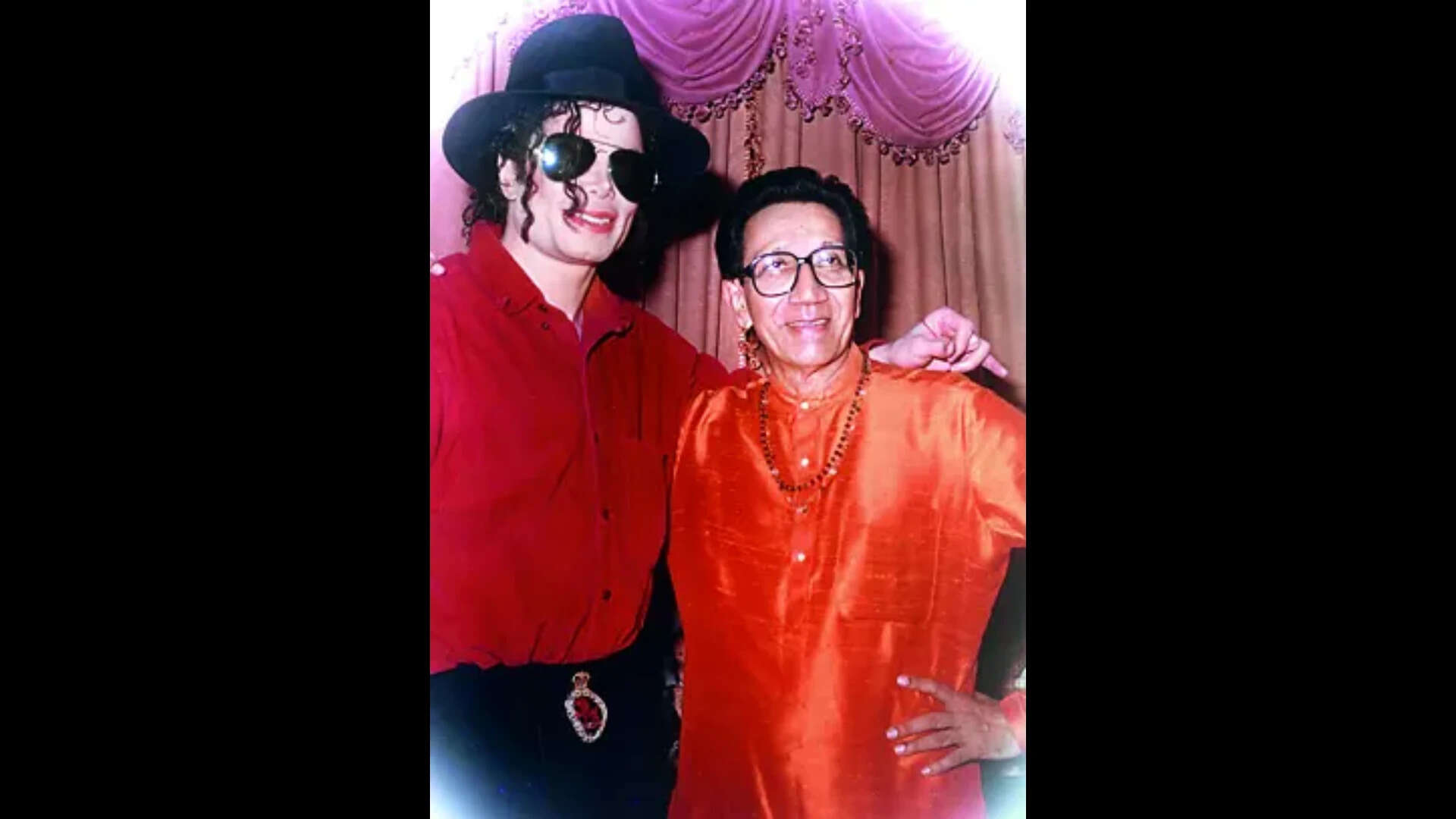
Michael Jackson’s historic 1996 visit to Mumbai marked his only concert in India, held on November 1, 1996, at the Andheri Sports Complex as part of the HIStory World Tour. A major highlight of the trip was a highly-publicized meeting with the late Shiv Sena leader Balasaheb Thackeray at his residence, Matoshree.
The superlatives are almost exhausting to list. They are also, frankly, a little absurd. But absurd in the best possible way.
Because they point to something genuinely interesting happening in culture right now: an entire generation that grew up after Michael Jackson's death has decided, collectively and without any corporate mandate, that he is their artist too.
Gen Z did not inherit Michael Jackson. They discovered him.
Millennials inherited Michael Jackson through television, radio, VHS tapes. Or, through parents blasting 'Beat It' in the car. Gen Z discovered him the way they discover everything else: through algorithms.
A teenager somewhere clicked on the 'Thriller' video on YouTube. Another stumbled into a 'Smooth Criminal' edit on TikTok. Someone heard 'Billie Jean' in a basketball montage. Someone else watched a side-by-side comparison of Michael Jackson choreography versus modern performers and suddenly realised the gap.
That’s how the rabbit hole was dug. That is how Michael Jackson entered Gen Z culture: not through nostalgia, but through comparison.
And comparison is exactly where he becomes almost untouchable. Right now, on the same charts where Taylor Swift and Sabrina Carpenter and Kendrick Lamar compete for your ears and your streams, Michael Jackson is sitting pretty at the top of the Billboard Artist 100 for the first time in history.It would be easy, and quite lazy, to explain The Gen Z craze for MJ as simple nostalgia tourism. We have seen this before. Gen Z mining the past for aesthetic material.
The whole 1990s revival is a result of that. So is the Y2K aesthetic or the return of low-rise jeans. All of this has been written about at length. But Jackson's resurgence is nothing like that. It’s not aesthetic borrowing. It’s not even nostalgic craving in an algorithmic world.
This is genuine hunger. Hunger for talent. Hunger for artistic authenticity; something the younger generation—even if addicted to algo-driven short reels—is keenly aware is missing from their lives.The conversation on social media around Jackson is remarkably consistent in what it identifies. Gen Z fans talk about him as the ultimate "triple threat": a singer of exceptional range and technical ability, a dancer of almost impossible physical precision, and a performer of total, consuming commitment. They contrast this with the current landscape of pop, where vocal processing is standard, live performances are often heavily backed by pre-recorded elements, and the path to stardom frequently runs through social media virality rather than years of gruelling craft.
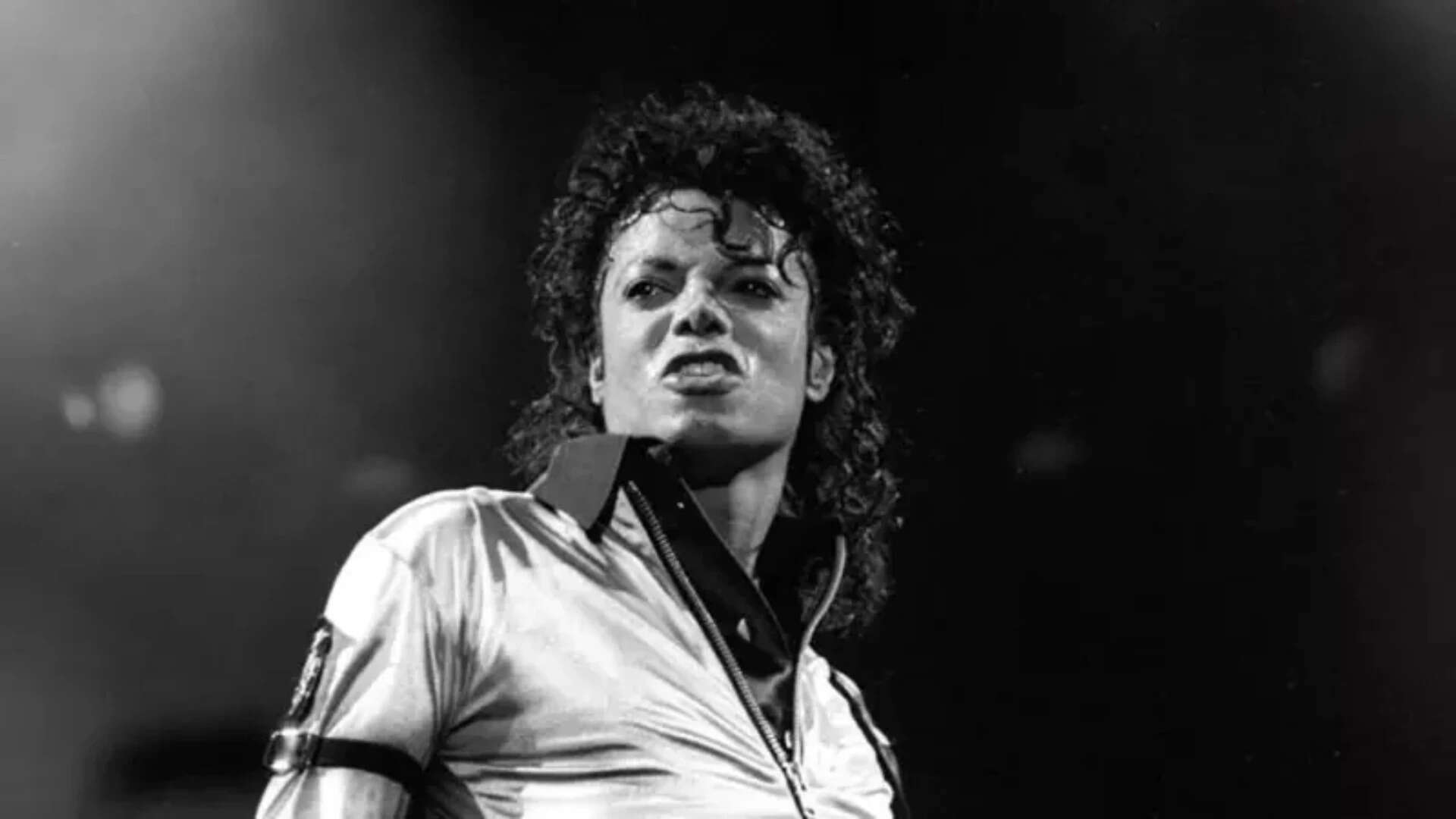
The conversation on social media around Jackson is remarkably consistent in what it identifies. Gen Z fans talk about him as the ultimate "triple threat": a singer of exceptional range and technical ability, a dancer of almost impossible physical precision, and a performer of total, consuming commitment.
How Michael Jackson broke television’s racial wall in the 1980s
To understand why younger audiences find him so overwhelming, you have to understand what Michael Jackson actually changed in his time. Before Michael Jackson (fondly called MJ), MTV had a race problem. When the channel launched in 1981, it overwhelmingly played white rock artists. Black musicians, especially Black pop artists, were largely excluded from mainstream video rotation. MTV executives insisted it was a “rock channel,” but critics and artists openly called out the racial barrier.Then came 'Thriller.' Then came 'Billie Jean.' Then came Michael Jackson forcing the entire industry to change. Once MTV finally aired 'Billie Jean,' everything changed overnight. Ratings exploded. Viewership surged. Michael Jackson became unavoidable. He fought that fight alone. First, for himself. Then the doors opened for every other Black musician we have seen since then. After Jackson, Black artists were no longer treated as side categories.
The doors opened wider for artists like Prince, Whitney Houston, Janet Jackson, Lionel Richie, and eventually generations of Black global pop stars after them.MJ democratized visibility in 1983 when record companies were still selling vinyls. The time may seem ancient. But not the audacity of his ambition. That is a quality Gen Z is quite familiar with. They were raised by a generation of confident people; and have grown up as a generation that is challenging old norms of society in every sphere of life – relationships to work-life balance.
It’s possibly the reason why the idea of Michael Jackson has exploded exponentially all over the world.
He was the rule-breaker at a time when breaking rules had consequences. But MJ didn’t care. Because he understood the world, and wrote and sang “all I wanna say is that they don’t really care about us”. It resonates. At any point in time.For Gen Z, fed up with an apathetic world, where everything seems staged, broken, almost fraudulent, sheer talent of a musician who rose through the ranks, music charts, poverty and racial discrimination, all the way to the top, is an unattainable ambition.
Or, maybe hope that it can be done. Still. Both reasons are equally appealing to the young and the restless, who are trying their best to gnaw out of a world that celebrates mediocrity like never before – what with AI et al that wants to standardize creativity.
The numbers make no sense until you look closer
That is why the streaming numbers alone are surreal. In 2020, Jackson had roughly 25 million monthly Spotify listeners. By 2026, that number crossed 100 million.
'Thriller' has effectively become Halloween’s unofficial global anthem, returning to charts every October with absurd consistency. But the resurgence now goes far beyond seasonal nostalgia. 'Billie Jean' becoming a global number one in 2026 is not normal catalogue behaviour.
Neither is four different Jackson songs simultaneously re-entering the Hot 100.
Even beyond individual trends, MJ's music appears constantly as the audio layer in videos that have nothing to do with him specifically.
His songs are the backing track to fashion edits, to sports compilations, to cinematic montages. He has become a global infrastructure – the default choice when a creator needs music that feels cinematic, authoritative, and immediately recognisable.Now, this is a kind of cultural longevity that cannot be manufactured. You cannot brief a marketing team or influencers to achieve it. It emerges from the quality of the work itself, circulating through platforms that reward engagement above all else, and finding new audiences who respond to it with the same visceral pleasure as the audiences who heard it first.
The biopic detonated a sleeping frenzy
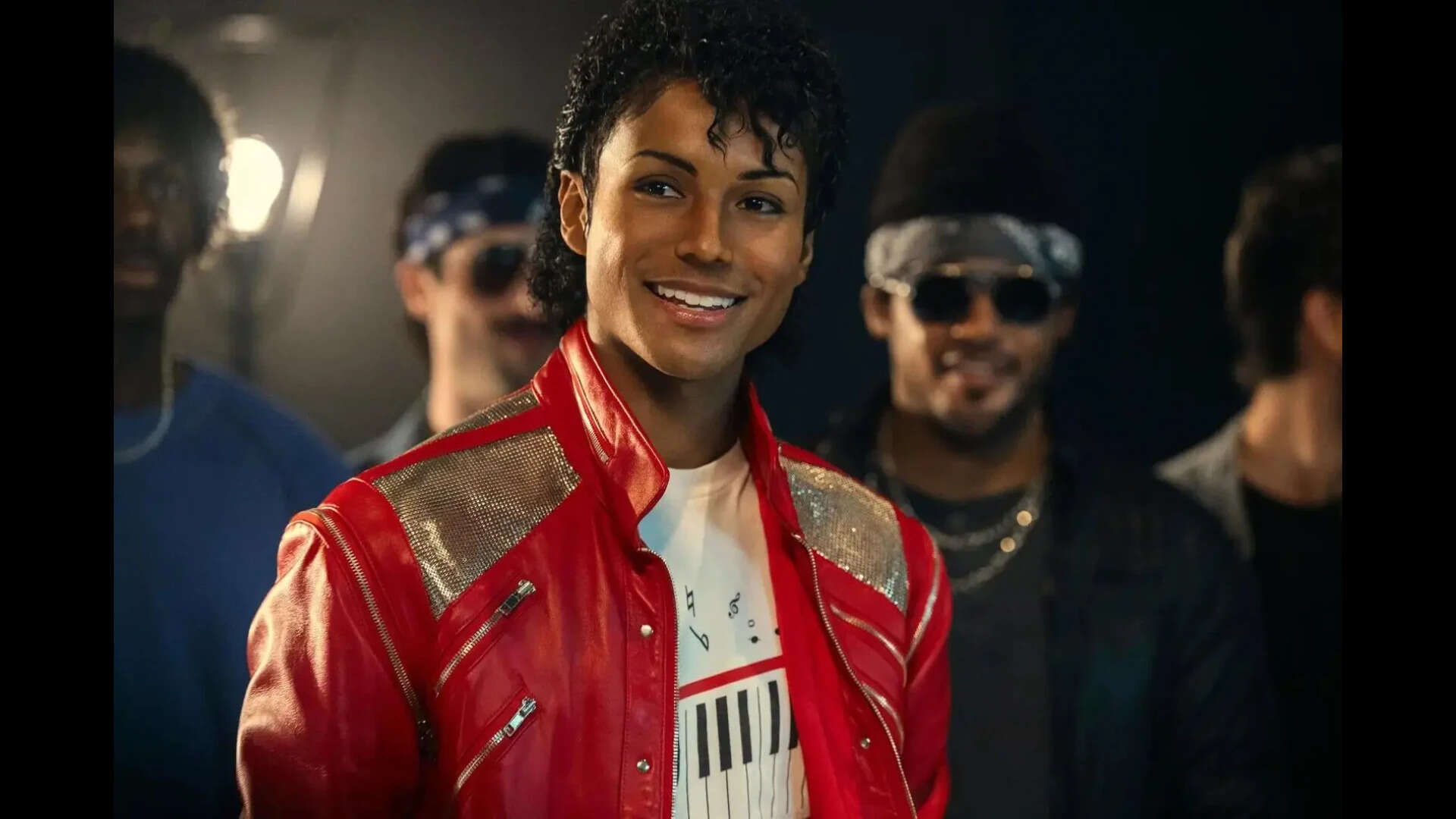
The movie, Michael, has accelerated an existing obsession into mainstream hysteria. Directed by Antoine Fuqua and starring Jaafar, Michael's nephew, in the lead role, the film has focussed on what the trailers describe as Jackson's "intense desire for perfection." The choice of Jaafar, who underwent extensive rehearsal to portray his uncle authentically, has resonated particularly strongly with younger viewers
The movie Michael has done something no one quite expected in 2026. It accelerated an existing obsession into mainstream hysteria. Directed by Antoine Fuqua and starring Jaafar, Michael's nephew, in the lead role, the film has focussed on what the trailers describe as Jackson's "intense desire for perfection." The choice of Jaafar, who underwent extensive rehearsal to portray his uncle authentically, has resonated particularly strongly with younger viewers.
That’s possibly because there is something about familial legacy that appeals deeply to a generation preoccupied with authenticity and origin stories. Here’s another number for you. The film's trailer alone racked up 116.2 million views in its first 24 hours.Then come the opening numbers. An astonishing $713 million (worldwide) and counting. But, frankly, the audience behaviour is what really matters here: younger viewers arrived dressed like him at his peak.
Red leather jackets. White socks. Loafers. Single gloves. There are entire TikTok feeds turned into MJ recreations. Dance schools have begun offering Michael Jackson choreography classes again. Fashion creators have gone back to copying 1980s MJ silhouettes.
Then there are reaction videos exploding across YouTube from younger audiences watching his performances for the first time.What the biopic has done is bring together younger generations and made discovering Michael Jackson a communal event.
Before this, Gen Z and Gen Alpha were discovering him online but independently. It’s the collective discovery that has stunned them. Platforms like X (formerly Twitter) and Instagram are full of posts and reels of Michael Jackson’s songs or clips of the biopic. And the discussions are endless.The reverberations can be felt across the world because… well, algorithm. We keep circling back to this word. Now, it’s that same algorithmic communal force that has become a movement, and then a phenomenon.
It almost feels like we are back to living in times when Micahel Jackson was alive.
Michael Jackson works like silent cinema
There is another reason Michael Jackson has survived generational shifts better than most artistes. His art travels visually. The moonwalk requires no translation. The anti-gravity lean requires no translation. Neither does his silhouette. His music and his dance are forms of communication that operate below the level of language or cultural context.There is a story that does the rounds about a French television crew showing footage of a Jackson concert to members of an Amazonian tribe with minimal contact with the modern world. The tribe members recognised him instantly. Not by name, necessarily, but by presence, by movement, by the quality of attention he commands.Jackson's choreography is globally legible in a way that the lyrics to even his most famous songs are not.
I remember the day clearly – the day MJ died. A friend said: “This will never happen again. You go to any remote village in India—or anywhere in the world—where people have not had the privilege of being exposed to the global world. They may not know which country they stay in, or who the prime minister or president is.
But tell them one word: Micheal Jackson. And a child in any part of the world will start to moondance.” This is true.
The Boomers know it, as do the Gen X, or Millennials.But to Gen Z and Alpha, this power from an artiste they knew of but not well enough; it’s a discovery of mammoth proportions. Jackson’s performances function almost like silent cinema. You can mute the sound and still understand the charisma, the tension, the drama, the rhythm, the spectacle. No artiste operates at that level.
"Contemporary artists are still chasing what he achieved fifteen years after his death," is a sentiment that appears, in some variation, across comment sections and fan forums with remarkable frequency.
It is not a criticism so much as a recognition of scale. Jackson simply did things at a level of craft and spectacle that has not been matched, and a generation that has grown up with access to every performance he ever gave on YouTube has had the opportunity to arrive at that conclusion entirely on its own terms, without nostalgia, without memory, simply by watching.
It’s a discovery that they simply can’t get enough of…
MJ was the blueprint for modern pop culture
Another reason that makes MJ feel uncannily relevant to Gen Z is that so much of modern internet culture already operates on systems he invented decades ago – in an analogue world.
Long before TikTok dance trends, viral choreography, K-pop performance culture, cinematic music videos, or hyper-curated celebrity aesthetics, he transformed pop music into a total visual experience where dance, fashion, storytelling, and performance mattered as much as the songs.He turned choreography into the main event, bringing street-dance styles like popping, locking, funk, breakdance influences, mime, and urban freestyle into global mainstream culture through performances that people everywhere tried to imitate.
When he got up on a stage to sing: “If you're thinkin' about my baby, it don't matter if you're Black or White”, he wasn’t just talking to the arena. His music video made sure people everywhere in the world could relate.
He excelled in every department of music-making.Today’s dance-challenge ecosystem, performance-heavy music videos, flash mobs, and precision K-pop choreography — all carry traces of his influence, whether younger creators realize it or not.
At the same time, Gen Z’s fascination with him also reflects exhaustion with disposable celebrity culture. In an era where fame often feels temporary and algorithm-driven, Jackson represented obsessive craftsmanship — from his live performances and rehearsals to his visuals, stage design, and music videos.
Watching performances like 'Billie Jean' at Motown 25 still shocks younger audiences because the intensity feels almost unreal today.Modern stars such as The Weeknd, Bruno Mars, Beyoncé, Chris Brown, and even groups like BTS are often discussed as inheritors of parts of his legacy. Yet nobody fully replaced the combination of vocalist, choreographer, fashion icon, visual director, storyteller, and stadium performer that Jackson embodied simultaneously.
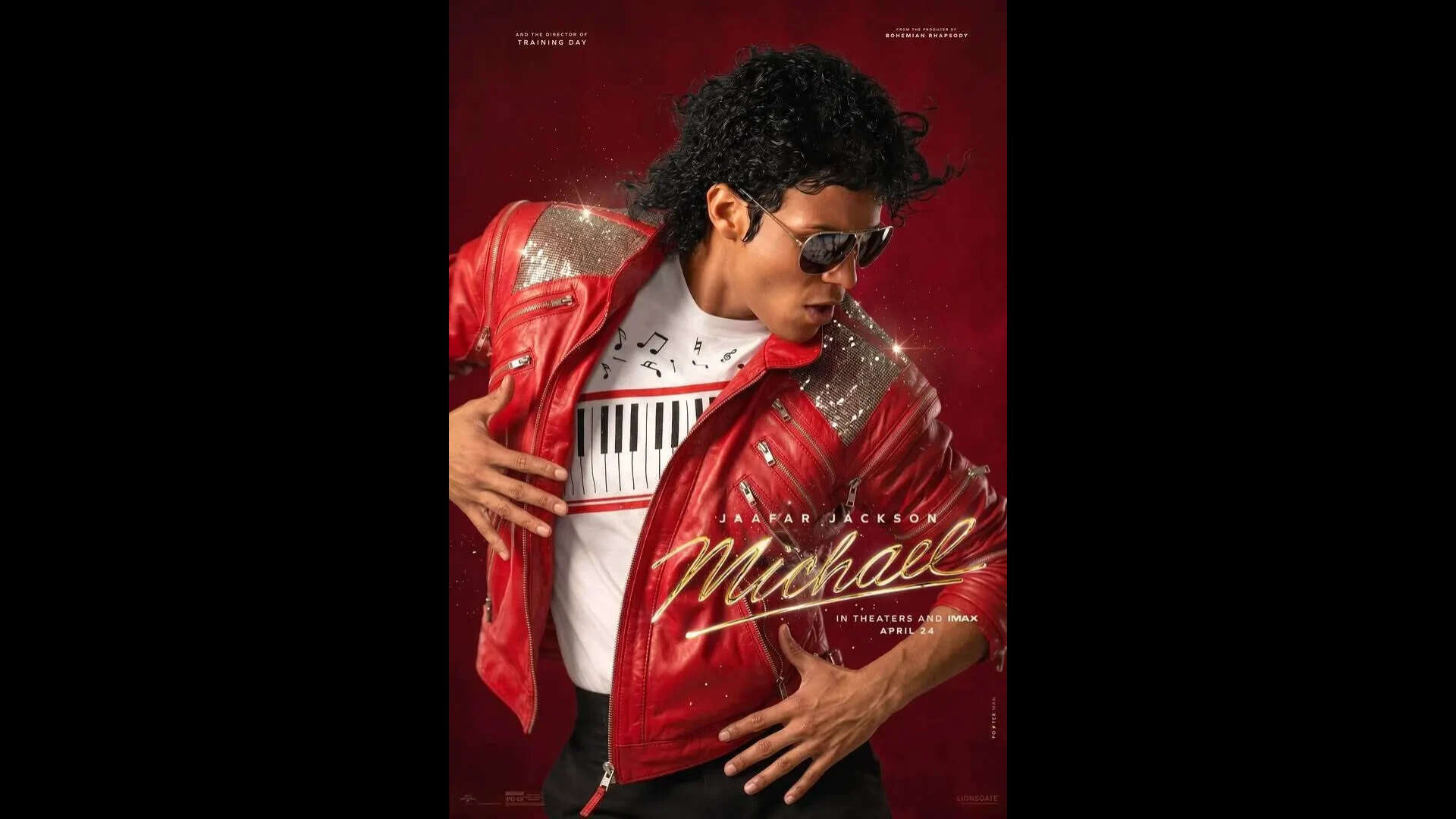
MJ’s influence also survives through fashion and visual culture: military jackets, loafers with white socks, sharp silhouettes, red leather, and instantly recognizable stage imagery continue to circulate online because Jackson understood visual branding before the social-media age existed.
Then there’s style. MJ’s influence also survives through fashion and visual culture: military jackets, loafers with white socks, sharp silhouettes, red leather, and instantly recognizable stage imagery continue to circulate online because Jackson understood visual branding before the social-media age existed.
Most importantly, he permanently changed what music videos could be. With works like ‘Thriller,’ he transformed videos from promotional clips into cinematic events filled with narrative, symbolism, choreography, and blockbuster ambition, laying the foundation for everything from Beyoncé’s visual albums to K-pop spectacle and YouTube-era visual storytelling.
The strangest part: Gen Z discovered the MJ mythology on their own
https://youtube.com/shorts/ZfWRPW55UFM?si=zcsWKKqux5LwFfbm
No teacher at schools or colleges assigned Michael Jackson to Gen Z.
No platform forced him on to young audiences. That’s because no nostalgia campaign could fully manufacture this scale of resurgence. Gen Z encountered MJ independently; and collectively reached the same conclusion: this man was extraordinary. That is what makes the 2026 Michael Jackson phenomenon genuinely fascinating.The generation most associated with short attention spans became obsessed with a performer famous for discipline.
The generation raised on authenticity fell in love with an artiste who transformed performance into mythology. The generation accused of “living online” became captivated by someone whose power was intensely physical. First, they watched the trailer, then the movie. Then the research started – the hunt for footage, the yearning for the dancing, the challenge for that precision, and that scale of ambition.And they have responded.
Loudly. And clearly.Michael Jackson promised in 1983 that he would rise from the dead. He was dressed as a zombie, dancing on a set designed to look like a cemetery, and he was singing about it, which counts as a kind of advance notice. Forty-three years later, Gen Z found the video of 'Thriller' on YouTube and decided that this, precisely this, is what they wanted.So, Michael Jackson is number one. Again.





 English (US) ·