

 4 days ago
2
4 days ago
2
ARTICLE AD BOX
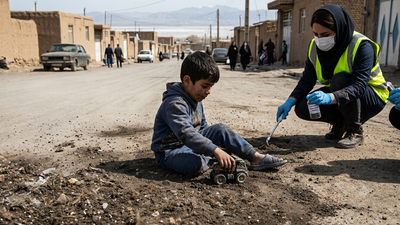
The image captures a grounded, documentary-style scene set in a dusty street of what appears to be a rural or semi-urban town in the Urmia region. Image Credit: Gemini
Microplastics have already been detected in oceans, rivers, drinking water, and air. Now, according to the latest study, street dust may be another route of exposure for humans, especially children.
In an analysis of dust samples gathered from all around Urmia City in northwestern Iran, scientists noted microplastic concentrations from 500 to 17,000 per kilogram. The findings, published in Scientific Reports and available through PubMed, show that the majority of the microplastics are made up of fibers from clothing, textiles, and other plastic materials.Children were also found likely to ingest more microplastics than adults because they more often put things in their mouths and have greater dust exposure outdoors.What were the results of the research?The study, conducted by scientists at Urmia University of Medical Sciences and their colleagues, examined street dust samples collected from various locations across the city.Fibres were the most common type of microplastic found in the samples. Most measured between 100 and 500 micrometres in size. Transparent particles accounted for around 40% of the total, while black particles made up about 22%, according to the researchers.
With the use of a scanning electron microscope, scientists noticed that particles had a surface with rough and irregular shapes typical of fragments of big plastic objects.Among the polymers identified in the microplastics were polyethylene (PE), polypropylene (PP), polyethylene terephthalate (PET), polystyrene (PS), polyvinyl chloride (PVC), polyester (PES), polyoxymethylene (POM), and epoxy polymers.
Researchers estimated that adult intake could range from 37 to 1,150 particles per year under normal street-dust exposure. Under higher exposure, the estimate rose to as many as 2,900 particles per year.
The estimated exposure levels were higher for children due to differences in body mass and activities.It is worth noting that these figures are modelled estimates, not direct measurements of particles taken into the human body.Why have microfibres become abundant in street dust?Scientists have noted that microfibres have been increasing in urban areas across the globe. It is believed that they come from various everyday sources like clothes made of synthetic fabric, carpet, upholstery, tyre wear, and the degradation of bigger plastic waste.Street dust acts as a reservoir where these particles collect before being resuspended by wind, rain, or human activity.The findings from Urmia fit well with those of other studies. According to a 2026 study in the Journal of Hazardous Materials, available through PubMed, microplastics were detected in all street dust samples collected from eastern Saudi Arabia, showing the importance of urban dust as a sink for plastics.
There have been other studies reporting pollution by microplastics in various cities like Delhi, Varanasi, and Mashhad.How does this impact human health?In the face of microplastics being consumed through food, drinking water, and the air, scientists are becoming more and more worried about human contact. Nonetheless, according to scientists, the implications of this on human health are still being studied. According to a major scientific review published in Annals of Global Health in 2023, plastic particles have raised concerns as a potential public health risk, although many uncertainties remain regarding the health consequences of prolonged, low-level exposure.Some recent scientific reviews have also come up with a similar finding. Although it has been suggested in studies conducted in labs and observation-based research that microplastics induce inflammation and oxidative stress, scientists argue that strong evidence from humans is still required.
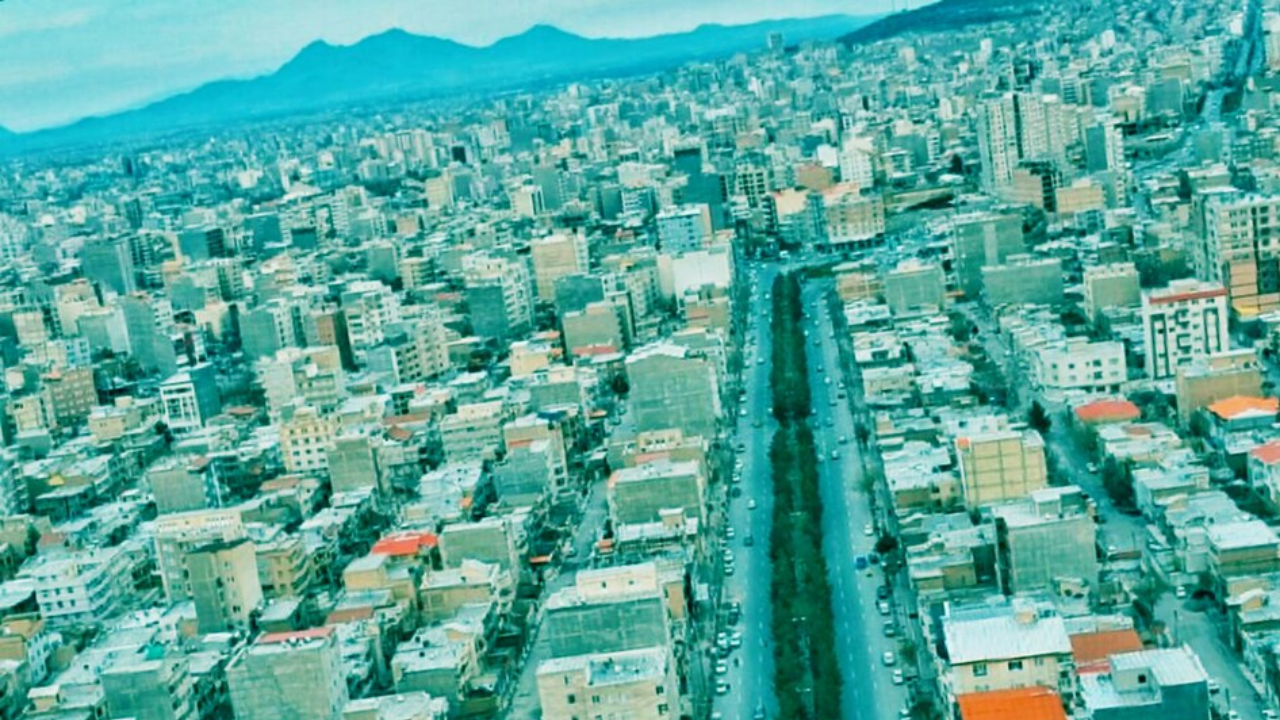
Urmia (Urmu) city the capital of West Azerbaijan province. Image Credit: Wikimedia Commons
Importance of the ResultsEven though the results of this paper concern only one city in Iran, their significance is much greater than the borders of Urmia.Microplastic pollution is a problem of every urban area worldwide due to the presence of traffic, construction work, textile fibers, and the degradation of consumer products. As cities expand, scientists say it is important to identify where microplastics accumulate and where people are exposed to them.The authors say the study underscores the need for local action to reduce pollution and study human exposure, particularly among children.









 English (US) ·