

 2 hours ago
7
2 hours ago
7
ARTICLE AD BOX
Last Updated:April 28, 2026, 14:41 IST
Retailers estimate losses running into billions of pounds annually, with theft costs often passed on to consumers through higher prices


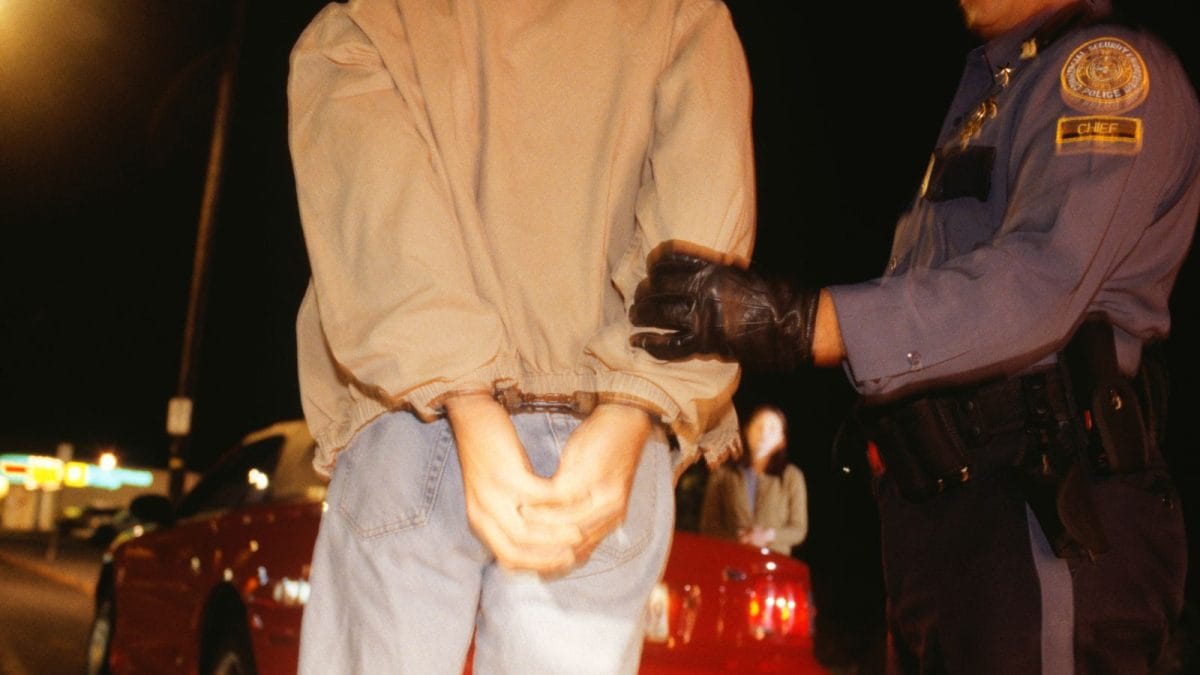
Over 5,30,000 offences were recorded in England and Wales in a year---a 20 per cent jump and the highest since records began. (AI-Generated Image)
Shoplifting in the UK is no longer seen as petty theft but a national political issue, prompting prime minister Keir Starmer to promise a crackdown on what he described as a “free-for-all". But what exactly has changed and why has the problem escalated?
According to the Office for National Statistics, over 5,30,000 offences were recorded in England and Wales in a year—a 20 per cent jump and the highest since records began. There were around 5,19,000 cases recorded in 2025 alone, with Reuters quoting retail bodies as saying that the real number is far higher, with millions of incidents going unreported.
Retailers estimate losses running into billions of pounds annually, with theft costs often passed on to consumers through higher prices. Even where data shows a slight stabilisation recently, experts warn the problem remains structurally high.
Why Starmer Is Worried
The UK prime minister has made shoplifting a priority for three key reasons, the most crucial being the fact that it is no longer a low-level crime. Retail crime is increasingly organised, repeat-driven, and linked to wider criminal networks. According to a report by the Centre for Social Justice, stolen goods are routinely resold locally or used to fund other crimes.
Shoplifting is also closely tied to violence. According to The Times, nearly 80 per cent of retail workers report abuse. Over 50 per cent have been threatened and around 10 per cent assaulted. Two-thirds of attacks on retail staff are linked to theft incidents.
One of the biggest triggers has been the belief that shoplifting carries low risk of punishment. A previous rule discouraged investigation of thefts under £200. Many cases go unresolved or are dropped early and, in some areas, a majority of cases are closed without identifying a suspect. This created what critics called a “shoplifters’ charter", now scrapped by the government, Times reported.
Why Has Shoplifting Surged?
It’s a mix of economic, social and policing factors. Inflation and financial stress have pushed some people into theft, especially for essentials. But experts caution this is only part of the story.
According to The Guardian, research shows many offenders are repeat offenders, linked to addiction or organised theft, and are stealing to resell goods. Analysis points to the fact that shoplifting is often driven by “career shoplifters" rather than one-off desperation.
Retailers, meanwhile, say many incidents go unreported because police response is slow, conviction rates are low, and staff are discouraged from intervening. Unions now advise workers not to physically stop shoplifters due to safety risks, Reuters reported.
The problem has evolved beyond individuals as gangs target stores systematically, goods are quickly resold, and theft is coordinated across locations. This has made shoplifting part of a larger criminal economy.
Modern retail is also to blame. Self-checkouts, open displays, and reduced staff presence have unintentionally made theft easier, forcing some chains to now reverse the move by removing self-service setups in high-theft areas.
Government’s Response
The UK government has announced a tougher approach, including:
• Scrapping the £200 threshold for low-value theft
• Increasing neighbourhood policing
• Making assault on retail workers a specific offence
• Investing in police units targeting organised retail crime
Starmer has said the aim is to end the sense that shoplifting is “risk-free".
There are early signs of change. Charges for shop theft have increased by about 17 per cent, with The Guardian data suggesting a slight decline in overall theft levels.
However, experts warn that the underlying drivers—economic pressure, organised crime, and weak deterrence—are still in place.
Handpicked stories, in your inbox
A newsletter with the best of our journalism
Location :
London, United Kingdom (UK)
First Published:
April 28, 2026, 14:41 IST
News explainers Too Easy To Steal? Inside UK's Shoplifting Epidemic That Has Keir Starmer Worried
Disclaimer: Comments reflect users’ views, not News18’s. Please keep discussions respectful and constructive. Abusive, defamatory, or illegal comments will be removed. News18 may disable any comment at its discretion. By posting, you agree to our Terms of Use and Privacy Policy.
Read More








 English (US) ·