

 1 hour ago
3
1 hour ago
3
ARTICLE AD BOX
Last Updated:March 04, 2026, 13:30 IST
Here’s a look at the countries that are the happiest.
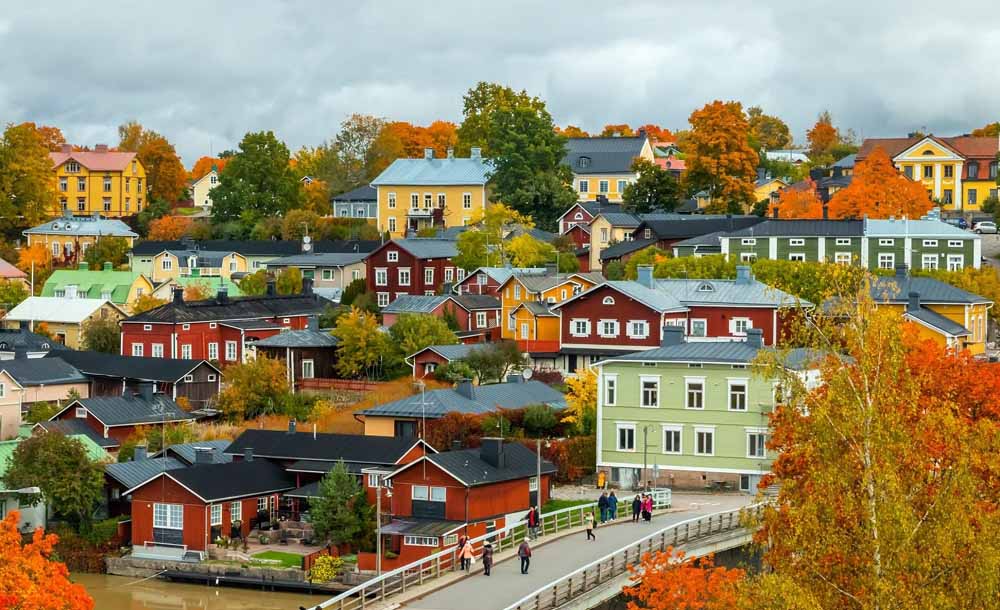
Finland: Finland has topped the happiness rankings for eight consecutive years, thanks to robust welfare programs, low levels of corruption, and shorter workweeks. Citizens benefit from abundant access to nature, high community trust, and policies that emphasize equality. According to the Gallup World Poll, more than 91% of Finns report strong life satisfaction and confidence in public services.
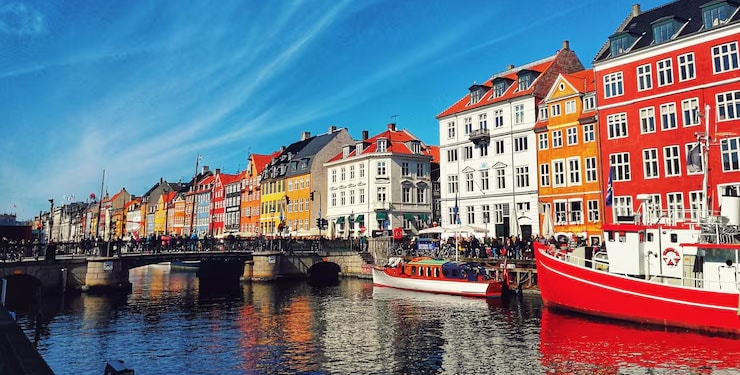
Denmark: Denmark holds the second spot, celebrated for its balanced work-life culture and strong sense of civic responsibility. Generous taxation supports free education, healthcare, and childcare services. According to the World Happiness Report 2025, Danes prioritize fairness, equality, and collaboration—key factors that contribute to lasting happiness.
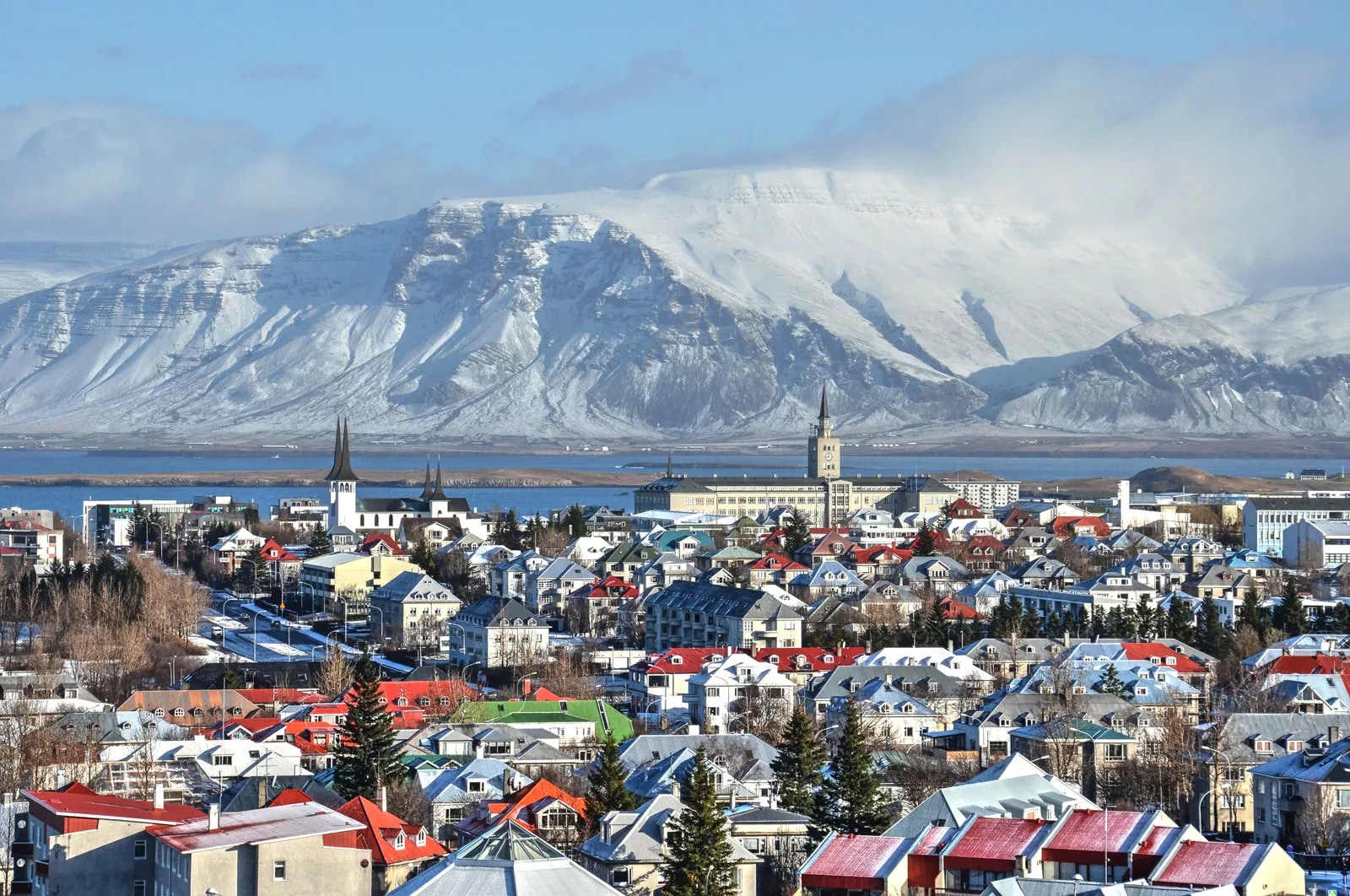
Iceland: Despite its harsh climate, Iceland stands out for its strong community bonds and economic resilience. Its small population fosters close-knit social connections, while progressive gender equality policies support high life satisfaction. Surveys reveal that Icelanders place exceptional trust in both their institutions and their neighbours, ranking among the highest in the world.
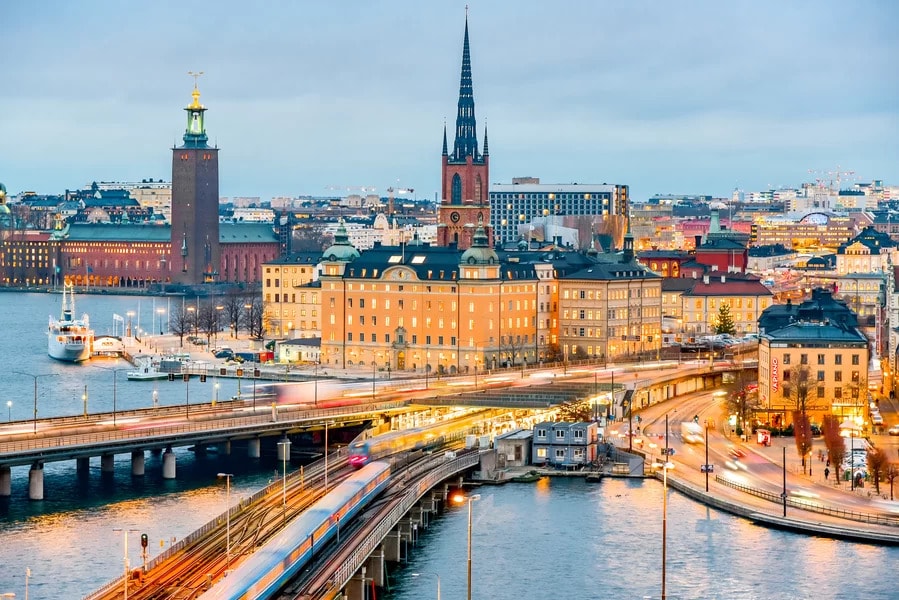
Sweden: Sweden ranks highly due to its emphasis on personal freedom, sustainability, and social equality. Widespread access to healthcare and strong environmental standards enhances overall well-being. The report highlights Sweden’s “collective resilience” as a key reason for its consistently high happiness levels.
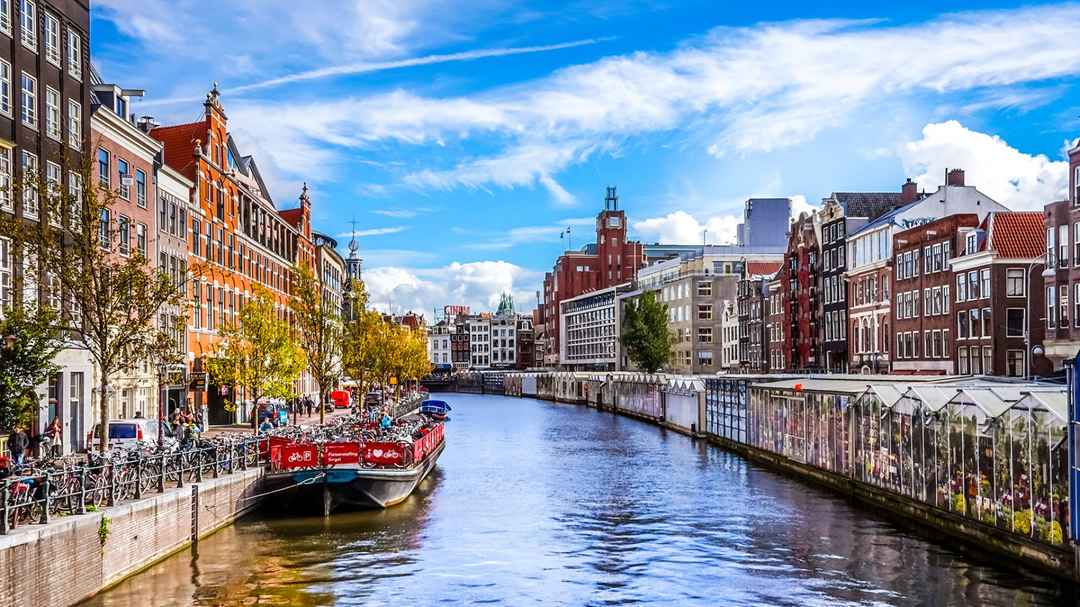
Netherlands: In the Netherlands, happiness is strongly tied to a balanced lifestyle. Citizens benefit from shorter workweeks, efficient infrastructure, and inclusive education. Families enjoy more quality time together compared to many other European countries, boosting overall well-being, according to the Oxford Wellbeing Analysis 2025.
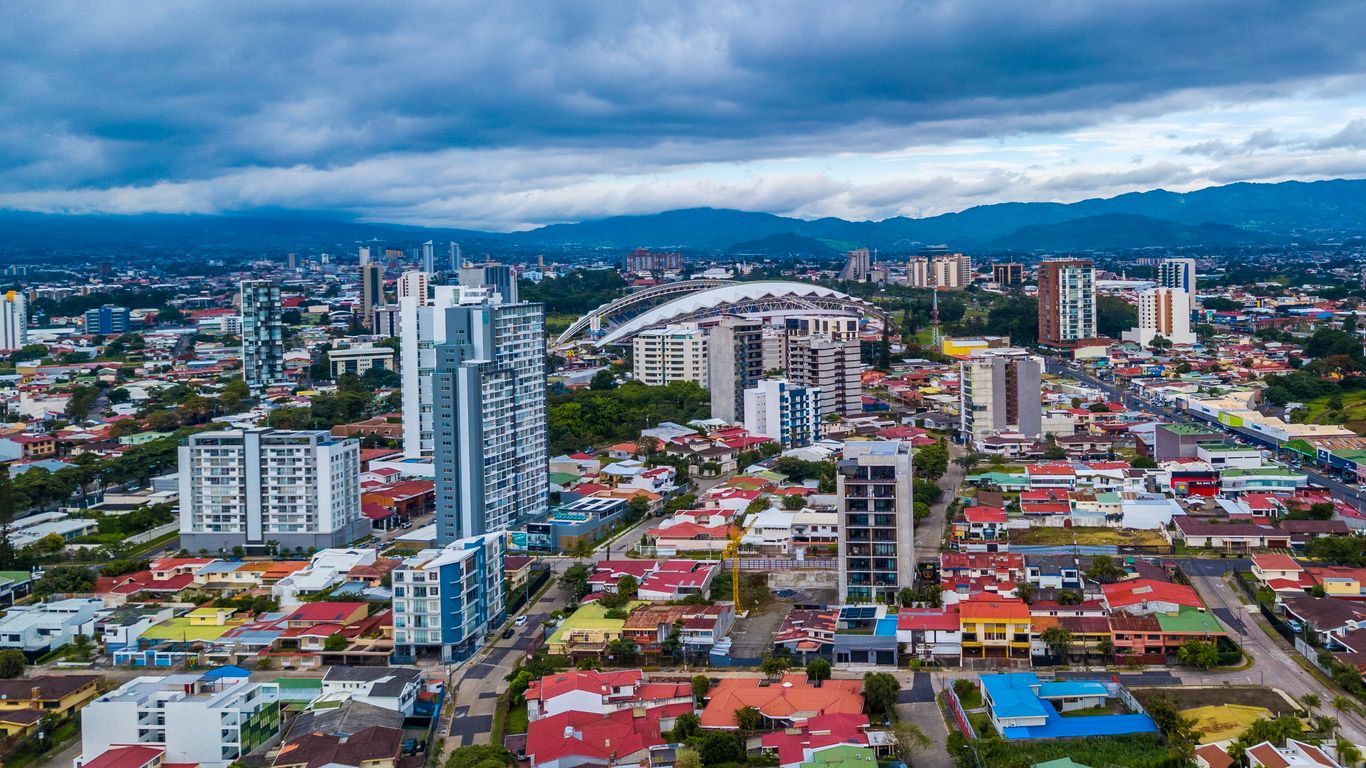
Costa Rica: Costa Rica continues to lead as Latin America’s happiest nation, celebrated for its commitment to peace and sustainability. Since abolishing its military in 1949, the country has redirected resources toward public education and healthcare. With a life expectancy comparable to European nations, residents attribute their happiness to strong community ties and environmental stewardship.
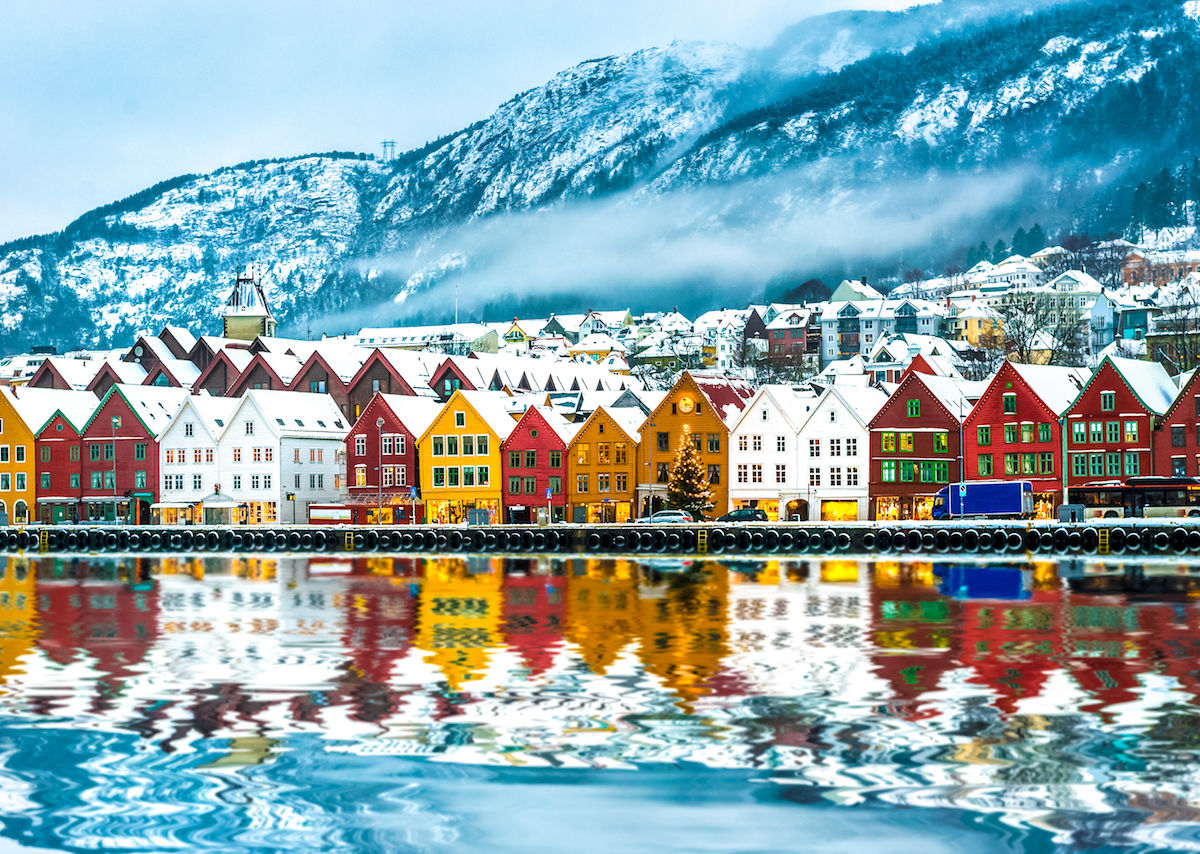
Norway: Norway ranks among the world’s top ten happiest countries thanks to high income levels, effective governance, and comprehensive social welfare. A balanced work-life approach and an active outdoor lifestyle support mental well-being, while natural resources such as oil fund long-term welfare programs that promote stability and equality.

Israel: Israel continues to achieve high happiness scores despite economic pressures and geopolitical challenges. The report emphasizes strong community support and a prevailing sense of optimism as major contributors. Advanced healthcare and education systems further sustain public confidence and long-term well-being.
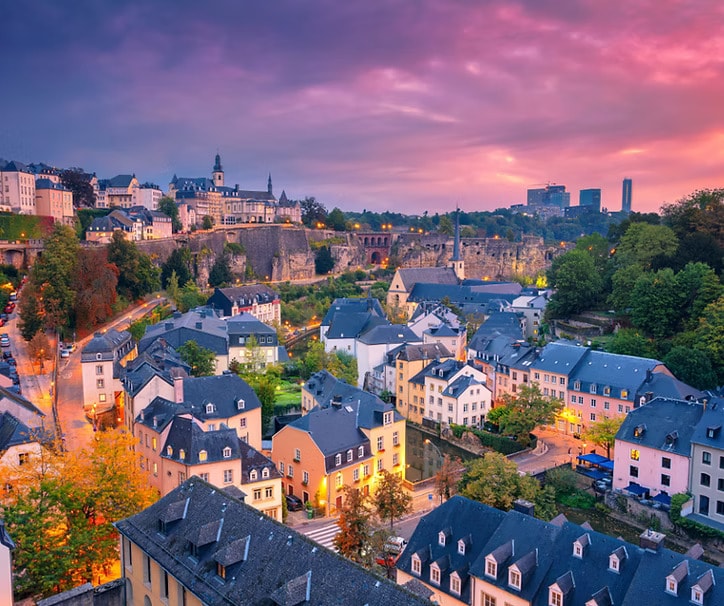
Luxembourg: Luxembourg’s compact size hasn’t hindered its wealth or quality of life. Boasting one of the highest GDPs per capita globally and a strong welfare system, residents enjoy both financial security and social inclusivity. According to Gallup data, over 80% of Luxembourgers feel safe walking alone at night.

Mexico: Mexico has entered the top ten happiest countries for the first time. Strong social connections, rich cultural traditions, and family-focused lifestyles foster happiness even in the face of economic challenges. Optimism plays a central role, as shared festivals and community spirit often outweigh material concerns.








 English (US) ·