

 2 hours ago
5
2 hours ago
5
ARTICLE AD BOX
Last Updated:March 28, 2026, 13:29 IST
The combination of indirect channels, mutual distrust & security concerns means that it can take much longer for mediators to get replies and for positions to be clarified


The US government has repeatedly signalled that it wants to explore diplomatic options to end the conflict, even as military operations continue. (AFP)
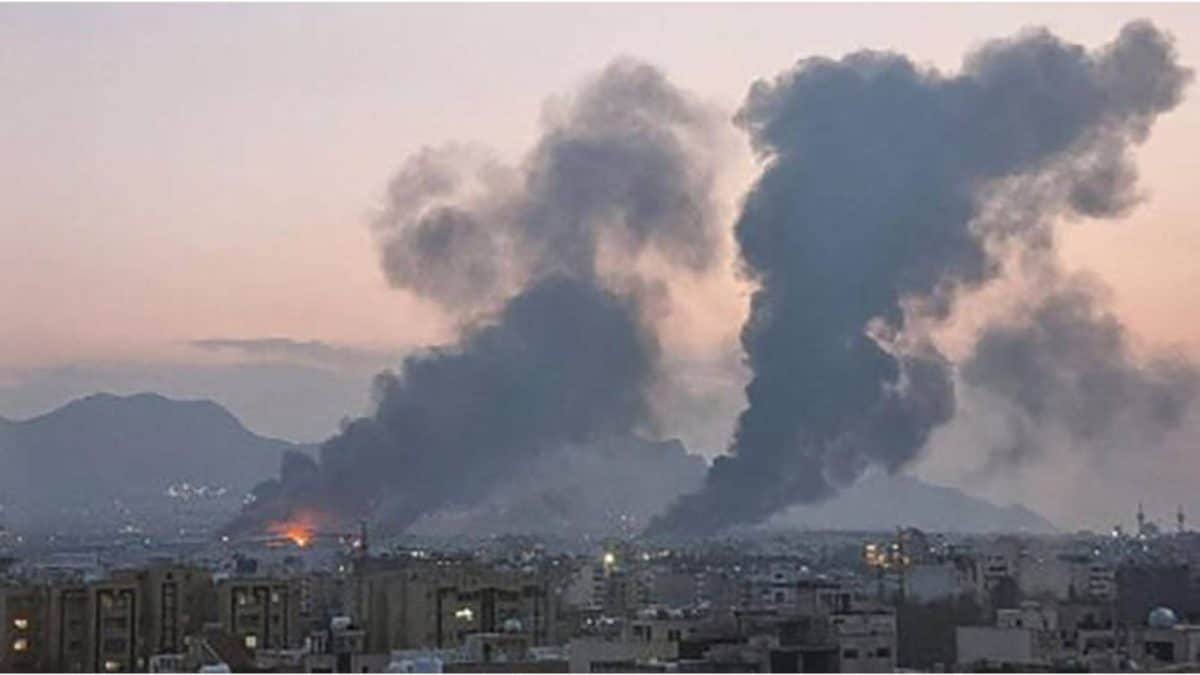
As the war between the United States-Israel and Iran continues, efforts to open diplomatic channels and potentially negotiate an end to hostilities have been hampered by a mix of mistrust, indirect communication and Tehran’s reluctance to engage directly.
The US government has repeatedly signalled that it wants to explore diplomatic options to end the conflict, even as military operations continue. Washington has shared a 15‑point peace proposal with Iran that includes demands such as halting uranium enrichment and other military activities, although Tehran has criticised it as one‑sided.
According to Axios, because direct US-Iran talks have not resumed at senior levels since the war began, Washington and its partners have instead relied on third‑party intermediaries such as Pakistan, Turkey, Egypt, and Oman to relay messages between the two sides. These countries are viewed as having the diplomatic access or neutrality needed to keep lines of communication open.
ALSO READ | Ceasefire Or Regime Change: How Will The US-Israel-Iran War End?
However, from Iran’s perspective, continuing the war effort and responding militarily to US and allied actions has remained a priority. Iranian leaders have issued public statements rejecting ceasefire talks and downplaying reports of negotiations, saying they won’t come to the table while under attack. According to Iranian media, the leadership believes the war will conclude on its own terms rather than through negotiations perceived as unequal or imposed.
Iran’s Foreign Minister Abbas Araghchi, striking a defiant tone amid the war, described the past few weeks as a “golden, glorious moment" for Iran, saying Tehran’s “resistance against a major global power" had become a source of national and even global pride.
“No nation in history has stood for nearly a month against the greatest nuclear-armed power on earth and stopped them from achieving a single goal," he said, adding, “This is a point of pride for all of humanity."
ALSO READ | Iran’s War Machine: Why A Ceasefire With Tehran Could Be Harder Than It Looks
Apart from pride, there are also deeper issues of mistrust. Past indirect talks between the countries, such as nuclear negotiations earlier in 2026, took place through intermediaries precisely because neither side trusted the other enough for direct contact, and Iran has historically pushed back against what it sees as US pressure tactics.
One specific reason cited by US officials for why even indirect exchanges are slow, as reported by Axios, is that Iranian officials who might be part of negotiations are reportedly avoiding the use of phones and other easily locatable devices. According to sources familiar with discussions at a recent G7 meeting, this avoidance stems from fears that their communications could be tracked and that they could be targeted or assassinated. That has slowed the pace of message exchanges between mediators and Tehran.
The combination of indirect channels, mutual distrust, and security concerns among Iranian figures means that even when both sides want to send messages or gauge interest in a deal, it can take much longer for mediators to get replies and for positions to be clarified. This dynamic helps explain why US diplomats and allies have not yet been able to announce meaningful progress toward direct negotiations or a ceasefire, even as they publicly say they remain open to diplomacy.
First Published:
March 28, 2026, 13:29 IST
News explainers Trump On Hold? 3 Reasons Why Iran Isn't Picking Up The Phone For Peace Talks
Disclaimer: Comments reflect users’ views, not News18’s. Please keep discussions respectful and constructive. Abusive, defamatory, or illegal comments will be removed. News18 may disable any comment at its discretion. By posting, you agree to our Terms of Use and Privacy Policy.
Read More







 English (US) ·