

 1 hour ago
6
1 hour ago
6
ARTICLE AD BOX
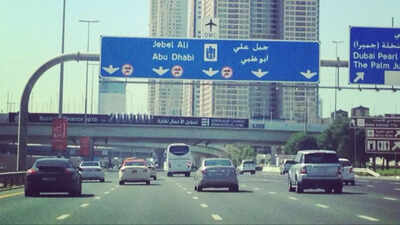
Fines Incoming? Abu Dhabi’s Speed Limit Shake-Up Explained
In a bold push to improve road safety and reduce traffic collisions, the Joint Traffic Safety Committee in Abu Dhabi has rolled out new reduced speed limits on three of the emirate’s busiest roads.
The updated regulations, which took effect on February 09, 2026, mark the latest in a series of transport reforms designed to curb high-speed accidents and make daily commutes safer for all motorists.Here’s a comprehensive look at what’s changed, why authorities acted and what drivers need to know going forward.
What’s changed: The new speed limits in Abu Dhabi
Under the new rules, authorities have lowered posted speed limits by 20 km/h on three major road corridors in Abu Dhabi -
- Abu Dhabi–Al Ain Road (E22): The speed limit between the Al Nahda Interchange and Baniyas Interchange has dropped from 160 km/h to 140 km/h, and from 140 km/h to 120 km/h for another stretch between Baniyas Interchange and before the Bridges Complex.
- Al Rawdah Road (E30): Connecting the Musaffah area with Mohammed bin Zayed City, this road now has a speed limit of 100 km/h, down from 120 km/h previously.
- Another section of E22 has also seen consistent reductions.
All reductions apply in both directions and are now enforceable.
Motorists have been urged to adhere strictly to the updated limits for their own safety and that of other road users.
Why the change? Road safety at the core of Abu Dhabi
Authorities say the revisions are part of a broader safety strategy aimed at lowering crash rates and protecting both commuters and vulnerable road users. Abu Dhabi has seen increasing vehicle volumes in recent years and data show that high-speed collisions remain one of the biggest contributors to fatal and serious injury crashes nationally.
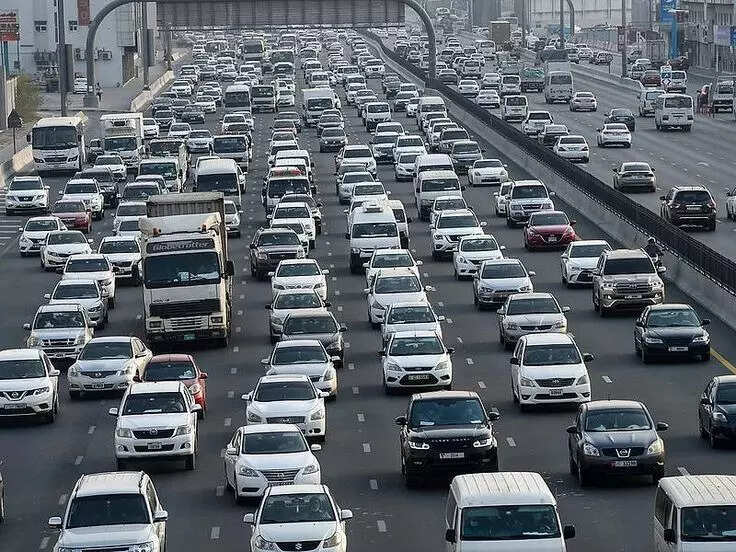
Abu Dhabi Reduces Speed Limits on Key Roads for Enhanced Safety
Earlier variable speed limit systems trialled in Abu Dhabi, which adjust limits in real time based on weather, congestion or accidents, demonstrated that lower speeds correlate with improved safety outcomes and smoother traffic flow during hazardous conditions like fog or peak hours.By standardising lower maximum speeds across key motorways, traffic authorities aim to reduce the stopping distances required at higher speeds, a key factor in both accident severity and frequency.
Part of a wider traffic safety trend in Abu Dhabi
Abu Dhabi’s new speed limits are not isolated. Across the UAE, authorities have been steadily updating road rules to prioritise safety. In October 2025, Abu Dhabi introduced a variable speed limit system on Sheikh Zayed bin Sultan Road, using digital signage to lower limits automatically during bad weather, traffic peaks or incident response situations.On other major routes, authorities have previously reduced maximum limits, for example on Sheikh Khalifa bin Zayed International Road (E11) and Sweihan Road (E20), to clear safety thresholds.
The emirate also abolished a minimum 120 km/h speed requirement on Sheikh Mohammed bin Rashid Road (E311) to improve safety and traffic harmony.
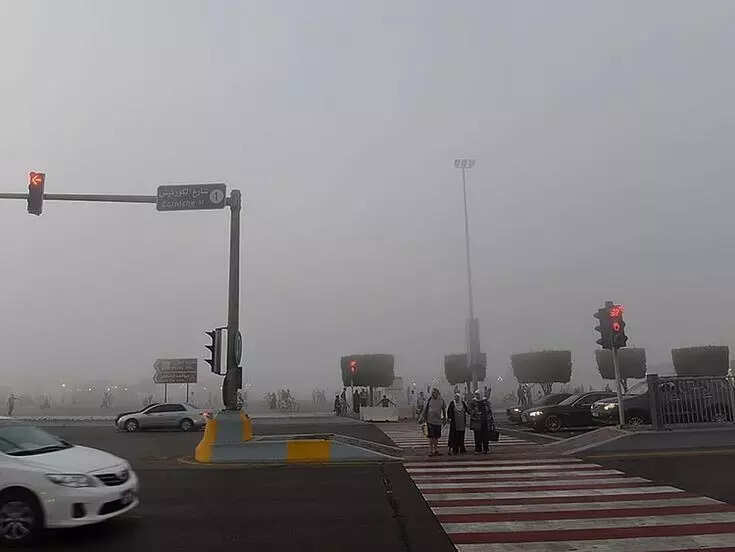
Abu Dhabi's New Speed Limits: Safer Roads or Just More Fines?
In addition, Abu Dhabi has implemented truck movement restrictions on certain roads to reduce congestion and collision risk during peak hours (e.g., banning truck movement on E11 and E10). Together, these measures position Abu Dhabi as one of the most proactive emirates in the UAE for road safety regulation, blending traditional fixed limits with dynamic and context-sensitive systems.
What Abu Dhabi's new speed limits mean for drivers
- Adjust Your Driving Habits: Drivers must be aware of the new limits and adjust their speedometers accordingly. Tools like GPS apps may take time to update in real time, so authorities insist motorists follow posted signs rather than defaults on navigation systems.
- Increased Enforcement: With updated limits, radar systems and speed cameras are being retuned, and traffic enforcement units have signalled strict monitoring and penalties for violations. That can include fines and black points, especially in areas where previous patterns showed high violation and crash rates.
- Safer Roads Ahead (If Compliance Improves): Research in other urban environments shows that moderate speed limits combined with enforcement and driver awareness reduce both fatal and serious collisions (e.g., studies correlating speed reductions to safety outcomes in roadway management literature). While a UAE-specific academic study on speed effects is pending, broader analysis supports this principle in traffic safety planning.
These changes come amid a broader UAE push to reduce road deaths and injuries, a priority for both traffic authorities and policymakers. Previous federal law reforms included stricter penalties for reckless behaviours, including unsafe overtaking and unsafe lane changes, aimed at reducing crash causation factors.Multiple emirates, including Sharjah and Ras Al Khaimah, have also adjusted limits on certain urban roads to enhance safety.
The message from authorities is clear that the speed management is central to saving lives on the road and static limits alone are not enough without consistent enforcement, driver education and infrastructure adaptation.Given how traffic authorities have rolled out dynamic limit adjustments, truck bans and variable signage, the future of road safety in Abu Dhabi could include expanded real-time speed management systems on more highways and intercity roads, integration of congestion and crash data into planning to fine-tune enforcement and limit calibration and broader road safety campaigns to align public understanding with regulatory goals.Abu Dhabi’s new speed limit reductions on three major roads, trimming limits by 20 km/h, are part of a wider and multi-pronged effort to improve road safety and traffic flow as the emirate’s population and vehicle numbers grow. For drivers, it means adjusting speed habits, understanding variable signage where deployed and staying aware that road safety regulations are evolving rapidly, not just locally but across the UAE, to match modern mobility challenges.









 English (US) ·