

 2 days ago
11
2 days ago
11
ARTICLE AD BOX
Last Updated:February 17, 2026, 13:00 IST
Election in Ukraine, which is grappling with an active conflict, raises questions about leadership, voters’ mindset, and how modern wars intersect with political accountability


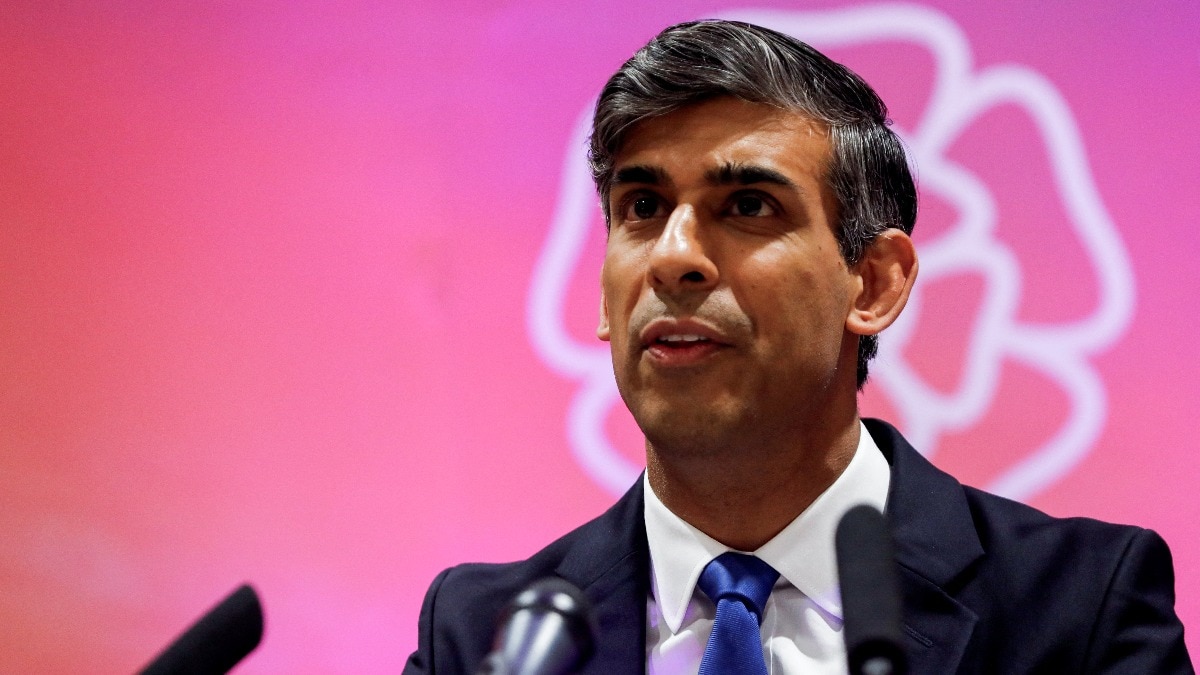
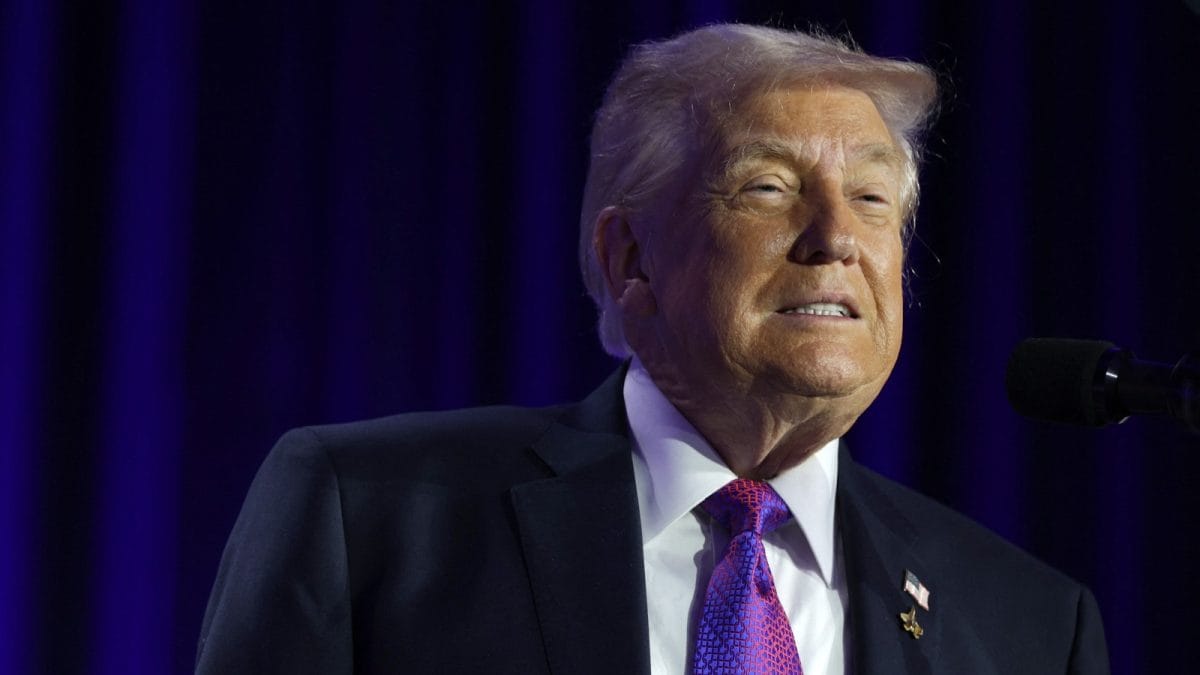
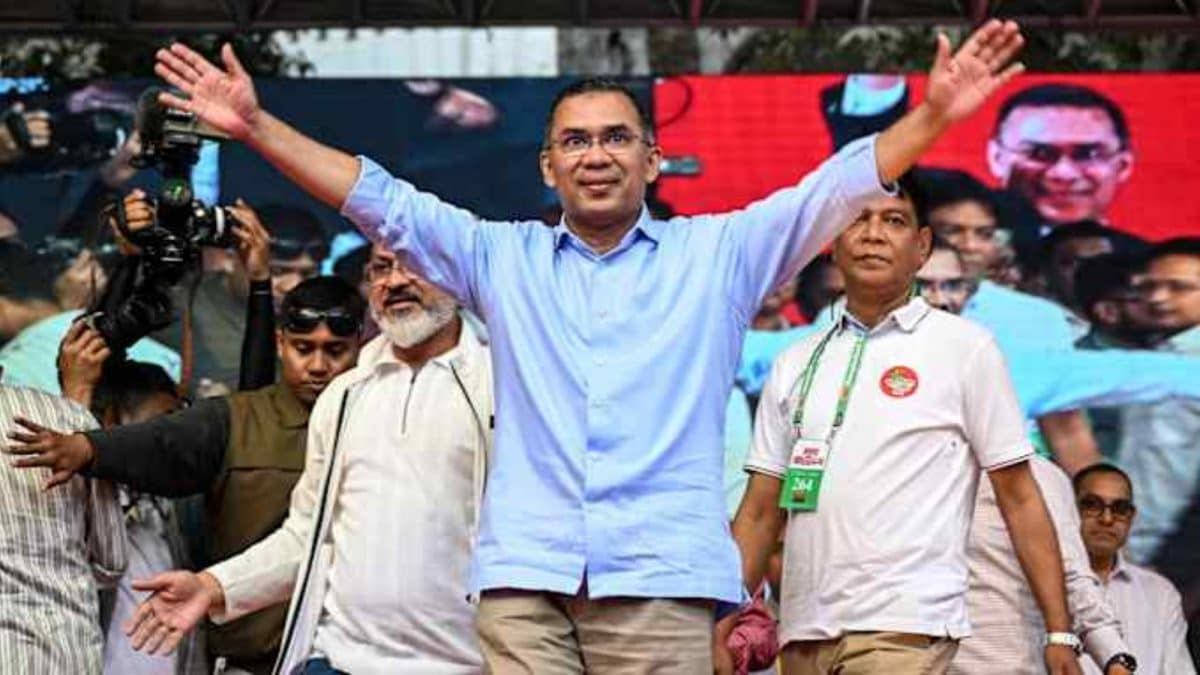
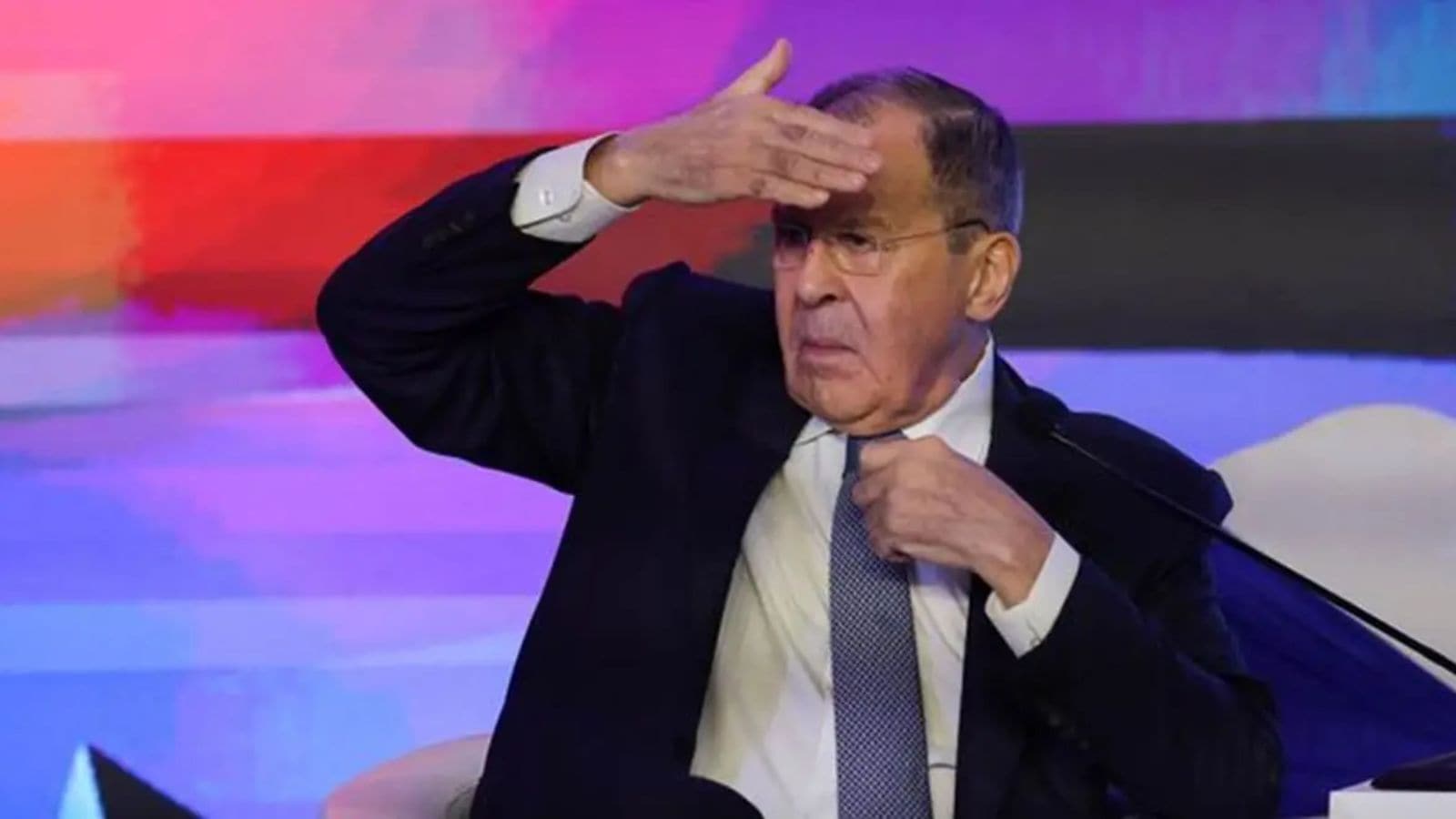
For Europe and NATO, the continuity or change of leadership in Kyiv could shape defence cooperation frameworks and long-term integration conversations. (AP file photos)
If Ukraine were to hold national elections this spring, the implications would stretch beyond Kyiv or even Eastern Europe. For countries like India, which has maintained a balance between Russia, the West, and its own strategic autonomy, any political shift in Ukraine could ripple through energy markets, defence partnerships, and diplomatic alignments.
An election in a country still grappling with an active conflict raises questions about democratic resilience, leadership legitimacy, voters’ mindset, and how modern wars intersect with political accountability.
Why The Ukraine Election Is Not Business As Usual
Elections in Ukraine are ordinarily scheduled through constitutional timelines, much like in other democracies. However, the ongoing war has complicated these provisions. Under martial law, which was declared on February 24, 2022, the day Russia launched its full-scale invasion, standard electoral procedures could not be executed, especially when millions are displaced internally or living abroad. Questions about voter safety, campaign fairness, and logistical feasibility have pushed the issue into a grey zone of law versus practicality.
Despite these challenges, discussions about elections have resurfaced because leadership continuity raises concerns about democratic renewal. President Volodymyr Zelensky had said last week, “We will move to elections when all the relevant security guarantees are in place. I have always said that the issue of elections is raised by various partners. Ukraine itself has never raised it."
He also stressed his country will hold elections only after a ceasefire with Russia is guaranteed. “…we are ready for elections. I said it is very simple to do. Make a ceasefire, there will be elections…First comes security, then politics."
The Financial Times had reported earlier that Ukraine was considering the possibility of holding a presidential election within the next three months, after reportedly being pressured by the US.
Zelensky’s elected time in office expired in May 2024, but he has stayed in the position as a wartime leader due to the ongoing fighting. He remains the most recognisable figure internationally. Yet Ukrainian politics has historically been dynamic, with former prime ministers, military officials, and reformist outsiders periodically emerging as contenders. Even if no formal campaign has begun, speculation itself signals a shift from pure survival mode to political introspection.
Who Are The Possible Contenders?
According to an opinion poll conducted on the Ukraine election, only 30.9% support Zelensky, while 27.7% described Valerii Zaluzhnyi as a potential leader. Currently, Ukraine’s ambassador to the UK, Zaluzhnyi was the former head of Ukraine’s armed forces from 2021 to February 2024.
General Zaluzhnyi was widely viewed as a war hero for spearheading Ukraine’s resistance to Russia’s full-scale invasion. He was consistently ranked among the country’s most trusted figures. A July 2025 opinion poll showed that 73% of Ukrainians expressed confidence in him — the highest approval rating for any public personality at the time. Although Zaluzhnyi has avoided commenting on any presidential ambitions, speculation persists that he may be keeping his political options open.
Another possible contender, Kyrylo Budanov, appointed by Zelensky as his chief of staff, led Ukraine’s military intelligence since 2020. He was credited with using drones deep into the Russian territory. Budanov has not indicated that he would stand for elected office, according to reports.
So, what to expect from the new president? “This would depend on who wins," said Rajoli Siddharth Jayaprakash, a PhD candidate at Jawaharlal Nehru University, who writes on Russia’s foreign policy and economy, and India-Russia relations. “If Zelensky remains incumbent, he would likely have the mandate to sustain the resistance and the negotiations in the current format. One of the contenders being spoken about is Valerii Zaluzhnyi, who has gained public support since late 2024, and has a higher approval rating than Zelensky. However, at this point, it is unclear whether his policy stance will be radically different."
Understanding The Weight Of War Fatigue
In the early phases of the conflict, Ukrainian society largely rallied behind a unified leadership narrative. Over time, however, the pressures of prolonged mobilisation, economic strain and displacement have created more nuanced public sentiment. Surveys and independent analyses indicate that while national unity remains strong in principle, opinions differ on how long the war should continue, what compromises are acceptable, and how resources should be prioritised between defence and civilian recovery.
“Public sentiments play an important role. Given that, since last year, war fatigue has further intensified, particularly in light of the current administration’s aim to reduce the age of conscription, which has been perceived negatively, and not to mention the corruption scandals involving Zelensky’s top aides. At the same time, the appointment of Kyrylo Budanov as Zelensky’s Chief of Staff has exuded a sense of confidence. However, the overall sentiment remains towards bringing an end to the fighting," explained Jayaprakash.
Generational and regional variations also play a role. Younger Ukrainians, typically aged 18-35, often express expectations of institutional transparency, economic opportunity, and security concerns, and have a pro-European stance.
A report by the United Nations Development Programme (UNDP) highlights that in recent years, 70% of young people believed that fighting crime and corruption should be a government priority.
A 2024 survey by Vox Ukraine showed that 68.9% of Ukrainians expressed scepticism about the ability of authorities to maintain free and fair, transparent elections.
“Four years of fighting have an impact on the body politic of a country. In both camps, war fatigue has crept in. Much of Eastern Ukraine remains dilapidated with incessant Russian strikes. Even with Russia ceasing attacks in the midst of the elections, naturally, the public will not be receptive to changing the government. Elections mostly are peacetime endeavours; the public chooses post-war reconstructions over a regime change," points out Jayaprakash.
Meanwhile, international allies hold their own perspectives. Some governments favour leadership continuity to maintain predictable coordination on military assistance and diplomatic negotiations. European allies, particularly after shifts in US contributions in 2025, have stressed the need to work with the established leadership to maintain the flow of air defence systems and ammunition, with plans to increase support in 2026.
What Are The Election’s Strategic Implications For Alliances?
A new president might influence Ukraine’s approach to negotiations, the sequencing of military priorities, or the tone of diplomatic engagement with neighbouring states. Even subtle shifts in rhetoric can alter international perceptions, affecting aid packages, sanctions discussions, and alliance cohesion.
For Europe and NATO, the continuity or change of leadership in Kyiv could shape defence cooperation frameworks and long-term integration conversations. For the US, it may affect legislative support dynamics and public opinion around sustained involvement.
The US reportedly proposed a 15-year security guarantee framework after the war; Ukraine wants 20 years or longer. Kyiv seeks a long-term deterrence enough to convince Russia that renewed invasion would be futile.
China, which has positioned itself intermittently as a potential mediator, would watch closely for any sign of diplomatic openings or recalibrations in Ukraine’s foreign policy language.
Meanwhile, Zelensky has announced new talks between Ukrainian supporters in France this week, with a focus on energy supplies, reports say.
What The New Government Means For India
India’s interest lies in the broader systemic impact. A leadership change in Ukraine could influence Russia’s negotiating posture, which in turn touches energy pricing, defence supply chains, and multilateral diplomacy.
India’s strategy of engaging multiple global powers without rigid alignment depends heavily on predictability in geopolitical theatres. Even incremental changes in Ukraine’s political direction can subtly shift the balance of conversations in forums such as the United Nations or G20 settings.
“For New Delhi, the result of the election will not change its position towards Ukraine, and will certainly remain the same. India has a de-hyphenated approach vis-à-vis Ukraine and Russia. All that is if the election does take place," says Jayaprakash.
What Could Go Wrong
Elections in wartime inevitably carry risks. Campaigns could intensify polarisation at a moment when national unity is essential. Political competition might divert attention from defence coordination or economic stabilisation. External actors could attempt to exploit information gaps or amplify disinformation narratives. Logistical hurdles could also raise questions about inclusivity and fairness, particularly for displaced citizens or those in contested territories.
“Asking the public to vote after upheaval is not necessarily an easy task, especially in light of external pressures in conducting elections. Russia may likely cease hostilities. However, the possibilities of Ukrainians electing a leader palatable to Russian interests remain questionable," stresses Jayaprakash.
Yet many Ukrainians and international observers argue that reaffirming leadership through democratic means can strengthen rather than weaken the national position. A transparent electoral process can counter claims that emergency governance erodes freedoms, reinforcing the principle that sovereignty includes both territorial defence and institutional continuity. The very act of voting under pressure becomes a declaration that force alone does not define a nation’s political future.
Ultimately, the debate around Ukraine’s potential spring elections is less about immediate political turnover and more about the intersection of legitimacy, resilience, and global perception.
Handpicked stories, in your inbox
A newsletter with the best of our journalism
First Published:
February 17, 2026, 13:00 IST
News explainers Ukraine Elections During War? Voters’ Mood, Key Contenders And Impact On India, Allies Explained
Disclaimer: Comments reflect users’ views, not News18’s. Please keep discussions respectful and constructive. Abusive, defamatory, or illegal comments will be removed. News18 may disable any comment at its discretion. By posting, you agree to our Terms of Use and Privacy Policy.

Stay Ahead, Read Faster
Scan the QR code to download the News18 app and enjoy a seamless news experience anytime, anywhere.



 English (US) ·