

 1 hour ago
4
1 hour ago
4
ARTICLE AD BOX
Last Updated:April 10, 2026, 01:33 IST
Sources said Iran views Pakistan as being in a "desperate hurry" to strike international deals solely for its own domestic political survival and immediate economic relief


Sources said Iran's wariness is driven by a perception that the current Pakistani leadership – army chief Field Marshal Asim Munir (R) and the Sharif family – cannot be trusted. (Image: Reuters/File)
If intelligence assessments are to be believed, there is a deepening diplomatic rift between Iran and Pakistan, as Tehran grows wary of Islamabad’s mediation bid amid negotiations to end the West Asia conflict.
Even as an advance delegation from Iran arrived in Islamabad, Tehran has displayed a wariness rooted in mutual mistrust.
According to an intelligence assessment, the relationship between Iran and Pakistan has reached a critical juncture following recent regional escalations and leadership changes. It is driven by an Iranian perception that the current Pakistani leadership – specifically army chief Field Marshal Asim Munir and the Sharif family – is fundamentally “unreliable".
PAKISTAN AND THE ‘BROADER SUNNI BLOC’
Top intelligence sources told News18 that Iran views Pakistan as being in a “desperate hurry" to strike international deals solely for its own domestic political survival and immediate economic relief.
The sources said this has raised significant fears within the Iranian government that the Pakistani administration will “abandon commitments" and bilateral agreements once these immediate domestic and economic pressures subside. Officials particularly feel wary about Pakistan’s historical alliances and its perceived susceptibility to external influence.
They said Iranian officials feel that Pakistani governments have a pattern of signing agreements “enthusiastically" only to “back out under western sanctions" or pressure from traditional allies. This behaviour is attributed to Pakistan’s consistent prioritisation of ties with the United States, Saudi Arabia, and other Sunni Gulf states.
The sources further said Tehran, hence, views Islamabad’s current “fast track diplomacy" not as a genuine overture but as an extension of a “broader Sunni bloc" that has long stood in opposition to it.
THE SHIA FACTOR
The intelligence sources said internal sectarian tensions have further strained the bond. The assessment points to “domestic Shia unrest" in Pakistan and highlights specific remarks made by Field Marshal Munir that have “not gone down well with Tehran".
The sources further said Field Marshal Munir issued “sharp remarks" to pro-Iran Shia clerics, suggesting that “if you love Iran, go to Iran". Such perceived hostility toward the Shia population has intensified the sense of a deepening divide.
They also said the disparity in how both nations view their current interactions is stark. While Islamabad attempts to frame ongoing discussions as “casual peace talks" or routine diplomacy, Tehran considers the situation “grave" and “serious".
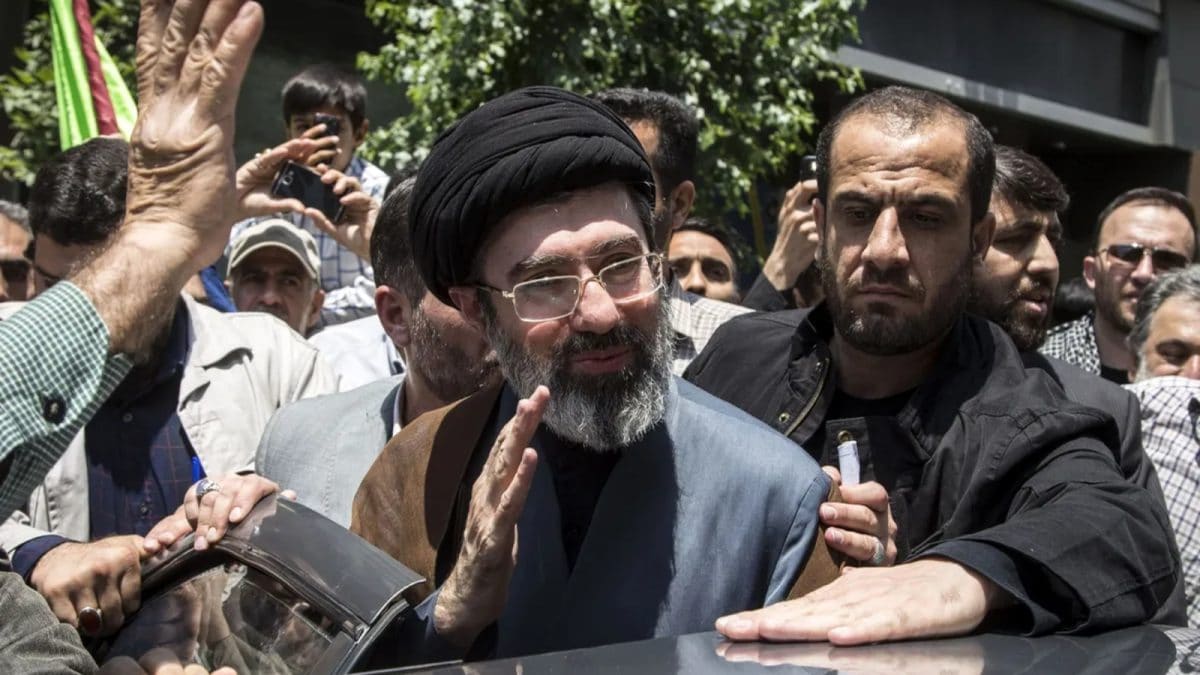
This Iranian perspective, the sources said, is framed by a backdrop of the ongoing conflict in the region, including the killing of Iran’s Supreme Leader Ayatollah Ali Khamenei and injuries to his successor. In response, Iran is increasingly asserting its regional strength and energy influence.
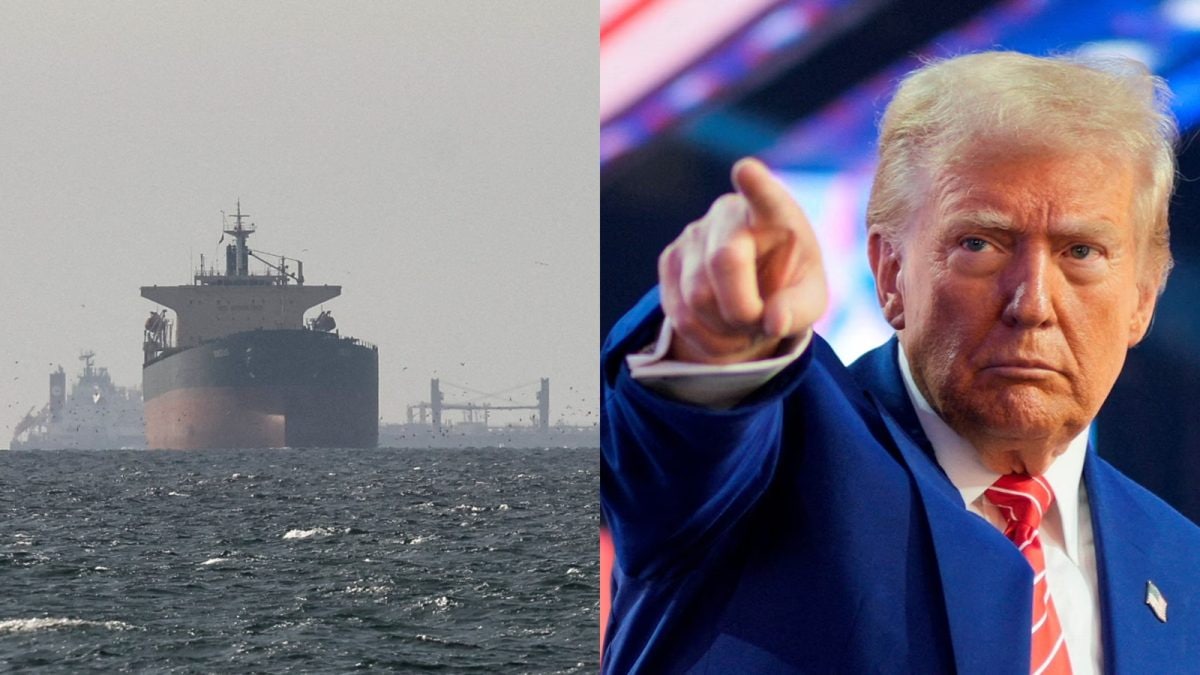
By demonstrating its ability to “disrupt global energy flows" through the closure of the Strait of Hormuz, Iran is projecting strength against its primary opponents, such as the US and Israel, as well as “brokers like Pakistan", the sources said. The assessment questions whether Pakistan can remain a stable partner or if it will continue to shift its foreign policy under the shadow of western influence and the requirements of its Sunni allies.
The sources said Iran’s “strong stand" is a clear signal that it no longer views routine Pakistani diplomacy as sufficient to bridge the widening chasm.
Handpicked stories, in your inbox
A newsletter with the best of our journalism
First Published:
April 10, 2026, 01:33 IST
News world 'Unreliable': Why Iran Is Wary Of Pakistan As Mediator Amid US Negotiations To End Conflict
Disclaimer: Comments reflect users’ views, not News18’s. Please keep discussions respectful and constructive. Abusive, defamatory, or illegal comments will be removed. News18 may disable any comment at its discretion. By posting, you agree to our Terms of Use and Privacy Policy.
Read More




 English (US) ·