

 2 days ago
11
2 days ago
11
ARTICLE AD BOX
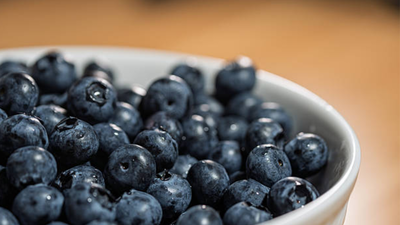
If you've got a bag of frozen blueberries sitting in your freezer right now, it's worth checking the label before your next smoothie.The CDC confirmed twelve people in two states have gotten sick from the same E.
coli strain linked to frozen blueberries. The source has been narrowed down to frozen GreenWise-brand organic blueberries sold at Publix, distributed by Frutas y Hortalizas del Sur S.A.
of San Carlos, Chile. So this isn't a "throw out anything blue and frozen" situation — it's specific, and that specificity actually matters for what you do next.
What got recalled, exactly
The affected product is the Frozen GreenWise Organic IQF Blueberries, 10 oz, with lot code 60401 and a best-by date of February 9, 2028. It was shipped to Publix stores across eight states: Alabama, Florida, Georgia, Kentucky, North Carolina, South Carolina, Tennessee, and Virginia. If your bag matches that description, the CDC's guidance is blunt: don't eat it, throw it away, or take it back to the store where you bought it.And here's the part people tend to skip, this isn't a "just rinse it off" fix. If you bought these blueberries, don't eat them even if you plan to cook them, because of the risk of cross-contamination. E. coli isn't sitting on the surface like dust. Cooking and washing can reduce risk with a lot of produce, but once a batch is flagged in an active recall, health officials want it out of your kitchen entirely, not decontaminated.
So what should you actually clean? Not the berries themselves, the stuff they touched. The CDC is telling people to wash any items and surfaces that may have come into contact with the recalled blueberries, using hot soapy water or running them through the dishwasher. Think cutting boards, blender parts, the shelf in your freezer, even the reusable bag you carried them home in. That's the cleaning step that actually matters here.
Why this keeps happening with frozen produce
Frozen fruit skips a step that fresh produce usually gets, a final wash right before you eat it, since most people pull it straight from the freezer into a blender or bowl. That's part of why outbreaks tied to frozen berries tend to hit harder than ones tied to fresh produce. There's no extra rinse standing between contamination and your mouth.If you're someone who eats a lot of frozen fruit and this recall doesn't apply to your bag, it's still not a bad habit to give frozen berries a quick rinse under cold water before eating them raw — not because it guarantees safety on a recalled product, but because it's a reasonable general practice for any frozen produce.
When to actually call a doctor
Symptoms can start anywhere from a few days after eating contaminated food up to nine days later, and typically include severe stomach cramps, diarrhea, fever, nausea, or vomiting. Most people recover on their own. But some infections turn serious — leading to bloody diarrhea or a type of kidney failure called hemolytic uremic syndrome, which shows up more often in children under five. If anyone in your house ate the recalled berries and starts feeling off, don't wait it out.
Call your doctor and mention the recall by name.









 English (US) ·