

 1 hour ago
5
1 hour ago
5
ARTICLE AD BOX
Last Updated:March 20, 2026, 19:02 IST
US assets are engaged in a "hunt and kill" mission targeting Iranian fast-attack boats, mine-laying vessels & one-way attack drones. Will Kharg island be involved? News18 explains


US President Donald Trump wants to reopen Strait of Hormuz. (AP File/CENTCOM)
The United States has deployed A-10 Warthog attack planes and AH-64 Apache helicopters to the Strait of Hormuz to counter Iranian threats and reopen the strategic waterway, the Wall Street Journal reported.
These assets are currently engaged in a “hunt and kill" mission targeting Iranian fast-attack boats, mine-laying vessels, and one-way attack drones that have disrupted global oil and LNG shipments. News18 explains the plan.
US has launched these aircraft, warplanes, helicopters
A-10 Thunderbolt II (Warthog): Utilising its 30mm nose-mounted cannon and precision bombs, the A-10 is specifically hunting Iranian fast-attack craft and destroying naval ammunition depots and mine storage facilities.
AH-64 Apache: These attack helicopters, operated by the U.S. Army, are being used to intercept Iranian drones and attack mobile maritime targets.
Fighter Jets: The US has also moved F-16, F-22, and F-35 fighter jets to regional bases to provide broader air superiority and strike capabilities.
What are the targets?
Targets include fast attack boats, drones, and mine-laying vessels.
Over 120 Iranian vessels and dozens of mine systems have reportedly been destroyed.
The goal is to clear the waterway and allow ships to pass safely again.
Is there a Kharg Island plan?
The Trump administration is considering plans to occupy or blockade Iran’s Kharg Island to pressure Iran to reopen the Strait of Hormuz, Axios reported on Friday, citing four sources with knowledge of the issue. “We need about a month to weaken the Iranians more with strikes, take the island and then get them by the balls and use it for negotiations," one source familiar with White House thinking told the news outlet.
Iran’s ‘Orphan Pearl’ Kharg Island Is Precious For The World Too: Why Trump Must Spare It Explained
Such an operation, should it be approved, would require a significant increase in US military involvement. Three different Marine units are already on their way to the region, and officials say the White House and Pentagon are considering sending even more troops, though no final decision has been made.
How long will it take to reopen Hormuz?
US officials say it could take weeks to fully secure the strait. Iran still has hidden mines, cruise missiles and small fast boats. Even after clearing, some risk to ships will remain.
Recent military actions
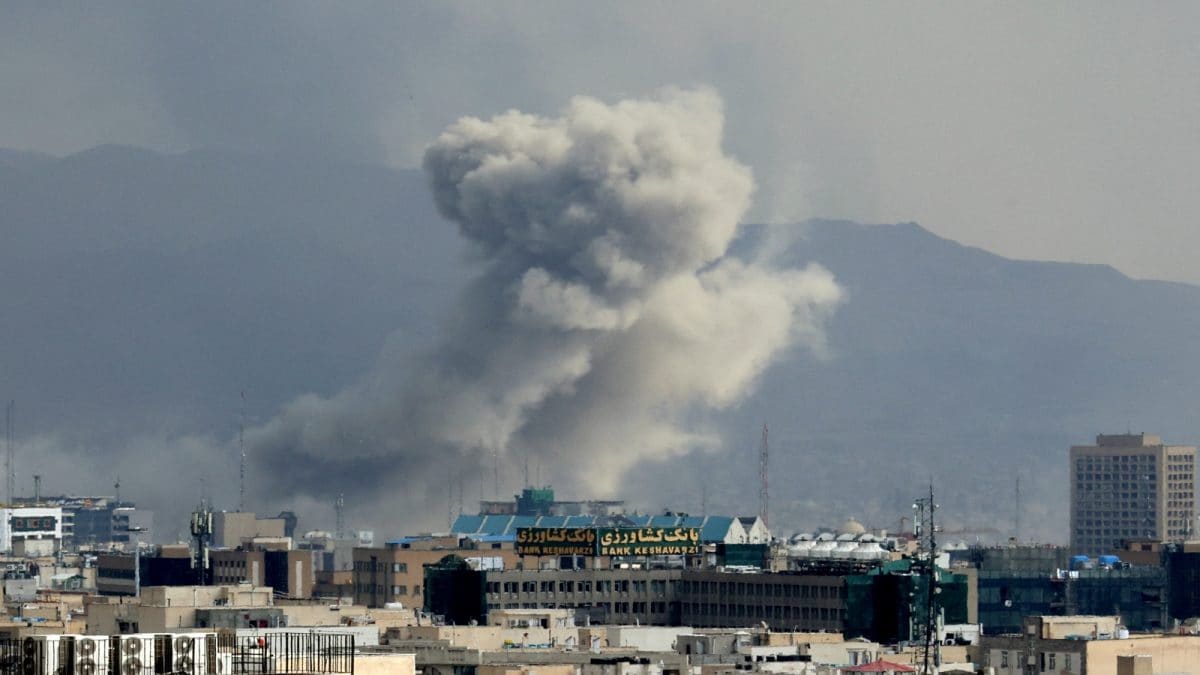
US forces have reportedly struck military facilities near Iran’s Chabahar Free Trade Zone and used 5,000lb penetrator bombs against Iranian missile sites to keep the strait open.
The US Central Command (CENTCOM) recently released video showing the destruction of Iranian naval targets in the passage, through which approximately 20% of the world’s oil transits.
Regional allies, including Saudi Arabia, Qatar, and the UAE, are also utilising their Apache fleets to handle drone threats in the Persian Gulf.
Why Strait of Hormuz should be reopened
The Strait of Hormuz is the world’s most critical energy chokepoint, and its current “near-total collapse" in traffic following the February 28 strikes on Iran has triggered a global crisis. Reopening the strait is considered essential for several urgent global and regional reasons:
Global Energy Security
The strait normally handles over 20% of the world’s total oil and gas shipments. Liquefied Natural Gas (LNG): It is the only route for roughly 20% to 25% of global LNG trade, primarily from Qatar, which many nations (especially in Europe and Asia) rely on for electricity and heating.
Since the disruption began, Brent crude oil prices have surged, peaking at $126 per barrel on March 8, 2026. Projections suggest prices could reach $200 per barrel if the blockage remains prolonged.
Regional and national economic survival
India is uniquely vulnerable, importing 80–85% of its Liquefied Petroleum Gas (LPG) through the strait. The current closure has caused a critical shortage for 333 million Indian households. Major producers like Saudi Arabia, Iraq, Kuwait, and the UAE rely on the strait to reach international markets. While some have pipelines that bypass Hormuz, these can only handle a fraction of their total export capacity. Approximately 84% of crude oil passing through the strait is destined for Asian markets like China, India, Japan, and South Korea.
Broader supply chain and trade impacts
War risk insurance premiums for the strait have increased 10–15 times the normal cost, making transit prohibitive for many commercial shipowners.
Beyond fuel, the strait is a vital corridor for fertilisers, food supplies, and raw materials. About one-third of the world’s fertiliser trade normally passes through this route.
Prolonged closure risks triggering global inflation, manufacturing slowdowns, and potential humanitarian crises in countries dependent on Middle Eastern imports.
KEY FAQs
What exactly is happening?
The United States has launched a major military operation using warplanes (like A-10 Warthogs) and Apache helicopters to target Iranian naval threats in and around the Strait of Hormuz.
Why is the Strait of Hormuz so important?
The Strait of Hormuz is one of the most critical chokepoints in the world. About 20% of global oil and LNG passes through it. Iran effectively blocked or threatened shipping since early March. Tanker traffic dropped sharply, and oil prices surged above $100/barrel.
Will the operation succeed quickly?
US officials say it could take weeks to fully secure the strait.
With agency inputs
First Published:
March 20, 2026, 19:02 IST
News explainers US On A Mission To Reopen Hormuz: Planes, Choppers Launched, How Long Will It Take?
Disclaimer: Comments reflect users’ views, not News18’s. Please keep discussions respectful and constructive. Abusive, defamatory, or illegal comments will be removed. News18 may disable any comment at its discretion. By posting, you agree to our Terms of Use and Privacy Policy.
Read More





 English (US) ·