

 2 weeks ago
3
2 weeks ago
3
ARTICLE AD BOX
Last Updated:May 07, 2026, 17:45 IST
A hung Assembly happens when no single party or alliance gets enough seats to cross the majority mark.


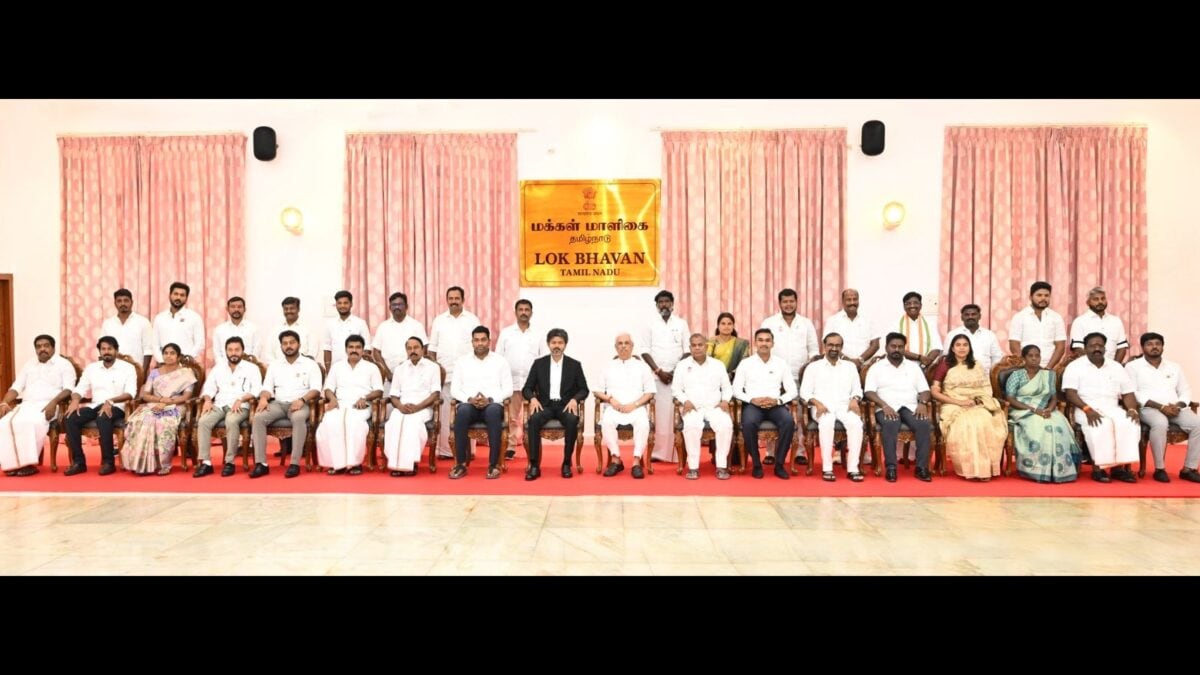
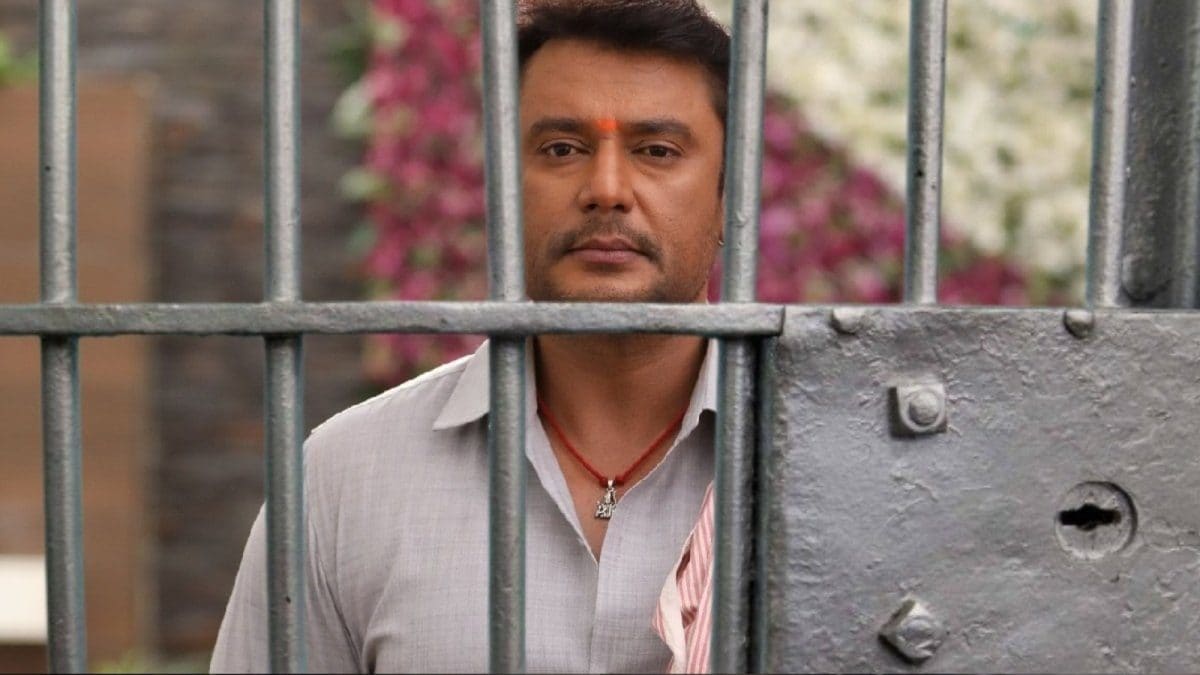
TVK chief Vijay meets Tamil Nadu governor Rajendra V Arlekar. (IMAGE: SOURCED)
Tamil Nadu Government Formation: Tamil Nadu Governor Rajendra Vishwanath Arlekar on Thursday once again declined TVK chief Vijay’s claim to form the government, saying the party had still not shown enough support to prove a majority in the Assembly.
During the meeting at Lok Bhavan, the Governor asked the actor-turned-politician whether his claim was based only on the expectation that smaller parties might support him later. He also raised concerns about the stability of such a government.
The Governor asked Vijay to show how he will prove a majority on the floor of the house and letters of support from the parties that he has indicated are supporting him.
TVK, however, urged the Governor to reconsider its request, arguing that there have been earlier instances where the single largest party was invited to form the government even without a clear majority. The party also told the Governor that it was confident of proving its numbers during a floor test in the Assembly.
What Tamil Nadu Numbers Say?
TVK emerged as the single largest party in the 234-member Tamil Nadu Assembly with 108 seats, but it is still short of the 117 seats needed for a majority. Since Vijay won from two constituencies, he will have to vacate one seat, reducing the party’s effective strength to 107.
As a result, TVK now needs support from other parties or independents to reach the majority mark, though the final alliance picture is still unclear.
However, the question arises what’s the Governor’s role when no party gets a clear majority in an election, and how Governors have handled similar political situations in the past?
What Does The Governor Do In A Hung Assembly?
A hung Assembly happens when no single party or alliance gets enough seats to cross the majority mark.
In such situations, the Governor decides whom to invite first to form the government. Usually, the Governor’s role is to ensure that a stable government is formed.
The Governor can ask a party leader to show letters of support from allies before inviting them to take oath. However, it is argued that majority should be tested on the floor of the Assembly.
The Governor can also refer to Sarkaria and Punchhi commissions norms.
What Do The Sarkaria Commission Guidelines Say?
The Sarkaria Commission, set up in 1983 to study Centre-state relations, laid down guidelines for Governors in case of a hung Assembly.
It said the Governor should first invite:
- A pre-poll alliance with majority support.
- The single largest party that can gather support from others.
- A post-poll coalition with majority support.
- A post-poll alliance receiving outside support.
The Commission also clearly stated that the Governor should avoid deciding majority support outside the Assembly and should ideally allow a floor test in the House within 30 days.
What Did The Punchhi Commission Recommend?
The Punchhi Commission, formed in 2007, also recommended rules to limit the Governor’s discretionary powers.
It suggested the following order for inviting parties to form government:
- Largest pre-poll alliance
- Single largest party with support of others
- Post-poll coalition where all partners join government
- Post-poll alliance with outside support
Governors Often Face Criticism
Governors have frequently faced allegations of bias in hung Assembly situations, especially when different political parties are in power at the Centre and in states.
In 2017, in Goa and Manipur, the Congress emerged as the single largest party, but Governors invited the BJP after it secured support from smaller parties.
In Karnataka in 2018, the BJP emerged as the single largest party and was invited to form the government first. However, after the Congress and JD(S) formed an alliance and approached the court, BJP leader B S Yediyurappa resigned before the floor test.
What Happens Next In Tamil Nadu?
For now, TVK continues talks with smaller parties to cross the majority mark. If Vijay is able to show support from at least 117 MLAs, the Governor may invite him to form the government and take oath as Chief Minister.
If Vijay and the Congress have submitted formal letters of support that cross the magic number, constitutional morality dictates that they be allowed to prove their strength in a floor test. If the numbers remain uncertain, the political deadlock in Tamil Nadu could continue.
Handpicked stories, in your inbox
A newsletter with the best of our journalism
News india Vijay’s Government Formation Bid Stuck In Tamil Nadu: What Are Governor’s Powers
Disclaimer: Comments reflect users’ views, not News18’s. Please keep discussions respectful and constructive. Abusive, defamatory, or illegal comments will be removed. News18 may disable any comment at its discretion. By posting, you agree to our Terms of Use and Privacy Policy.
Read More




 English (US) ·