

 1 hour ago
5
1 hour ago
5
ARTICLE AD BOX
4 min readFeb 21, 2026 04:23 PM IST
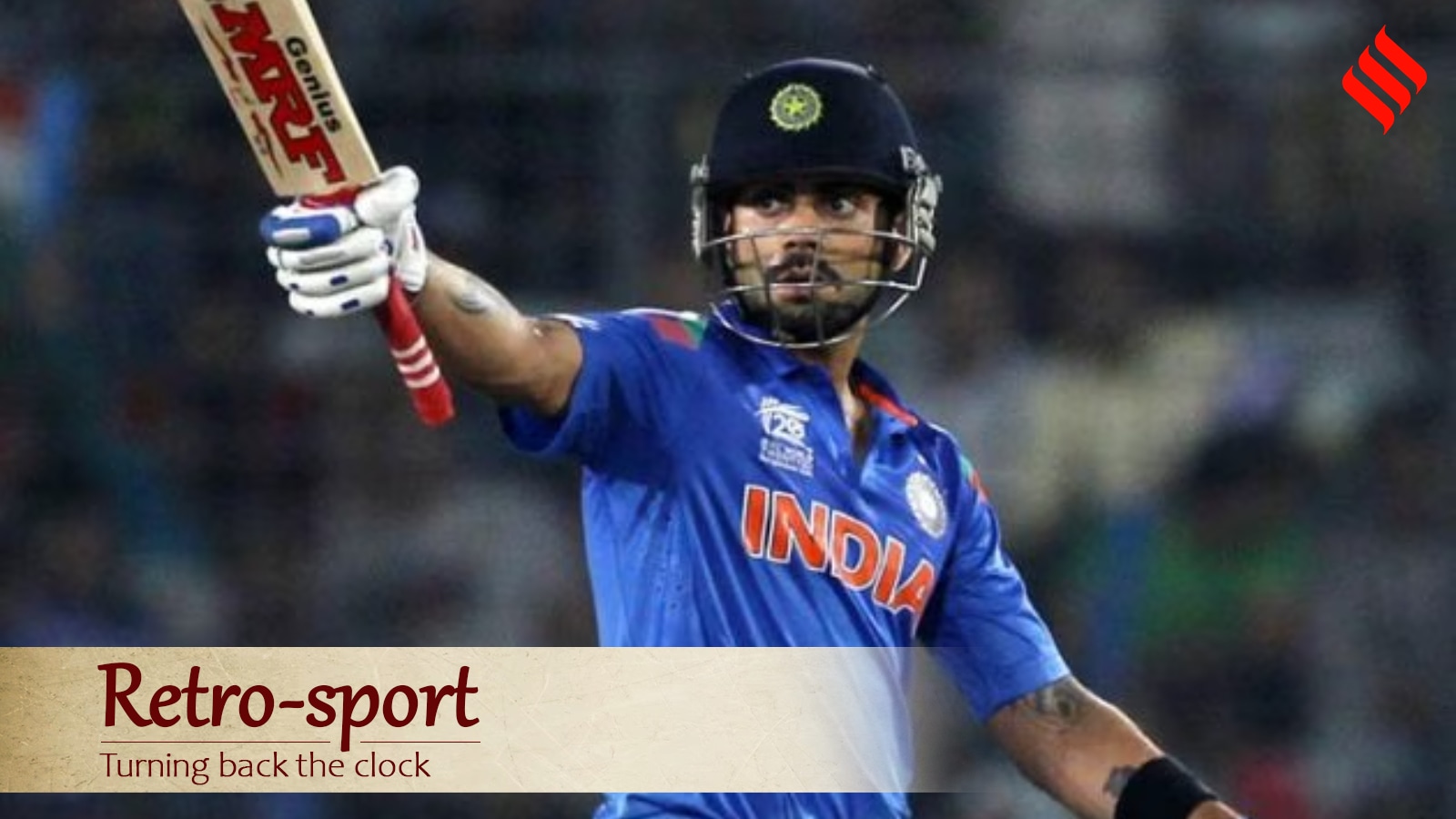 Kohli's unbeaten 72 from 44 deliveries was not just about the numbers; it was about how he managed the chase with assurance, balancing caution and aggression at the right times. (Reuters)
In April 2014, Virat Kohli was already regarded as one of India’s brightest batting talents, but his T20 reputation was still taking shape. He had shown glimpses of his chase master reputation in 50-overs cricket, yet a World Cup knockout demanded something more decisive. The semi-final against South Africa in Dhaka became that moment – an innings that elevated his standing as a white-ball batter and reinforced his reputation for delivering under pressure.
ARTICLE CONTINUES BELOW VIDEO
India entered the semi-final with momentum on their side, but their bowling effort that evening left them chasing a stiff target. South Africa posted 172/4, a total built on steady scoring rather than outright domination. For India, the concern was not just the number on the board but the way the innings had unfolded – they had struggled to consistently contain the run flow despite a fine spell of 3/22 from Ravichandran Ashwin.
At that stage of his career, Kohli’s batting had begun evolving into something defined by control and clarity in run chases. He was not yet the fully finished T20 product he would later become, but the traits that would define him were already visible: pacing an innings, identifying bowlers to target and remaining calm in tense moments. Against South Africa, those qualities came together in one of the defining knocks of the tournament.
India’s pursuit of 173 never quite felt straightforward. Early partnerships helped, but the required rate remained within touching distance, meaning one tight over could have shifted the game. Kohli responded by building the chase methodically. Instead of forcing the pace early, he rotated strike, picked his moments and ensured India never drifted too far behind the equation. Gradually, the pressure began to swing back onto South Africa’s bowlers.
As the innings progressed, Kohli opened up, threading boundaries and finding gaps with growing confidence. His unbeaten 72 from 44 deliveries was not just about the numbers; it was about how he managed the chase with assurance, balancing caution and aggression at the right times. By the time India crossed the finish line in the 19th over, the contest had effectively become a showcase of Kohli’s ability to anchor and accelerate in equal measure.
“Depending on the importance of the match, yes, you can say it is my best T20 innings. But I have struck the ball better in T20s in other games. I have also timed the ball better than I did today and have managed to score five or six boundaries very fast. Today it was difficult as I had to work hard for the knock. But as per the importance of the game, this knock tops it,” the right-hander said after the match.
There was also a timely contribution from Suresh Raina, whose brisk cameo in the end overs helped keep the scoreboard moving and prevented South Africa from tightening their grip. His quick runs ensured the chase retained momentum and allowed Kohli to continue dictating the tempo.
Story continues below this ad
In hindsight, the innings became one of the performances that cemented Kohli’s reputation in T20 cricket. It highlighted a batter who understood the rhythm of a chase and thrived in knockout situations. India would go on to lose in the final, but the semi-final in Dhaka remains a pivotal chapter – the night Kohli’s calm authority in high-pressure T20 cricket came into focus.



 English (US) ·