

 5 days ago
4
5 days ago
4
ARTICLE AD BOX
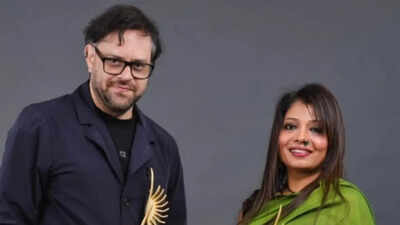
Garima Wahal and Siddharth Singh, the filmmaker duo, known as Siddharth-Garima, began their Bollywood journey as writers and lyricists on Sanjay Leela Bhansali’s 2013 blockbuster Goliyon Ki Raasleela Ram-Leela, have since evolved into directors with their own films, Dukaan and Saale Aashiq.
We recently had the privilege of sitting down with them to discuss their cinematic journey, creative repertoire, and their candid views on the current state of the entertainment industry.
Excerpts:
Q. You often explore serious topics in your films like Dukaan and Saale Aashiq. What draws you to such taboo subjects?
Garima: We are trying to experiment by blending realism and research with commerce. Who says that a ‘rural idea only has to be made in a rural setting or turn it into an arthouse film?’ This is where Dukaan comes in, which is a very personal topic of surrogacy. Siddharth: We tend to make films on the wounds of society because they need healing. Topics like honour killing or the umbrella ban on surrogacy need a touch of a fresh perspective.
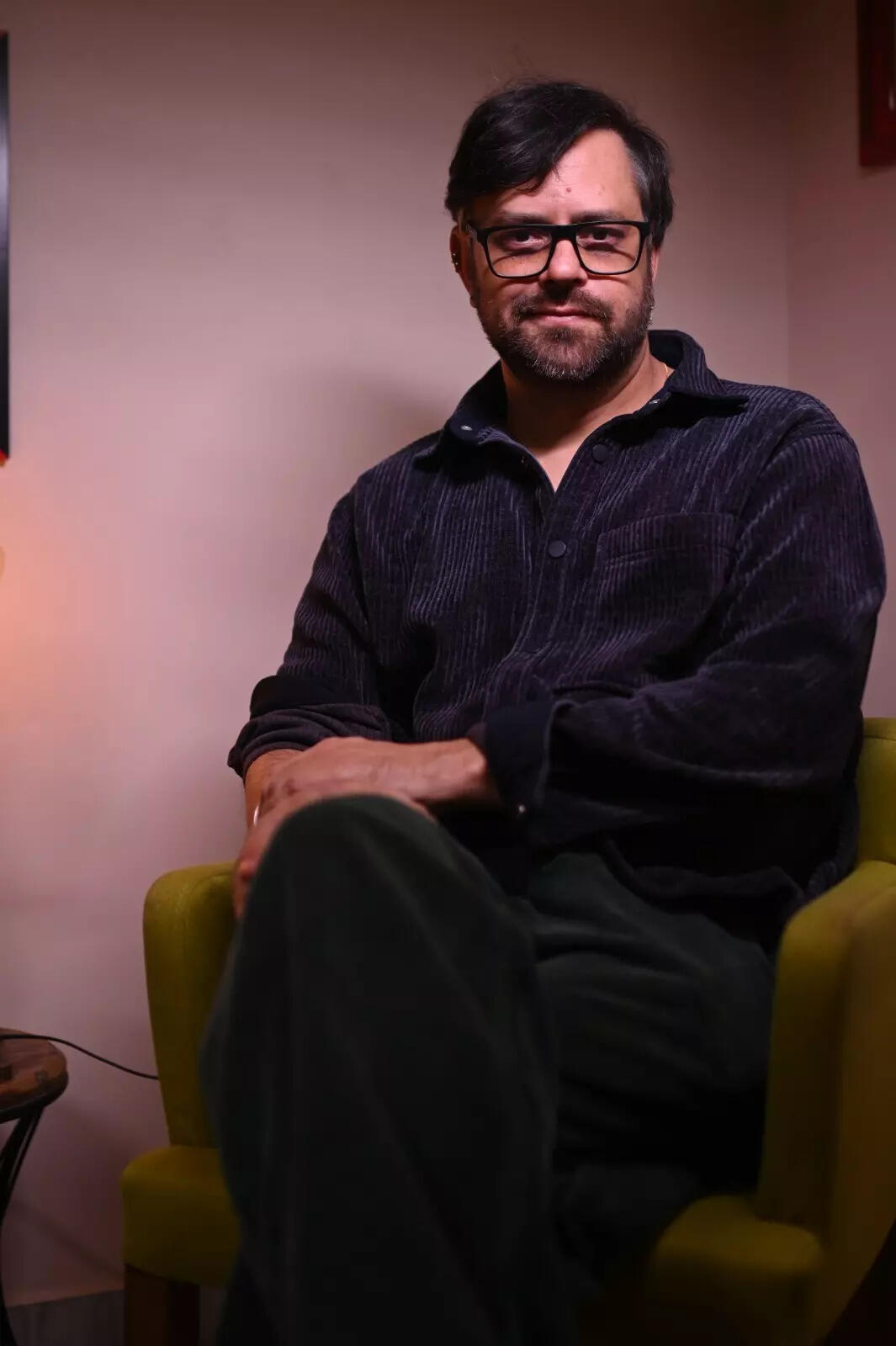
Q. Aamir Khan recently criticised OTT releases with his film Sitaare Zameen Par, which he released on YouTube. Do you think a star like Aamir taking a stand against OTT might bring about a change?
Garima: Absolutely, at last someone has recognised that this trend is harming the industry. Aamir sir was the first, and we’ve felt the same for a long time. I wonder why more producers haven’t spoken out. What Aamir sir did was on behalf of the entire industry.
We stand firmly behind him.
Q. Deepika Padukone recently withdrew from two of Prabhas’ films, Spirit and Kalki 2, latter of which cited her lack of commitment to the project. Do you think actors today have become overly arrogant, or are producers and studios growing intolerant?
Siddharth: A wise man once said, “With great power comes great responsibility,” but not everyone lives by it. Success is being taken for granted. For a filmmaker, a film is like their child. You can’t say you’ll only give eight hours a day while spending two hours getting ready. If you are not willing to understand because it’s not your baby, then how do you expect the other person to compromise? Garima: At the same time, it’s a personal choice. If I decide tomorrow to get married or have a child, that’s mine to make. In any profession, maternity leave or limited time off is a norm. Why should our industry be any different? The irony is, when actors are struggling, they’ll do 18-hour shifts. Once successful, they forget it was someone else who backed their dream. What got lost in the noise was the breach of trust between an actor and director.
Instead, people were fixated on work hours, or worse, indulged in slut-shaming, saying “she can do it because she’s done this before.” By that logic, she was doing the exact same thing in Gehraiyaan.
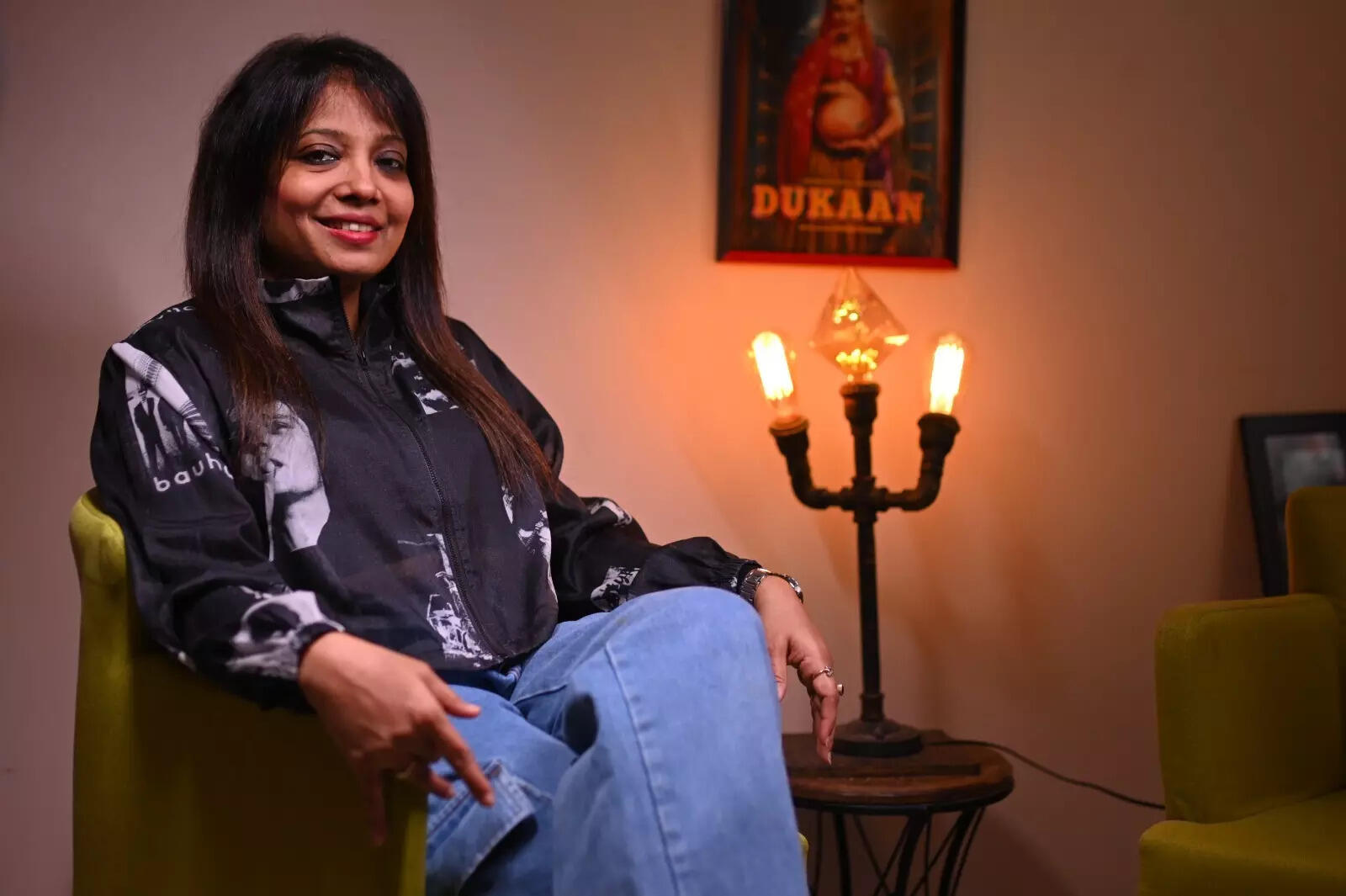
Q. Many say directors, producers, and even actors often tweak scripts without informing the writers. Do you think that’s acceptable?
Garima: If Sanjay Leela Bhansali sir wants us to write a script or even a song, he’ll call before changing the tense of a single word. That’s what makes him a great filmmaker. He is conscious of a writer’s contribution to the project. Siddharth: Exactly. That’s why he’s Sanjay Leela Bhansali and not just another name. Too many others dismiss writers with a casual, “You weren’t on set, so we changed a lot of things.” Garima: Filmmaking is never a one-man show. A writer’s script, a director’s vision, an actor’s performance, a producer’s resources—they all matter equally. Undermining one to glorify another is problematic. And with scripts, even a single word can flip the entire meaning of a film.
That’s how delicate it is.
Q. You guys went from being writers and lyricists to directors. Do you feel writers are getting the recognition they deserve?
Garima: Writers are like the farmers of this industry. Just like farmers feed the country, writers feed the entertainment world. Without us, there’s nothing but a blank page. And filling that page in a way that moves people is not easy. Yet, instead of respect or fair pay, writers are often ignored. Screenwriters should actually be called filmmakers. Payment is another issue. Writers are hired first with only a tiny signing amount, and then wait endlessly for the rest.
Only a handful of producers actually pay on time. Siddharth: Everyone knows who the star of a film is, or who directed it. But people rarely ever know who wrote it. And then there’s too many directors who can’t write still claim they’ve written the film. They’ll say, “I was writing with my writers.” No—you were ‘listening.’ If there are people to write the story, screenplay, and dialogues, then what exactly did the director write? Yet the credit often says “Written and Directed by…” That’s unfair.
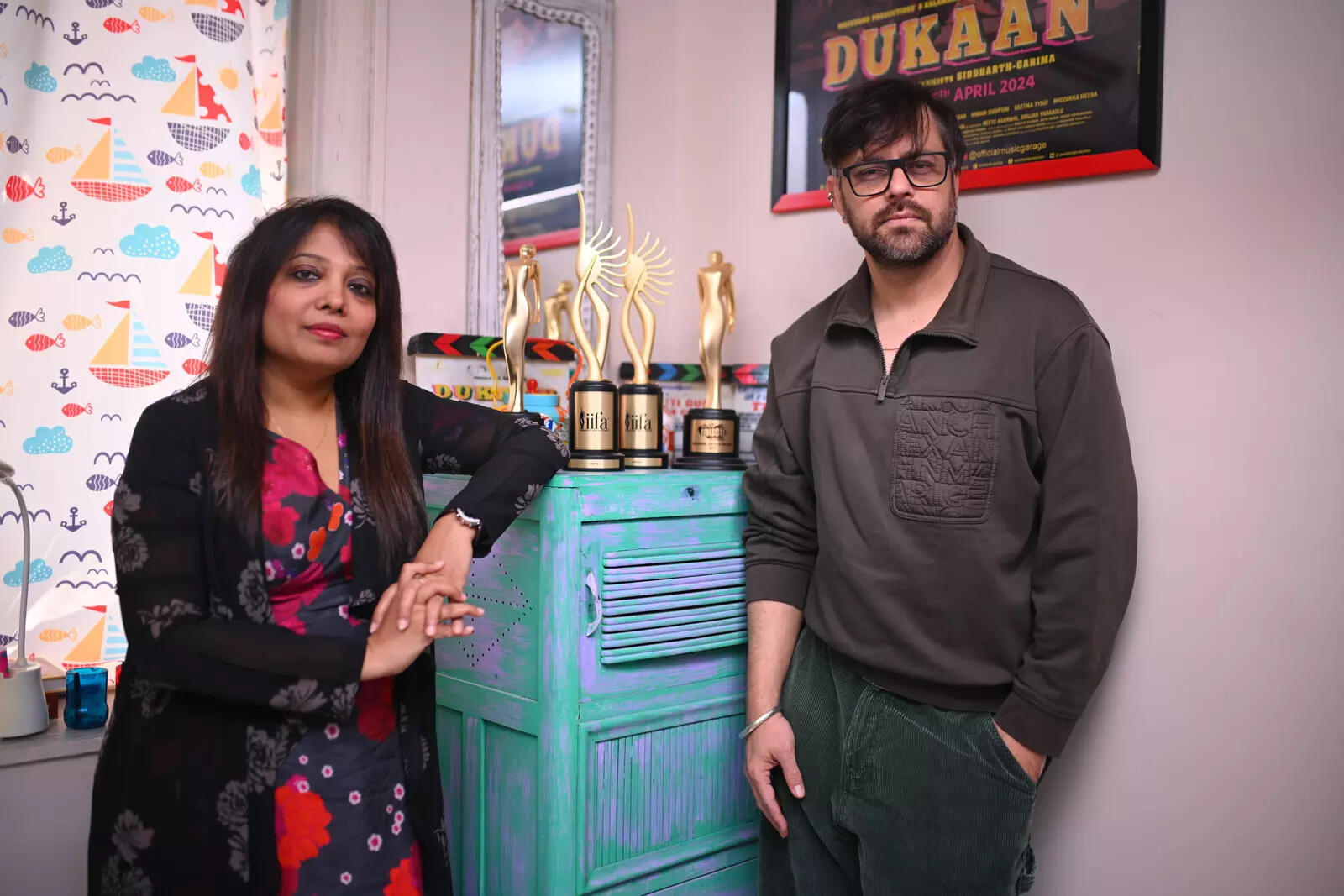
Q. There’s talk of actors demanding multiple vanity vans—sometimes six or seven—and Aamir Khan recently criticised this trend. Why do you think it’s become so common?
Garima: We recently asked Javed saab why the industry is headed this way, and he said just one line, “Paisa bahut hai.” Sometimes a film doesn’t need such massive spending, but billions are poured in anyway just to prove it’s a ‘magnum opus,’ with 36 vanity vans on set, endless luxuries. But when money is limited, you’re forced to focus on the movie itself. With Dukaan, we didn’t exceed a single day of shoot, and our budget wasn’t even in double-digit crores.
Even with Saale Aashiq, we kept it tight. Siddharth: This started when corporates entered the film business. They pumped in big money and started giving stars everything they wanted. If you set that standard, you can’t complain later about inflated budgets. At the end of the day, money should be invested where it makes a contribution to the film.






 English (US) ·