

 1 hour ago
5
1 hour ago
5
ARTICLE AD BOX
Last Updated:April 06, 2026, 13:51 IST
Iran has signalled a cautious stance on negotiations, saying any decision will be taken only if diplomacy secures the interests of the Iranian people.


A woman walks past a banner depicting Iran's new supreme leader Ayatollah Mojtaba Khamenei (Photo: AFP)
Iran’s first response to the emerging diplomatic push for negotiations has struck a cautious note, with Tehran underscoring its reluctance to repeat what it described as a “very negative experience" involving a recurring cycle of war, ceasefire, negotiations and renewed conflict.
The remark indicates Iran’s guarded approach even as reports suggest a framework for a potential ceasefire is being discussed through backchannel engagement.
LIVE Updates On The US-Iran War
Dr Mohammad Fathali, Ambassador of the Islamic Republic of Iran to India, highlighted that Iran remains wary of short-term arrangements that may not ensure durable peace.
He said, “It should be emphasised that we have had a very negative experience with the flawed cycle of war, ceasefire, negotiations, and then renewed war."
He added that Iranian officials are carefully working to ensure that such a pattern is not repeated, signalling Tehran’s intent to avoid agreements that may only offer temporary de-escalation without addressing long-term strategic concerns.
DECISIONS TO BE TAKEN WITHIN POLICY FRAMEWORK
On Iran’s current position on negotiations, Fathali stressed that any decision on entering talks will be made within the country’s institutional policy structure.
“Decisions regarding entering any form of negotiations are made within the framework of overarching policies and with the input of the highest decision-making bodies," he said.
He further emphasised that diplomacy remains a possibility if it aligns with national interest, stating, “whenever it is determined that the interests of the Iranian people can be secured through diplomacy, the necessary steps will be taken."
TWO-PHASE FRAMEWORK FOR CEASEFIRE UNDER DISCUSSION
According to Reuters, the United States and Iran have received a framework of a proposal aimed at ending hostilities.
The plan reportedly involves a two-tier structure, beginning with an immediate ceasefire followed by negotiations on a comprehensive agreement intended to permanently end the conflict.
Pakistan’s army chief, Field Marshal Asim Munir, has reportedly been in contact with senior officials, including US Vice President JD Vance, special envoy Steve Witkoff and Iranian Foreign Minister Abbas Araqchi, as mediators continue efforts to bridge differences between the sides.
Separate reports suggest discussions have included the possibility of a 45-day ceasefire window as part of the initial phase of a broader diplomatic understanding.
IRAN’S POSITION ON STRAIT OF HORMUZ
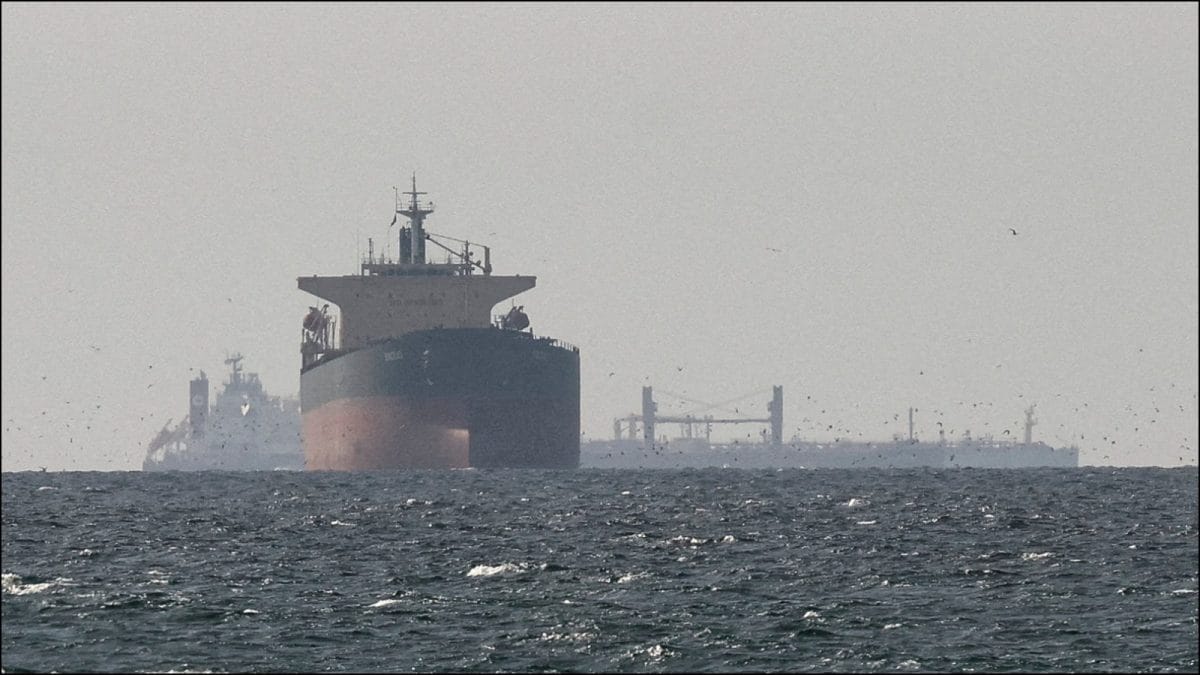
Even as diplomatic engagement appears to be gaining traction, Iran has indicated that reopening the Strait of Hormuz will not be part of any temporary ceasefire arrangement.
A senior Iranian official told Reuters that Tehran will not accept externally imposed deadlines while it reviews the proposal.
The Strait of Hormuz remains a critical global energy corridor, accounting for nearly one-fifth of global oil and natural gas supply.
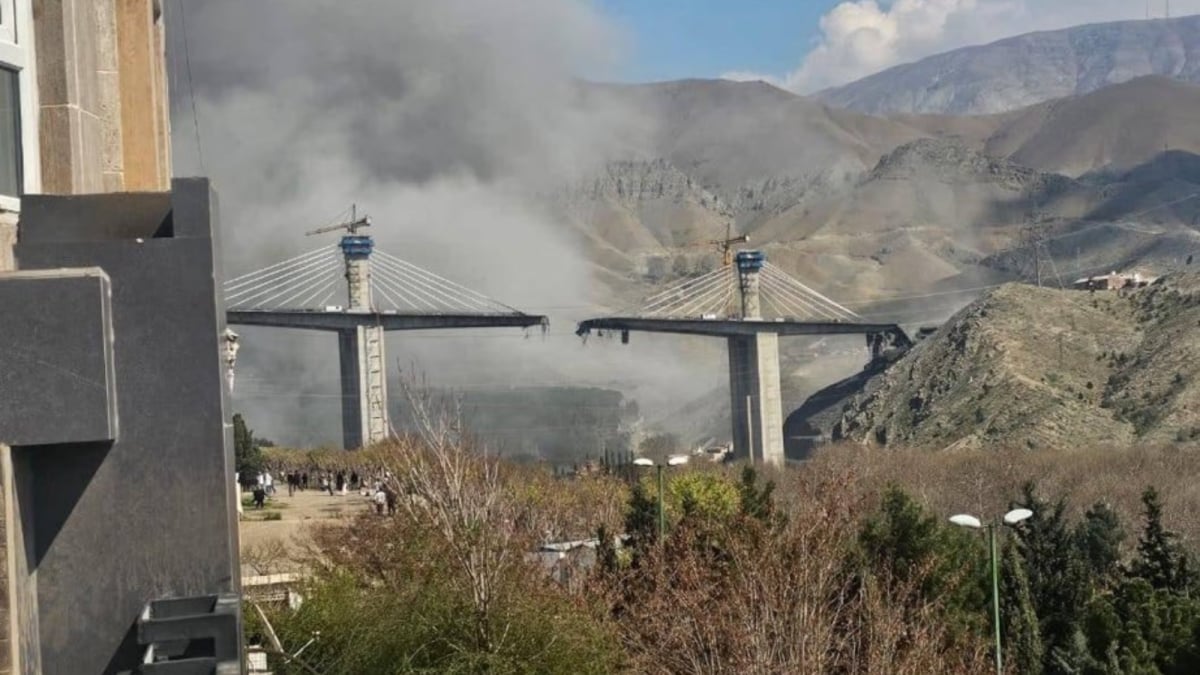
Iran had effectively moved to restrict passage through the waterway in response to continued aerial strikes by the United States and Israel.
The conflict, now in its sixth week, has resulted in casualties and significant economic repercussions, particularly through volatility in global oil prices due to fears of supply disruption.
ESCALATION RISKS CONTINUE DESPITE DIPLOMATIC PUSH
US President Donald Trump has warned of further strikes on Iranian energy and transport infrastructure if Tehran does not agree to a deal and reopen the Strait, underlining the high-stakes nature of the ongoing negotiations.
Meanwhile, fresh aerial strikes were reported across the region on Monday, reflecting the fragile security environment even as mediators work to secure a pause in hostilities.
Iran has also launched retaliatory attacks targeting Israel, US military installations and energy infrastructure in the Gulf region.
ALSO READ | Trump Says He Gave Iran Negotiators ‘Immunity From Death’, Claims ‘Key Points Resolved’
First Published:
April 06, 2026, 13:47 IST
News world 'We've Had Very Bad Experience With Negotiations': Iran's First Reaction On Peace Talks With US
Disclaimer: Comments reflect users’ views, not News18’s. Please keep discussions respectful and constructive. Abusive, defamatory, or illegal comments will be removed. News18 may disable any comment at its discretion. By posting, you agree to our Terms of Use and Privacy Policy.
Read More


 English (US) ·