

 1 day ago
6
1 day ago
6
ARTICLE AD BOX
Last Updated:April 02, 2026, 14:37 IST
TMC dominates both Rashbehari and Asansol Uttar, but Rashbehari shows stable urban support while Asansol Uttar sees stronger BJP challenge amid industrial urban competition


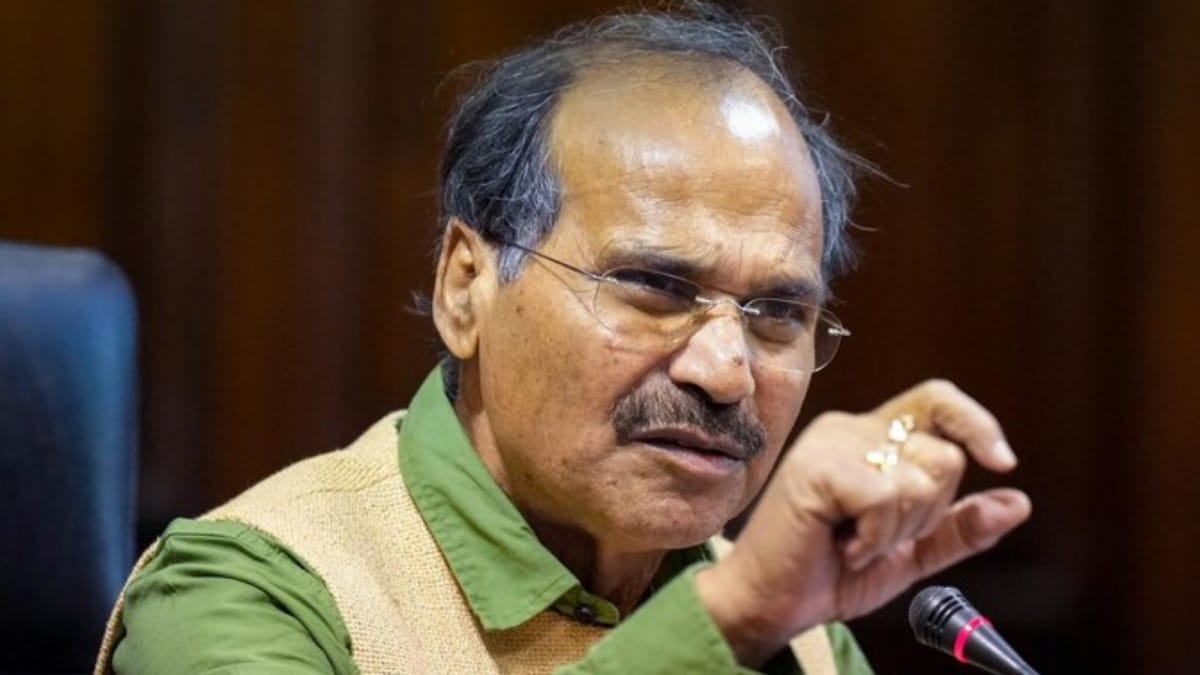
The West Bengal Assembly elections will witness a high-stakes clash between the BJP and the Trinamool Congress. (Image: PTI/File)
A comparison of Rashbehari in Kolkata and Asansol Uttar in Paschim Bardhaman highlights two distinct electoral patterns in West Bengal, one marked by urban consolidation and the other by competitive shifts beneath a dominant ruling party.
In Asansol Uttar, the Trinamool Congress (TMC) has maintained a consistent hold on the seat since 2011, with Moloy Ghatak winning successive elections, including in 2021 with over 1 lakh votes and a margin of more than 21,000 against the BJP.
Despite this dominance, the constituency has seen a steady rise of the BJP as the principal challenger, especially in Lok Sabha elections, indicating a split voting behaviour between state and national polls.
Asansol Uttar is a fully urban, industrial constituency, with a diverse electorate shaped by coal belt economics, migrant populations and mixed demographics.
This has made it a battleground where TMC retains organisational strength, but underlying political competition remains alive.
In contrast, Rashbehari, located in south Kolkata, reflects a more consolidated urban voting pattern favouring the TMC. The party won the seat in 2021 with over 65,000 votes and a margin exceeding 21,000, comfortably ahead of the BJP.
Unlike Asansol, Rashbehari has shown less volatility, with TMC maintaining control across multiple election cycles.
The constituency represents a metropolitan, middle-class electorate where organisational continuity and urban governance narratives appear to favour the ruling party.
Key Takeaways
TMC dominance in both seats, but with different dynamics: stable in Rashbehari, competitive undercurrents in Asansol.
BJP’s presence is stronger in Asansol Uttar, particularly in parliamentary trends, compared to its relatively weaker footing in Rashbehari.
Urban vs industrial contrast: Kolkata’s Rashbehari reflects consolidated urban voting, while Asansol’s industrial character creates space for electoral contestation.
Overall, the two constituencies underline how West Bengal’s electoral landscape is not uniform — with geography, class composition and economic context shaping political outcomes differently even within urban seats.
Keyword: West Bengal elections, Rashbehari constituency, Asansol Uttar constituency, TMC vs BJP West Bengal, West Bengal election analysis, Kolkata Rashbehari seat, Asansol Uttar voting pattern, TMC strongholds West Bengal, BJP performance West Bengal, urban vs industrial constituencies Bengal, Rashbehari vs Asansol Uttar analysis, West Bengal urban voting trends
First Published:
April 02, 2026, 14:37 IST
News india West Bengal Polls: Urban Rashbehari Vs Industrial Asansol Show Contrasting Political Trends
Disclaimer: Comments reflect users’ views, not News18’s. Please keep discussions respectful and constructive. Abusive, defamatory, or illegal comments will be removed. News18 may disable any comment at its discretion. By posting, you agree to our Terms of Use and Privacy Policy.
Read More







 English (US) ·