

 1 hour ago
3
1 hour ago
3
ARTICLE AD BOX
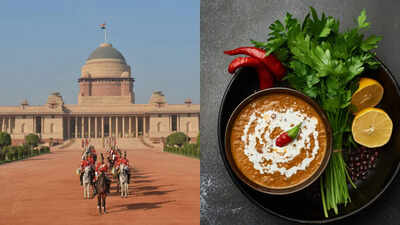
Dal Makhani, Maa Ki Dal, Dal Fry, Muradabadi Dal, Tadka Dal and many more—we have often heard of these dal varieties at restaurants, cafes and dhabas. But, have you ever heard of the dish called Dal Raisina? Yes, it is a dish exclusive to the Rashtrapati Bhavan and is an iconic dish that the regal menu of the majestic place offers.
Scroll down to read the details.
What is Dal Raisina
According to a report by The Print, Dal Raisina is a culinary invention of Rashtrapati Bhavan, prepared with ingredients such as urad dal (black gram), rajma (kidney beans), and kasuri methi along with other spices, tomato, saffron, and cream.
When was it added to the menu
The report states that the dish was first invented in 2010 by Machindra Kasture, who was the executive chef to the President in Rashtrapati Bhavan then.
Why was Dal Raisina invented
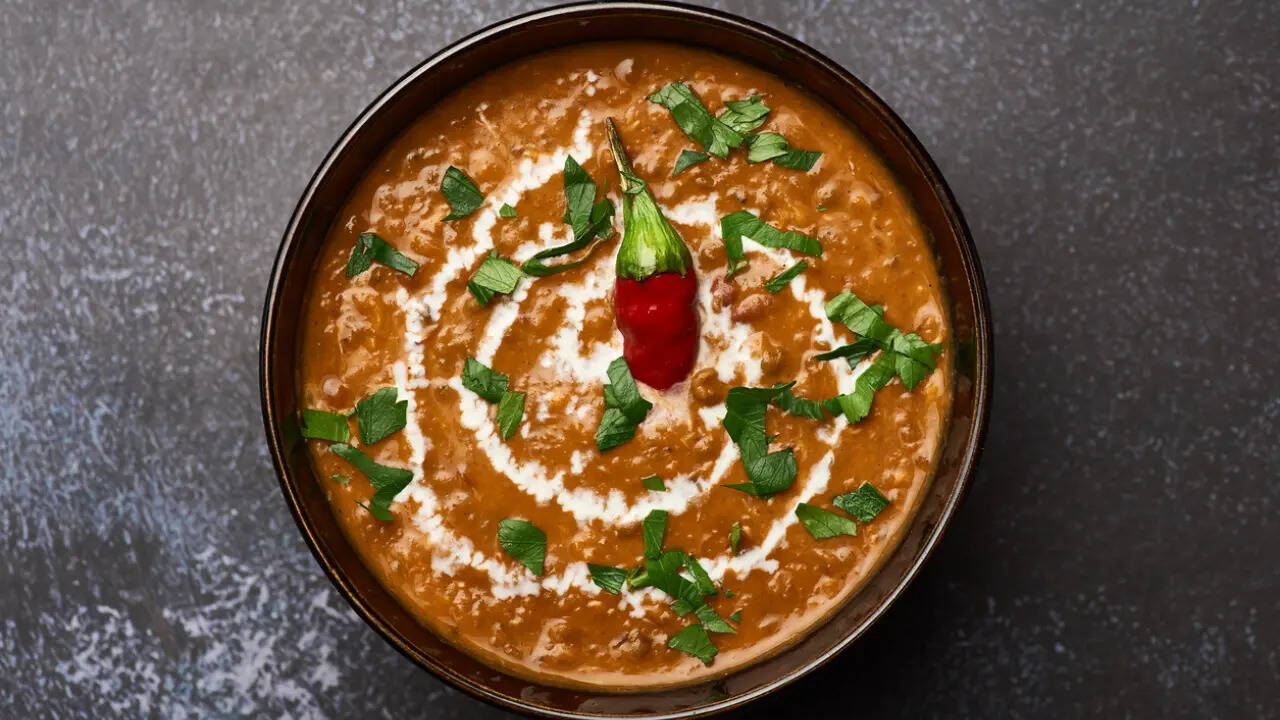
Chef Machindra Kasture always loved innovating and experimenting in the Rashtrapati Bhavan kitchen and Dal Raisina was created on one such occasion.
What makes Dal Raisina so special
According to Chef Kasture, it is the use of kasuri methi that adds depth and a smoky flavour to the dal preparation and it takes almost 6-8 hours to cook this dal under constant monitoring. The same report also states that Chef Monty Saini, who has also worked as the executive chef to the President of India says that it takes no less than 2 days to prepare the dal.
And the official spokesperson for Rashtrapati Bhavan mentioned that this speciality of Rashtrapati Bhavan’s kitchen, is cooked for about 48 hours and its main ingredients are brought from Lucknow.
Urad Dal and its history
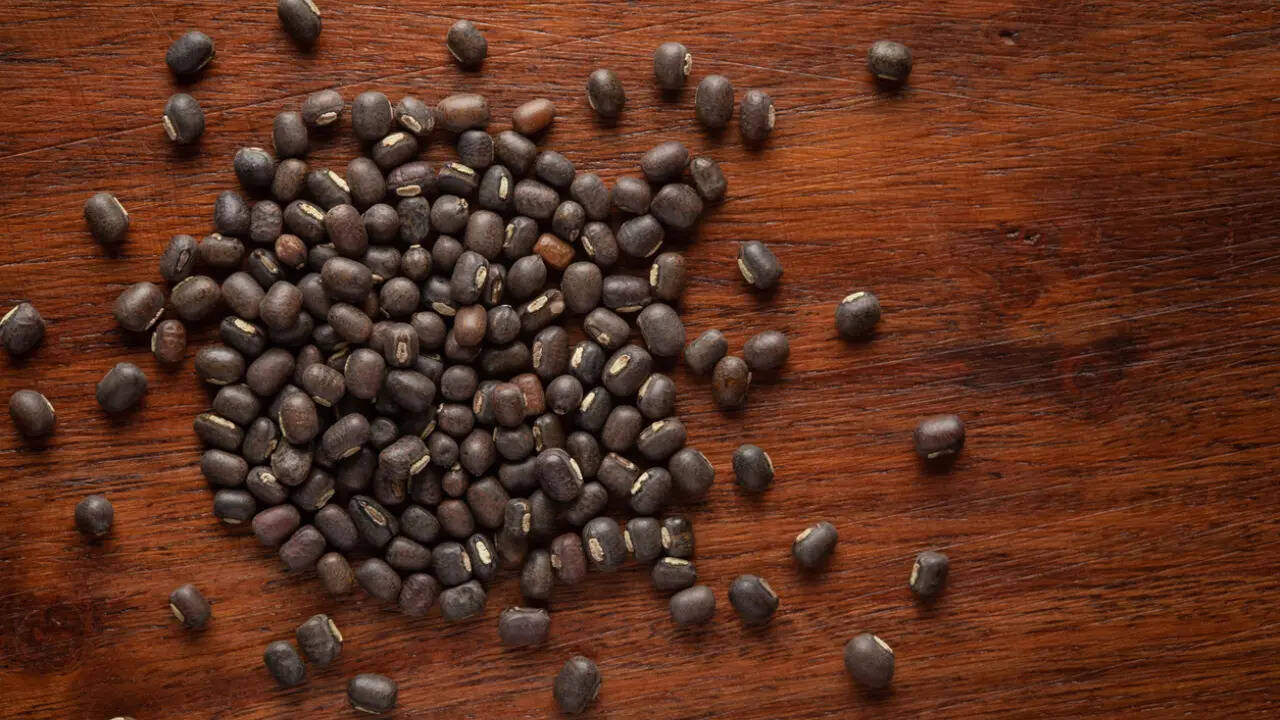
According to the book A History of Food in India, urad dal was cultivated in the grasslands of South India, starting in the “early to third millennium BCE”. The earliest variety of black gram is said to be grown on the Western Ghats, which runs along the western edge of India.
It is also said that when the Indus River Valley Civilization was blooming, vigna mungo var. silvestris was being cultivated and developed into the domesticated variety of Vigna mungo L.
that we know today. Archaeologists have found evidence that the earliest cultivation of black gram took place in the region of Gujarat, at the top north end of the Western Ghats. From there it spread to other nearby areas. In the ancient literature of Sanskrit, the word for black gram was masha, and we see this word appear multiple times in one of the most sacred early texts of India, the Mahabharata.
Rajma and its history
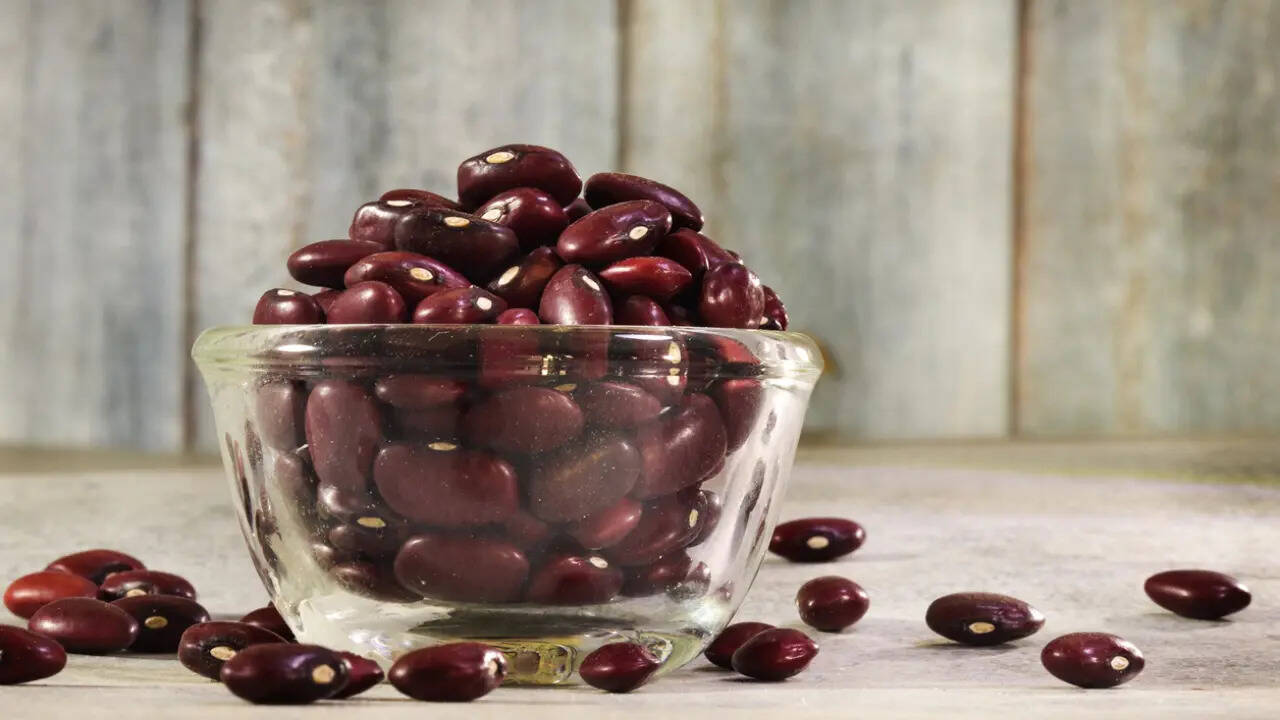
It is said that rajma was first cultivated over 8,000 years ago in Peru. The Print report states that according to food historian K.T. Acharya, the French were the first to harvest rajma beans in India at Karaikal and Mahe in Puducherry. Kidney beans are rich in plant-based protein and 1 cup of cooked kidney beans contains around 15 g of protein. The protein in kidney beans digests more slowly than animal protein, providing long-lasting energy and keeping you full longer.
They are low in sodium and fat, and their protein helps maintain muscle mass without putting excess strain on the kidneys. 1 cup of cooked kidney beans offers around 13 gms of dietary fiber, which helps promote regular bowel movements and prevents constipation. Also, soluble fiber in kidney beans slows down sugar absorption, keeping blood sugar levels steady—great for people with diabetes.








 English (US) ·