

 1 hour ago
3
1 hour ago
3
ARTICLE AD BOX
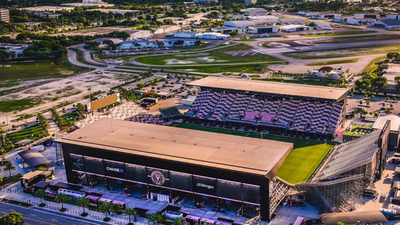
Chase Stadium (Image Source: Instagram)
Inter Miami CF's Chase Stadium has emerged as a Major League Soccer hot topic, albeit a temporary one. The stadium was always planned as a temporary home, but since then, the club’s profile has been boosted by something of a rocket.
Situated on the site of Lockhart Stadium in Fort Lauderdale, it has played home to domestic league games, international friendlies, and worldwide news coverage.As crowds continue to sell out and interest has grown, the questions of size, seating arrangement, and attendance have come to the forefront. A look at the capacity and implications of Chase Stadium, plus the ramifications for Inter Miami matchdays.
Chase Stadium capacity and seating configuration
Chase Stadium is now home to a fan base of roughly 21,500. This number represents a combination of permanent seating and modular expansion elements added through incremental builds.
The stadium debuted with a capacity of around 18,000 upon its opening in 2020, but increased demand prompted the club to add corner infills and a temporary seating upgrade.
The stadium is a tight, soccer-specific bowl with stands situated up against the field, resulting in great sightlines from every seat. Seating is based on the categories sideline premium, general admission supporter (behind the goals), and an increasing proportion of hospitality-related seating.
All of which feature theatre-style boxes and elevated suites to maximise corporate partner and high-value ticket buyer interest while minimizing the overall footprint.
Attendance trends and the impact of Lionel Messi on demand
Chase Stadium was already one of the best-supported venues in North American sports and saw ticket demand explode when Lionel Messi arrived. Tickets for marquee fixtures sold out in minutes, and league matches, cup games, and international exhibitions regularly attracted full stands.Its limited capacity provided a higher tier of atmosphere as each ticket sold meant louder and grouchier fans. It affords very limited seating for fans, thereby bolstering exorbitant resale prices and putting matchday operations under strain. Those trends are exactly why the club is still heading toward a permanent, bigger stadium in Miami while Chase Stadium remains an immediate, vibrant home.It is this kind of pressure that emphasises why, despite the electric, intimate Chase Stadium experience, Inter Miami are still seeking a bigger, permanent home in the heart of Miami. Meanwhile, Chase Stadium is a reminder that a stadium need not be massive to be impactful: scarcity drives value, atmosphere abounds, and every game is a big game.









 English (US) ·