

 1 hour ago
6
1 hour ago
6
ARTICLE AD BOX
In the summer of 1999, India and Pakistan fought a fierce battle in the mountains of Kargil. For 85 days, the air thundered with bullets and artillery shells. On July 26, 1999, the Indian Army succeeded in evicting Pakistani forces from the mountain heights.
Yet, amid the intense fighting, there were fleeting moments of amity. On one such morning during the height of the war, a white flag was waved and two young Army officers from both sides exchanged a few words, and, improbably, swapped cigarettes and a Cadbury chocolate bar, before returning to their sides.
That young Indian Army officer was Colonel (retired) Rajinder Kumar Sharma.
His encounter with the Pakistani officer is a part of his extraordinary military career chronicled by his two sons in ‘Shoorveer’, a book published by Penguin Random House India last year.
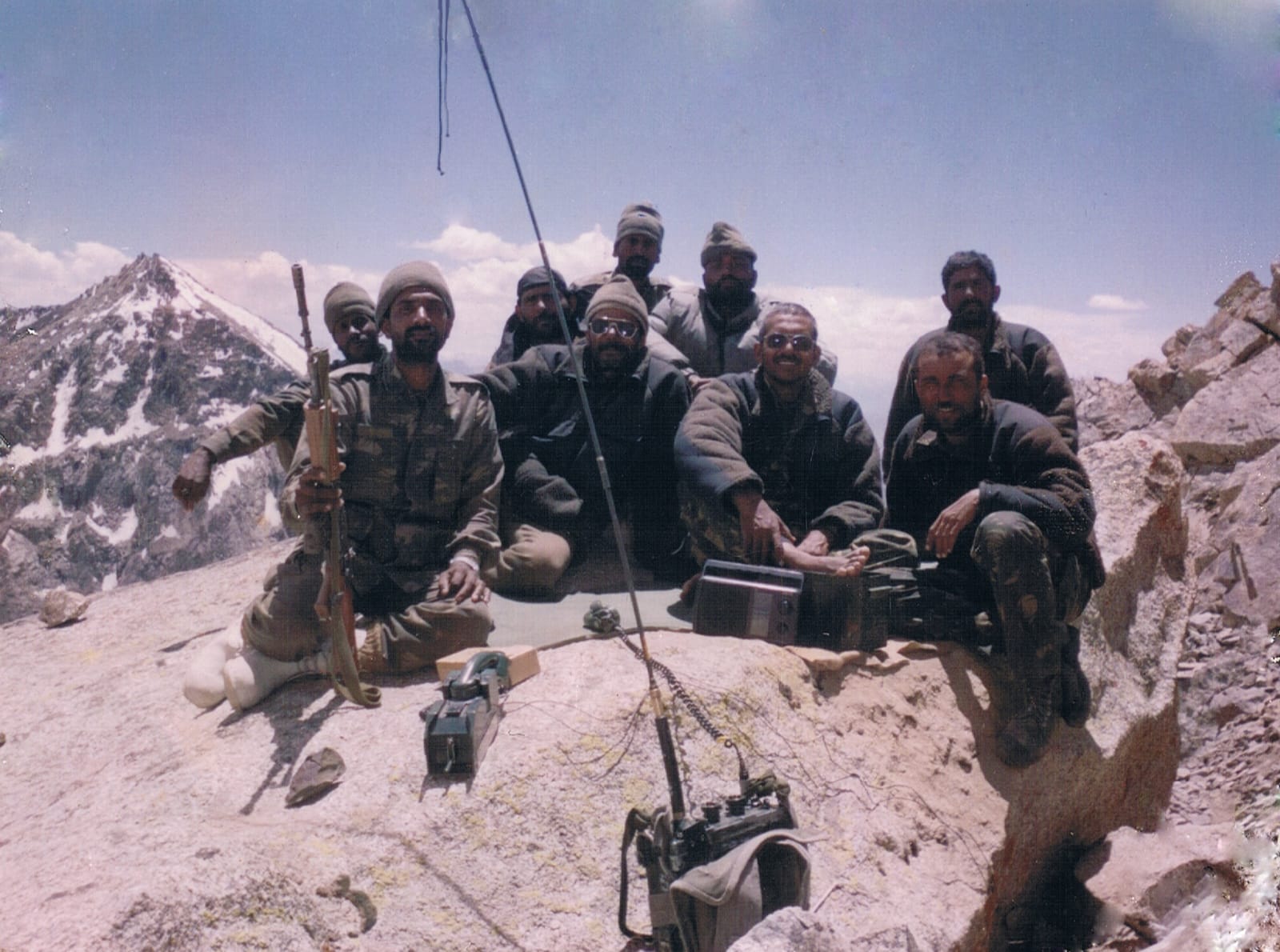 Col. Raj on the extreme right in the front row, before advancing to the strategic Point 5465 during the Kargil War.
Known as Raj among his friends, colleagues and seniors, Colonel Sharma is the recipient of three gallantry medals – Kirti Chakra, Shaurya Chakra and Sena Medal for his single tenure in the Northeast from 2006-09. He also has the rare honour of receiving the first two medals from the President of India in the same ceremony at Rashtrapati Bhawan on March 19, 2009.
As the war’s 27th anniversary was observed on Friday, The Indian Express spoke to Col Sharma, now 60, of that June day in 1999.
A young Lieutenant then, Sharma’s battalion — 22 Grenadiers — had moved from Hyderabad to Kargil before the conflict began.
Story continues below this ad
He was leading a small team comprising a Junior Commissioned Officer (JCO) and nine soldiers towards Point 5465, at an altitude of nearly 17,000 feet, when they came under fire from Pakistani troops occupying a nearby knoll.
“… Before proceeding to Point 5465, I had strategically deployed another party at the base and placed weapons in such a manner that they were aimed directly towards their (Pakistani) bunkers’ loopholes,” Sharma recalled.
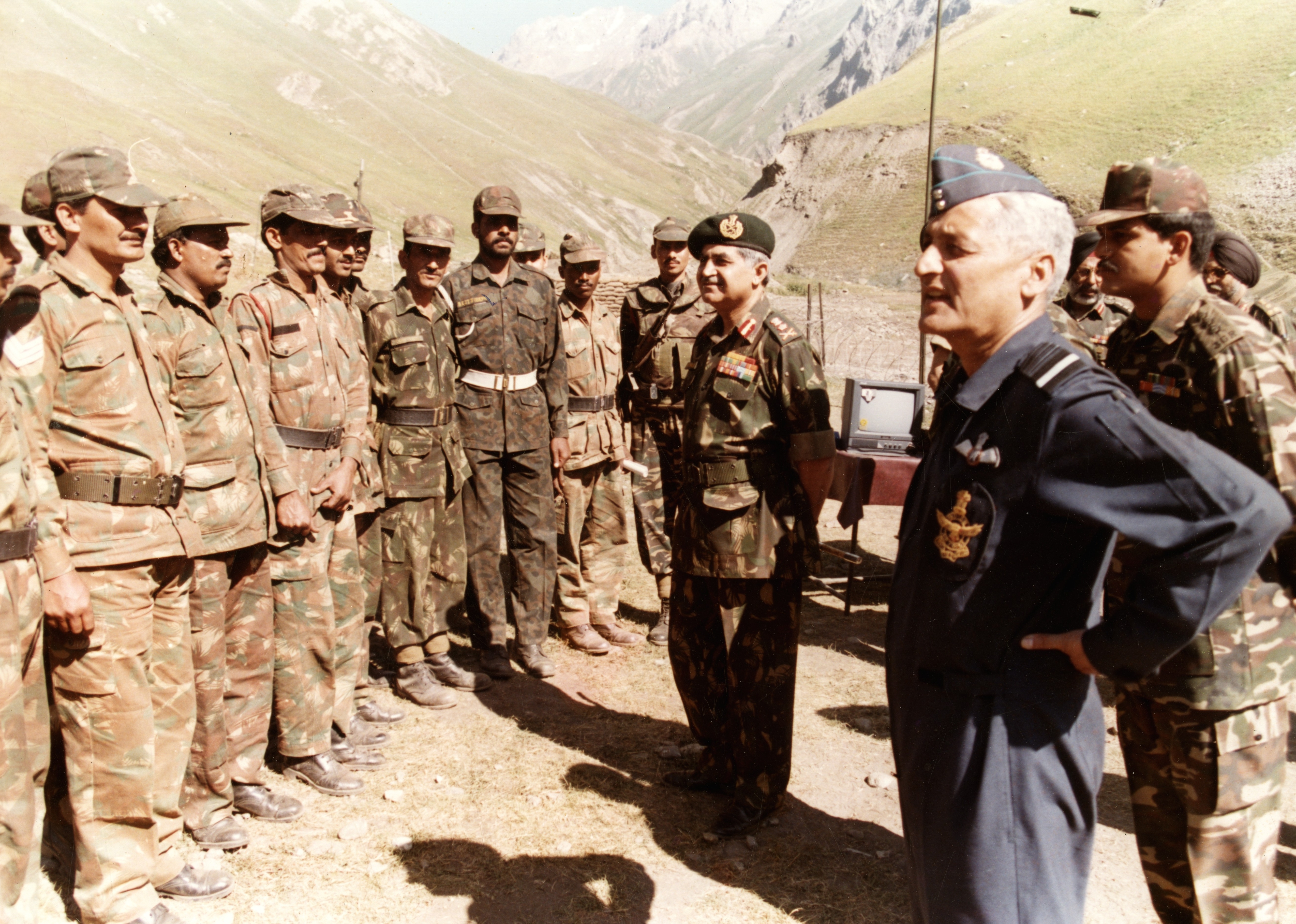 General VP Malik Chief of Army staff and Air Chief Marshal AY Tipnis with Army Personal in Kargil sector. (Express archive)
Pakistani troops were still preparing those bunkers, he said. “They were practically in the open”. “Our retaliation was catastrophic as they had not realised that I had deployed so much ammunition and fire… and our troops were fully alert,” Sharma added.
He watched the chaos unfold through his binoculars. But after two-three minutes of firing, Sharma said someone waved a white flag from behind the bunker.
Story continues below this ad
During war, a white flag symbolises that the other side is asking to halt fire and wants to talk, he pointed out.
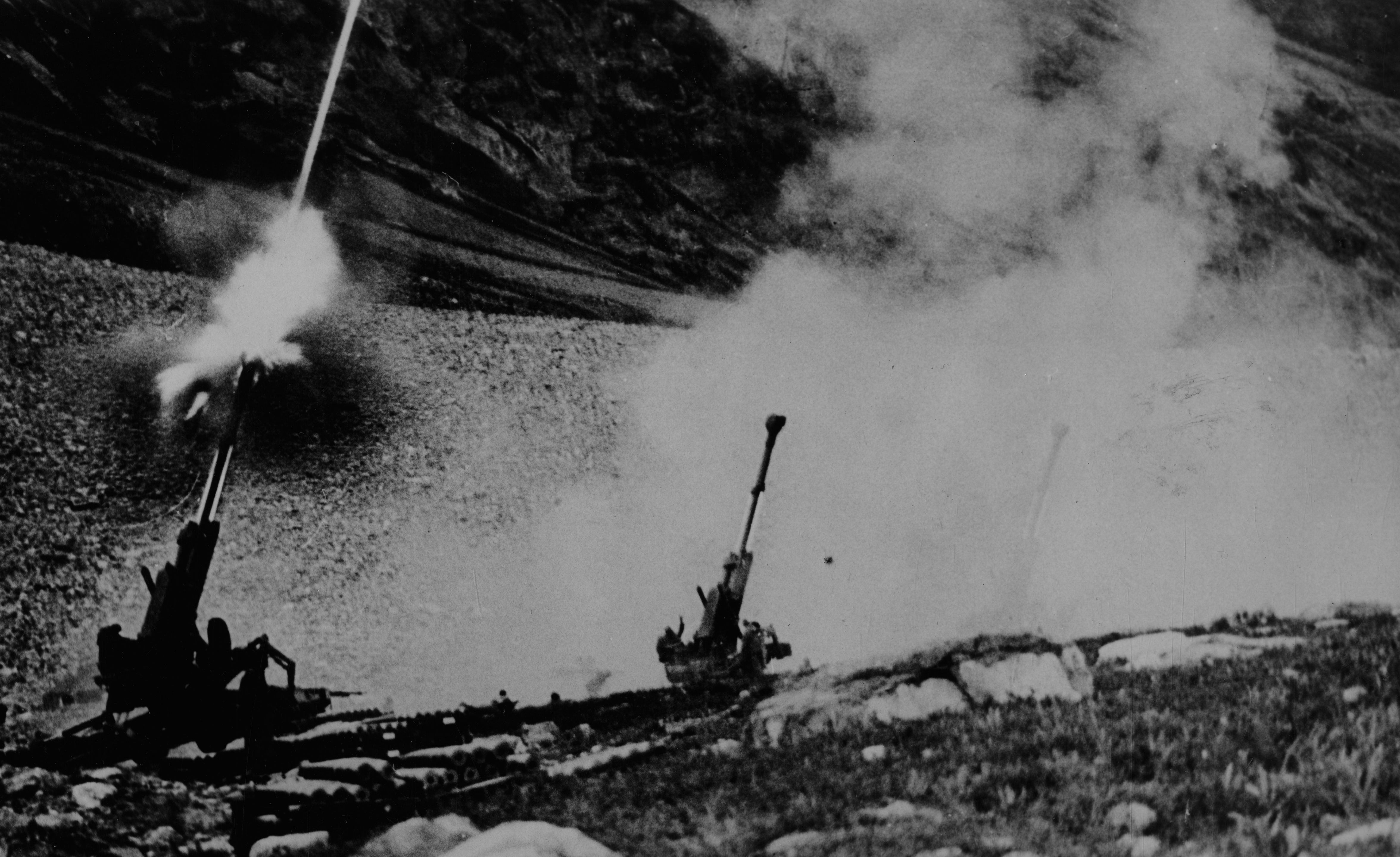 Bofors gun in operation during the Kargil war at Matayan. (Express archive photo)
An unlikely meeting
According to the book, Naib Subedar Abhay told Sharma not to “trust them (Pakistanis) at any cost”.
But Sharma assessed the situation: the enemy had to come into the open if they were to meet, making it difficult for them to launch an ambush or retreat quickly if they attempted one.
Story continues below this ad
He saw three-four enemy soldiers walking down from their bunker, holding white flags. They were shouting, asking the Indian side not to advance together.
The Lieutenant told his troops not to worry about him. If the enemy tried something funny, he told them, open fire in such a way that they would not be able to run for cover.
But he and his men faced an unexpected problem — they did not have a white flag!
Lance Naik Tula Ram came to the rescue. The book notes that he removed his white vest and tied it to the barrel of his INSAS rifle, and volunteered to come with Sharma.
Story continues below this ad
Radio operator, Grenadier Harinandan, advised Sharma to speak to ‘Tiger’ and ‘Lamb’ on the radio and not go ahead. Sharma told him to switch it off.
The book notes that the Pakistanis were confused as to what was happening. They started shouting, ‘Only two, only two’. Sharma noticed two of their men taking position while two others walked ahead.
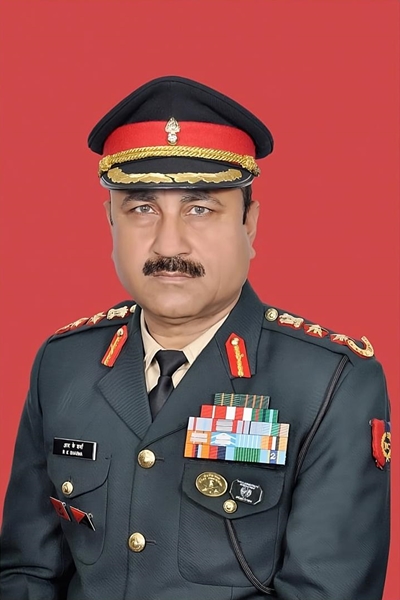 Colonel (retired) Rajinder Kumar Sharma
So Sharma and Tula Ram walked 50 metres apart.
The Pakistanis then insisted that only one officer approach.
The Lieutenant then told Tula Ram to stay behind and climbed nearly 150 metres uphill to meet a tall, Pakistani officer — Major Javed. Sharma introduced himself as ‘Captain R K’.
Story continues below this ad
Speaking to The Indian Express, Colonel Sharma recalled that Javed was smartly dressed. “It seemed like he had come straight from a salon!”
Javed pointed out that they had suffered a lot of casualties, and asked why the Indian side had opened fire. “I told him it was they who opened fire first, we only retaliated.”
“After a brief pause, Major Javed offered me a cigarette and both of us smoked,’’ Sharma said. “I asked him why he was sitting in the area. I told him, ‘You are supposed to go 2 km beyond this place’ (knoll)’.”
Javed assured him that he would “convey India’s message to his headquarters”. He asked Sharma not to open fire, that he, too, was a soldier acting on orders.
Story continues below this ad
Sharma said they were going towards Point 5465 and would retaliate if fired upon.
The Pakistani officer laughed and agreed. He then offered his cigarettes to him. Sharma smiled, asked for a lighter, and Javed handed him one.
In return, Sharma gave him a Cadbury chocolate bar that Captain B M Cariappa had earlier given him at Point 5203 as an emergency ration.
Both walked back to their troops.
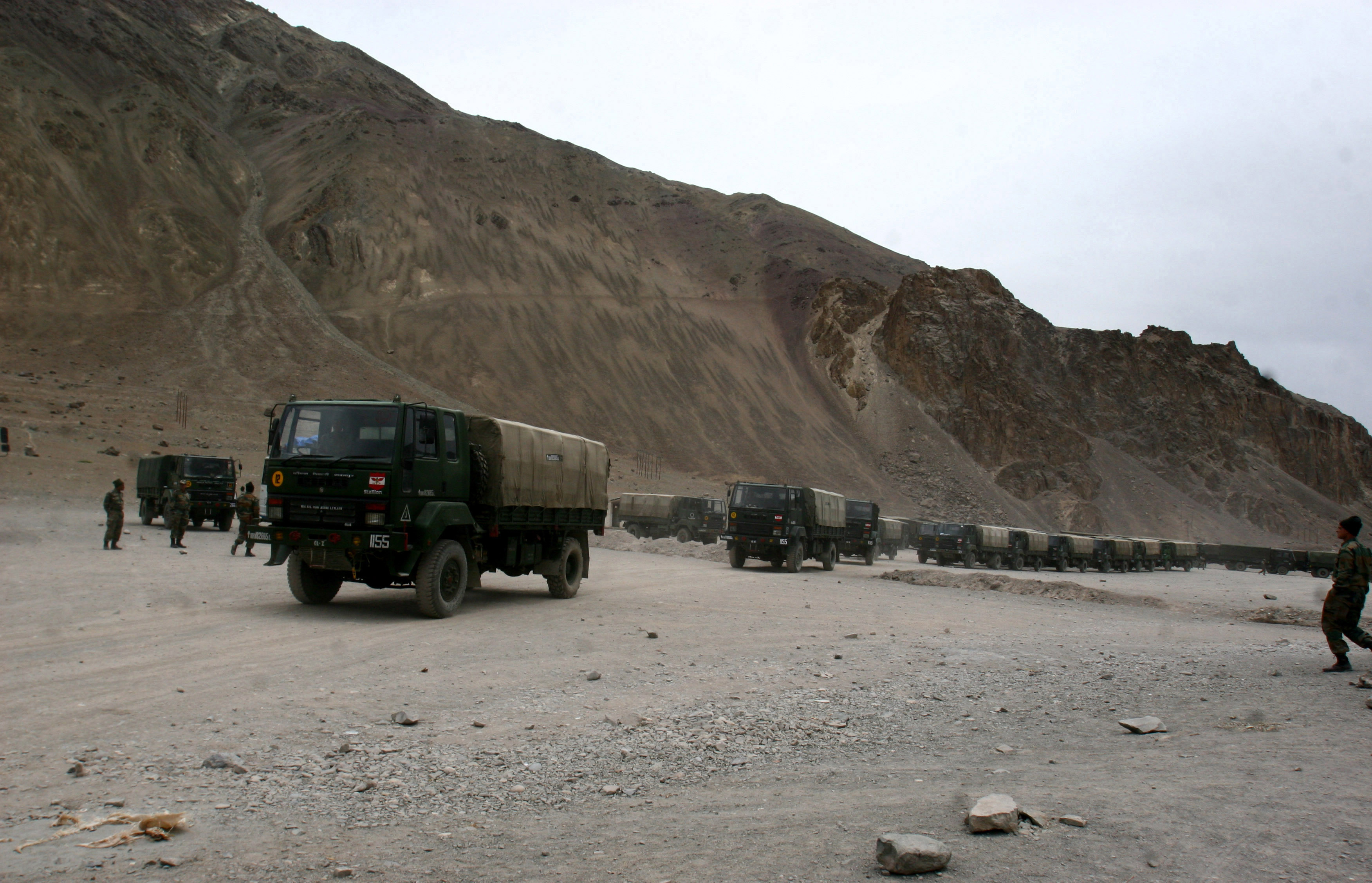 Army vehicles stop at a base camp in Leh in the cold desert region of Ladakh, 434 kms from Srinagar. The peaks in Kargil area of Ladakh witnessed a war between Indian soldiers and the soldiers of the neighbouring Pakistan in the summer of 1999. (Express Photo By Shuaib Masoodi/File)
Victory on Point 5465
Story continues below this ad
The book says that by then, most of the men had reached the base of Point 5465. The officer instructed them to reach the peak before dusk. He, Grenadier Harinandan and Lance Naik Tula Ram were the last to climb to the top.
The capture of Point 5465 came despite formidable odds: enemy fire, dangerous terrain, and a route riddled with anti-personnel mines.
For the 22 Grenadiers, it was more challenging as it was the only unit in the Kargil war from a different ORBAT (order of battle) and had little time to acclimatise to the high altitudes.
They had come from Hyderabad, where the temperatures had already touched 40 degrees. In Batalik, the temperatures fell below zero.
Besides, their operational area was Rajasthan, practising desert warfare. They had just participated in ‘Op Shivashakti’, the biggest Army exercise of the decade in the Badmer sector.
Harinandan, the book notes, later told Sharma that everybody back at base had instructed him not to go ahead and meet the Pakistanis.
The book says, “The CO and Padhi Sahib were abusing you, Sahib,” Harinandan laughed. “They said the unit’s izzat (honour) would be at stake if Raj became a prisoner of war…”
Congratulatory messages followed once the peak was secured.
Sharma and his men, however, had missed out on the hot meals delivered earlier to the troops at the wall.
But they were all ecstatic at their victory. The book notes that one of them quipped, “Sahib, it seems our fate is to climb mountains on an empty stomach”.
Another reminded Sharma of his promise that they would all smoke cigarettes after capturing Point 5465. He then distributed one Pakistani cigarette each.
A soldier remarked, “Wah Sahib, you did not tell us that you would give us Pakistani cigarettes!”
For the first time in many nights, they rested.
The following morning, they finally received tea rations and a field stove to cook ready-to-eat meals — basic fare but it felt like a feast after all they had experienced.
“Kargil wasn’t just a war, it was a message — Sons of Bharat can die, but they will never bow,” said Colonel Sharma.
“Even after 26 years, let the enemy hear it clearly, try again, and we will repeat Kargil.”




 English (US) ·