

 6 days ago
6
6 days ago
6
ARTICLE AD BOX
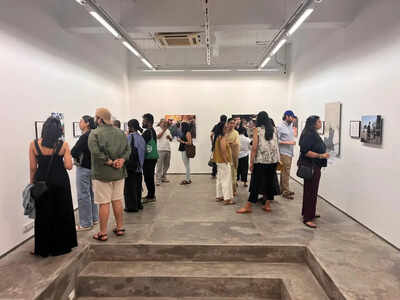
At a time when war is consumed in real-time , reduced to breaking alerts and looping visuals of destruction, a new exhibition in Kolkata chooses to slow things down. At Experimenter, Emily Jacir’s Where We Come From doesn’t show war as we expect it. There are no explosions, no spectacle.
Instead, there are fragments of lives,requests, memories, small acts , that quietly reveal what conflict takes away long before it takes lives: the right to belong, to return, to remember.
“It makes you angry, and it makes you sad”
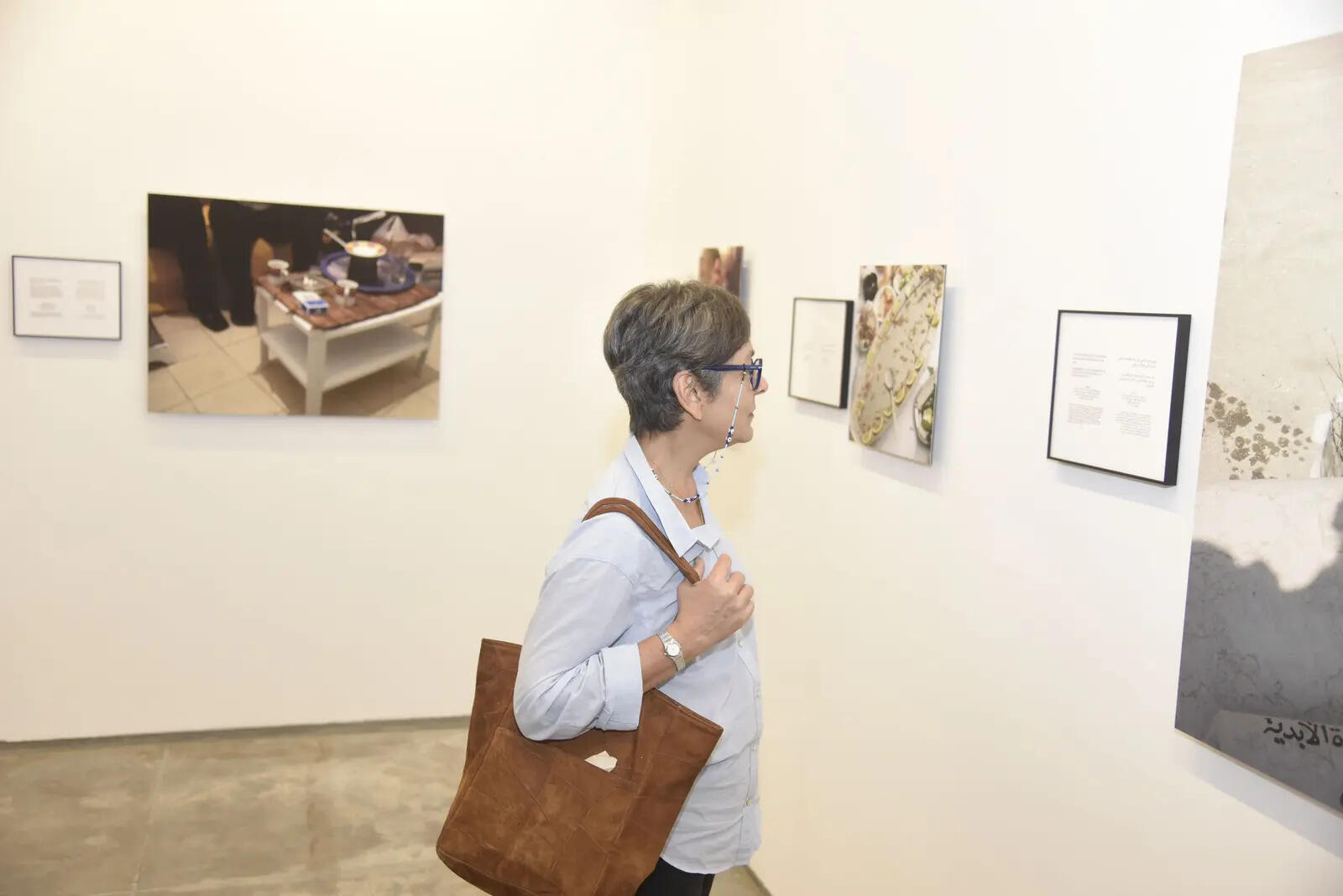
For many visitors, the impact is immediate, and deeply personal. “It makes me so angry… it makes me sad,” says Bashubi Tiwari, a designer, standing before one of the works. The emotion isn’t accidental; it’s embedded in the structure of the project itself.
Created between 2001 and 2003, the series is built on Jacir carrying out simple, intimate requests on behalf of Palestinians who cannot access their own homeland.
But seen today, those gestures feel heavier. “We’re used to seeing only war and destruction,” Tiwari adds. “These feel like memories… like people who may not even be alive anymore.” That shift , from image to absence , is where the work lands its sharpest blow.
Beyond headlines: Reclaiming a people through memory
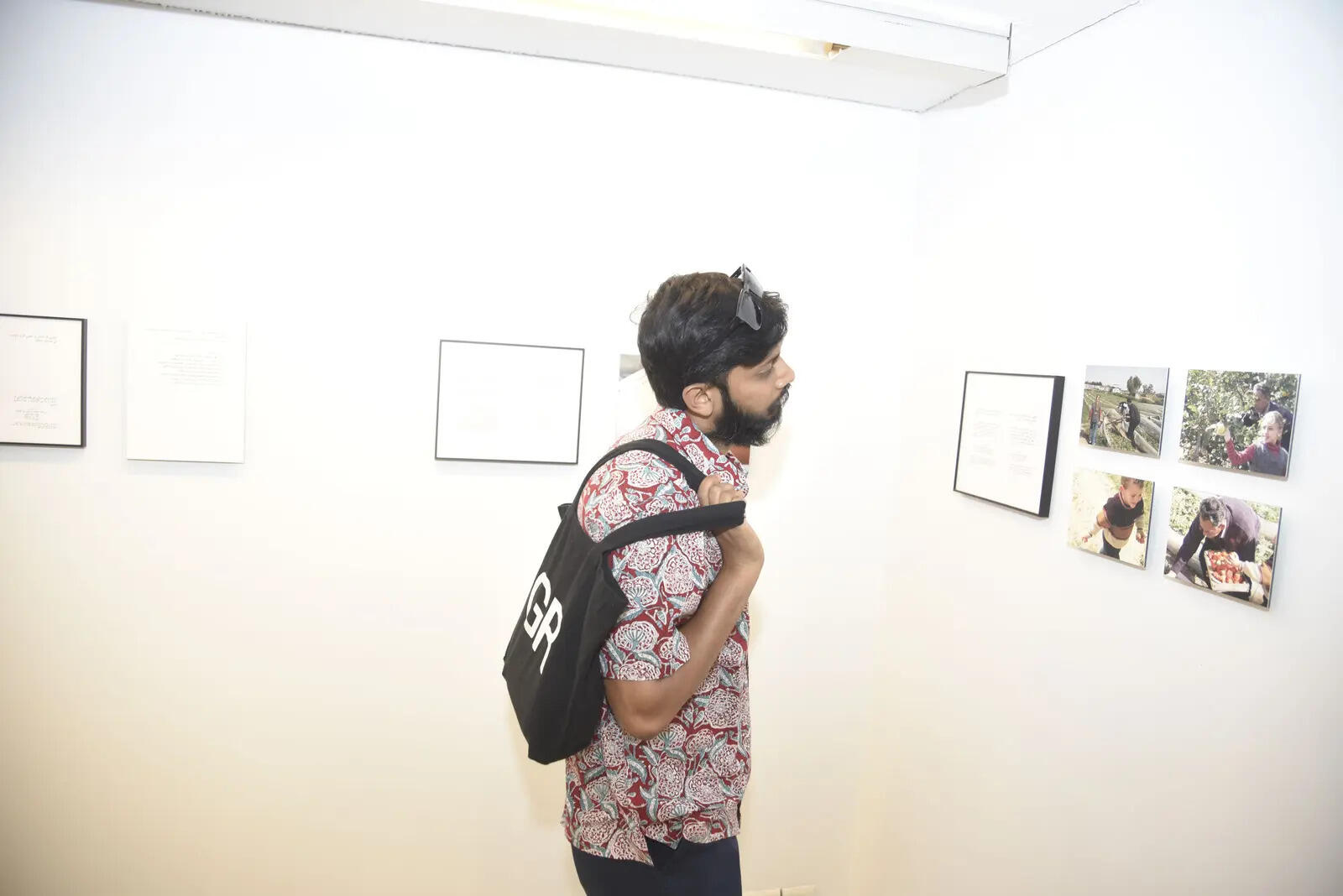
What makes Where We Come From powerful is precisely what it withholds. Photographer Bitan Basu, another visitor, points to the rarity of such images. “You don’t expect to see visuals like this from Palestine,” he says. “It’s about memory, longing for home.” And that’s where the exhibition hits hardest. In a global moment where Palestine is often framed through statistics and devastation, Jacir’s work insists on something quieter but more enduring: that a place is not just territory, but lived experience.
There is no attempt here to simplify or explain the politics. Instead, the exhibition asks viewers to sit with something far more uncomfortable, the idea that entire histories can be erased in real time, and that remembering, in itself, becomes an act of resistance. In Kolkata, a city that has long engaged with political art, the show feels less like an exhibition and more like a reckoning.



 English (US) ·