

 1 hour ago
4
1 hour ago
4
ARTICLE AD BOX
Last Updated:July 03, 2026, 22:41 IST
Khamenei, regarded as a spiritual leader by many Shia Muslims, was killed in late February at the age of 86 in US-Israeli strikes that marked the beginning of the West Asia war.


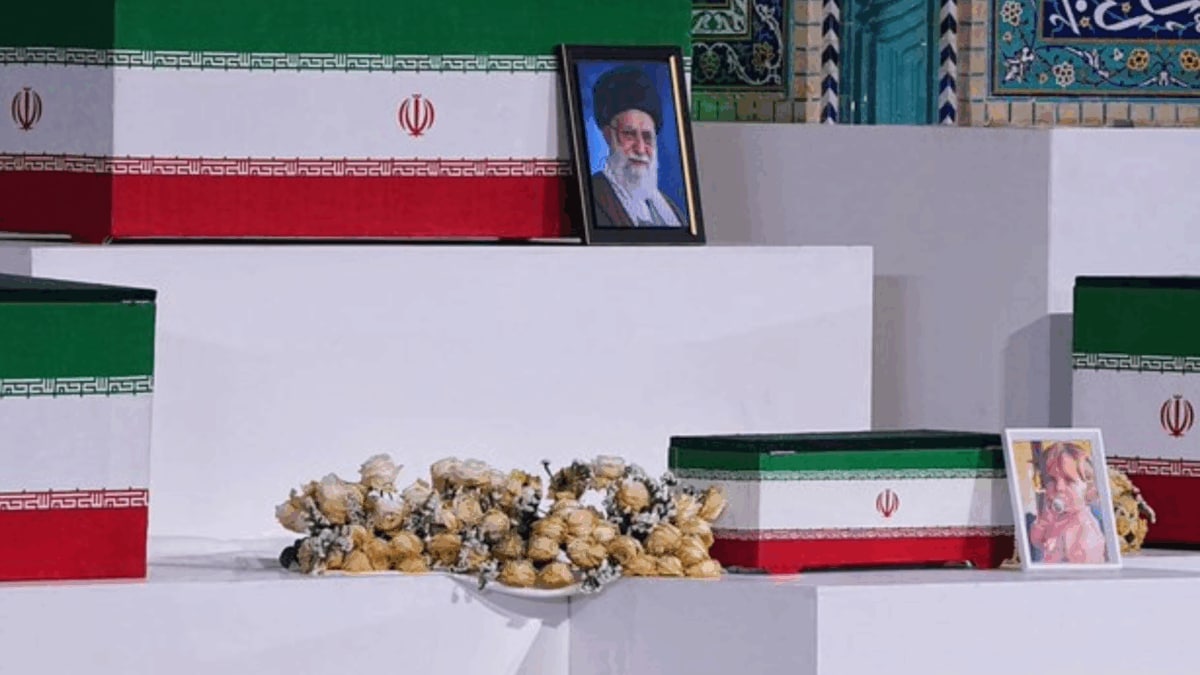
Despite official expectations of a massive turnout, several residents told AFP they were choosing to avoid the event. (Photo: AFP)
As Iran prepares for what authorities say could be one of the largest funerals in its history, not everyone plans to join the crowds. While millions are expected to gather in Tehran on Saturday to bid farewell to late Supreme Leader Ali Khamenei, many Iranians say they will stay away, citing fears over safety, overcrowding and growing frustration over the country’s economic hardships.
Khamenei, regarded as a spiritual leader by many Shia Muslims, was killed in late February at the age of 86 in US-Israeli strikes that marked the beginning of the West Asia war. The funeral comes amid a fragile US-Iran ceasefire and just six months after widespread anti-government protests shook the country.
Despite official expectations of a massive turnout, several residents told AFP they were choosing to avoid the event. In Tehran, roads leading out of the capital were reportedly congested, while many shops remained closed and the city appeared quieter than usual, suggesting that a significant number of residents had left rather than participate.
For 67-year-old housewife Effat from Mashhad, the primary concern is safety.
“My concern is that poor organisation could put people’s lives at risk. I also worry about the possibility of violence or a terrorist attack intended to gain international attention," she said. “When such tragedies happen, the authorities quickly blame foreign actors like Israel or the opposition before the facts are established. I just hope everyone who attends returns home safely."
Azadeh, a 43-year-old translator in Tehran, believes many residents are deliberately leaving the capital.
“From what I can see, many people are escaping the crowded city. Tehran is unusually quiet," she said. Referring to official projections of around 15 million attendees, she questioned the figure and claimed government employees and schoolchildren were being transported to the capital from other cities. “What worries me most is the safety of those children. I just hope they don’t get crushed in the crowd."
Twenty-nine-year-old technology professional Saeid echoed similar concerns, saying the atmosphere in Tehran had become increasingly tense.
“Roads leading out of the city are packed. Many residents have already left, and I’m leaving too because staying here has become difficult," he said. “Many streets are closed, security checkpoints have returned and there is a heavy deployment of security personnel. It feels unsettling."
For others, the funeral has also become a symbol of misplaced government priorities during an economic crisis.
Ali, a 49-year-old resident of Tonekabon on the Caspian coast, questioned the resources being allocated for the ceremony.
“The government says it has arranged food, drinks, accommodation and other services for 15 million attendees. My question is: where is this money coming from?" he asked. “In recent days, the prices of bread and other essential food items have reportedly increased sharply. Ordinary people are ultimately paying for all of this."
Thirty-eight-year-old visual artist Kaveh argued that the scale of the funeral contrasted sharply with the government’s response during previous national emergencies.
“None of these facilities—temporary shelters, portable toilets, emergency internet, logistics or food supplies—were properly available during earthquakes or floods," he said. “Yet now, in a struggling post-war economy, enormous resources are being spent on a grand ceremony. It feels like propaganda rather than something that benefits ordinary people."
Elnaz, a 32-year-old painter from Tehran, said the funeral reflected the deep divide she believes exists within Iranian society.
“For people like us, who live ordinary lives, are not religious and have no connection to the government, whether Khamenei was alive or not did not change our daily lives," she said. “For years, it has felt as though ordinary people and government supporters have been living in two completely different worlds. This ceremony is no different from other state events that attract only a minority of society."
While authorities continue preparations for the high-profile funeral, the contrasting voices highlight the divisions that remain within Iran. For many supporters, the ceremony is expected to be a historic farewell to the country’s longest-serving leader. For others, it is an event they would rather avoid—out of fear, frustration or simply because they no longer feel represented by the state.
Handpicked stories, in your inbox
A newsletter with the best of our journalism
About the Author
Saurabh VermaSenior Sub-editor
Saurabh Verma covers general, national and international day-to-day news for News18.com as a Chief Sub-editor. He keenly observes politics. You can follow him on Twitter --twitter.com/saurabhkverma19
News world 'Where Did The Money Come From?' Why Some Iranians Are Avoiding Khamenei's Funeral
Disclaimer: Comments reflect users’ views, not News18’s. Please keep discussions respectful and constructive. Abusive, defamatory, or illegal comments will be removed. News18 may disable any comment at its discretion. By posting, you agree to our Terms of Use and Privacy Policy.
Read More






 English (US) ·