

 1 week ago
4
1 week ago
4
ARTICLE AD BOX
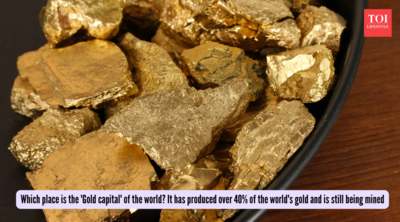
Johannesburg, South Africa, earned the title 'Gold Capital of the World' after a massive gold rush in 1886. Located over the Witwatersrand Basin, it holds Earth's richest gold deposits, producing 40% of all gold ever mined. Ancient meteor impacts may have protected these vast reserves, with millions of trees now dotting the landscape.
Gold has been among the most crucial commodities in the world for centuries, which has built cities, economies, and even empires throughout history. In India, families keep the precious yellow metal as family heirlooms passed down to generations for centuries.Last year, Gold also reached an all-time high, crashing the charts, amid unstable geopolitical situations across the world.Amid this, there is one place on Earth that stands out as the ultimate symbol of this shiny obsession, a place where massive underground ‘Gold’ treasures sparked a frenzy that changed the world forever, and it is known as the Gold capital of the world.
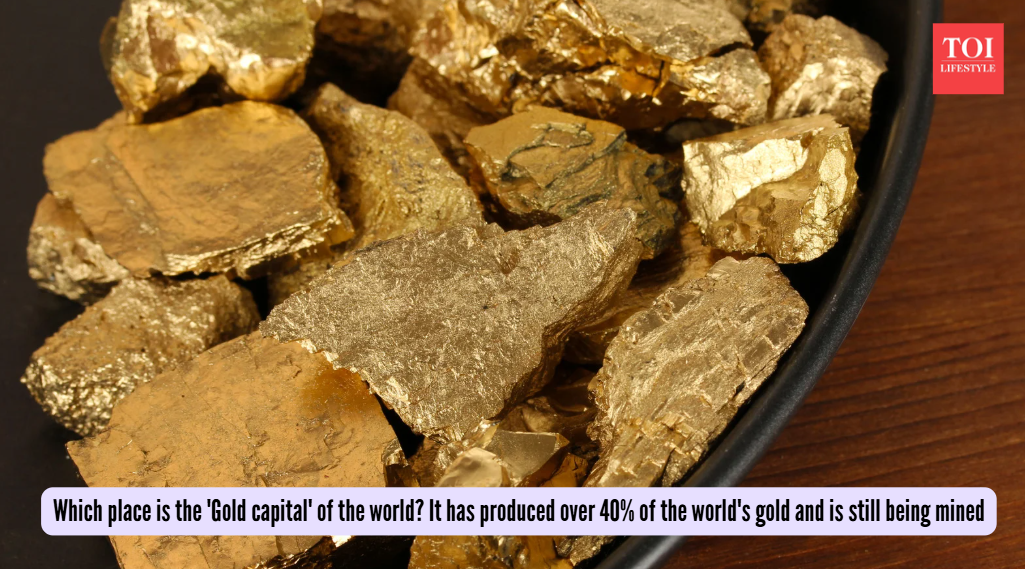
Which place is the 'Gold capital' of the world? It has produced over 40% of the world's gold and is still being mined (representative Image)
Which city is known as the ‘Gold capital’ of the world?
Johannesburg in South Africa claims the title of Gold Capital of the World, as it is located over the Witwatersrand Basin, and is home to Earth's richest gold deposits.Nicknamed "eGoli" or "Place of Gold," Johannesburg became popularly known when prospector George Harrison discovered a rich gold reef on Langlaagte Farm in 1886.According to Atlas Obscura, this sparked a massive gold rush, drawing tens of thousands of people who built roads, railways, and boomtowns almost overnight, turning a quiet spot into South Africa's largest city by the 1890s.The Witwatersrand Basin beneath it, formed 2.7 to 2.9 billion years ago, locked gold into ancient river sediments that hardened into incredibly rich reefs, producing about 40% of all gold ever mined in human history.
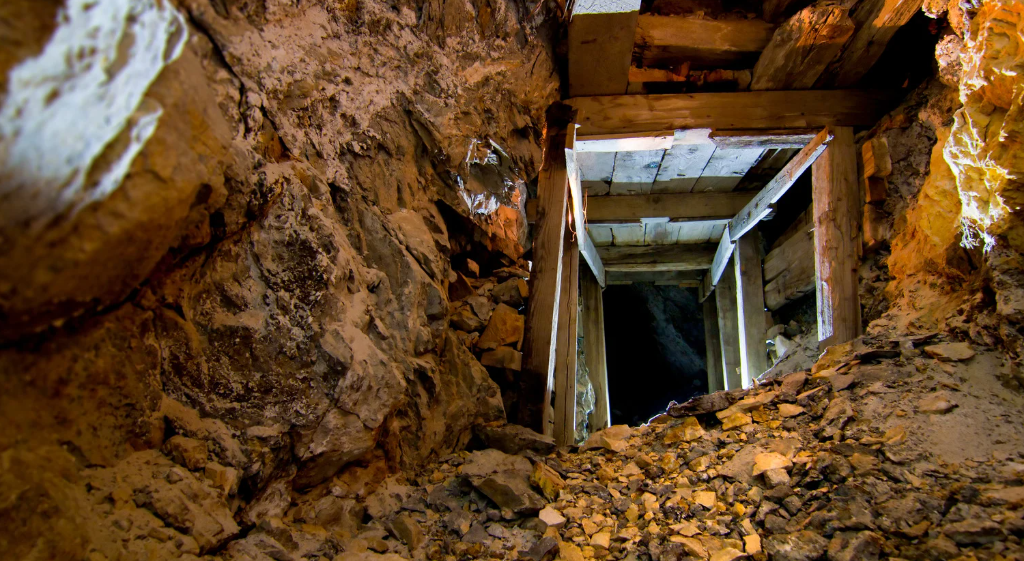
Representative Image
Johannesburg is a place of extremely deep mines
Johannesburg's gold comes from insanely deep pits, like Mponeng Mine, plunging 4 km down where the heat hits 60°C. Miners battle this with ice slurry cooling and high-tech gear, proving why the region still churns out bullion despite tough odds.
What has protected Gold for millions of years?
According to Geoscience World, geologists suggest an ancient meteor impact may have protected the gold deposits from erosion, while Johannesburg features one of the world's largest man-made urban forests, with over 10 million trees. Experts estimate nearly half of the planet's remaining gold reserves might still lie deep in the Witwatersrand Basin, and the city's skyline is marked by iconic yellow mine dumps as lasting reminders of its mining past.Even with many old mines now closed, Johannesburg still remains an important economic center through the Johannesburg Stock Exchange and ongoing mining operations, attracting visitors to historic sites.








 English (US) ·