

 1 hour ago
7
1 hour ago
7
ARTICLE AD BOX

Across Indian cities and small towns, parents are noticing a worrying pattern. Children who once bounced back from an occasional cold are now battling fever, cough, stomach infections, or fatigue almost every month.
What is often dismissed as ‘weak immunity’ is a deeper, systemic issue shaped by India’s rapidly changing climate.Extreme heatwaves, unpredictable floods, and toxic winter air are becoming more frequent. Children, whose immune systems are still developing, are among the first to feel the impact. As families navigate this new reality, everyday protective habits are no longer optional. They are essential. As Dr. Bhaskar Shenoy, Consultant Pediatrician at Manipal Hospital, Bengaluru, states, “Children’s immune systems are still under development, and they function best in predictable conditions.
Today’s reality is anything but stable. Sudden weather shifts, pollution spikes, and wild swings in humidity keep their immunity working overtime.”
Savlon Swasth India Mission | Climate Change & Kids' Health: Doc's Pod Ep 1
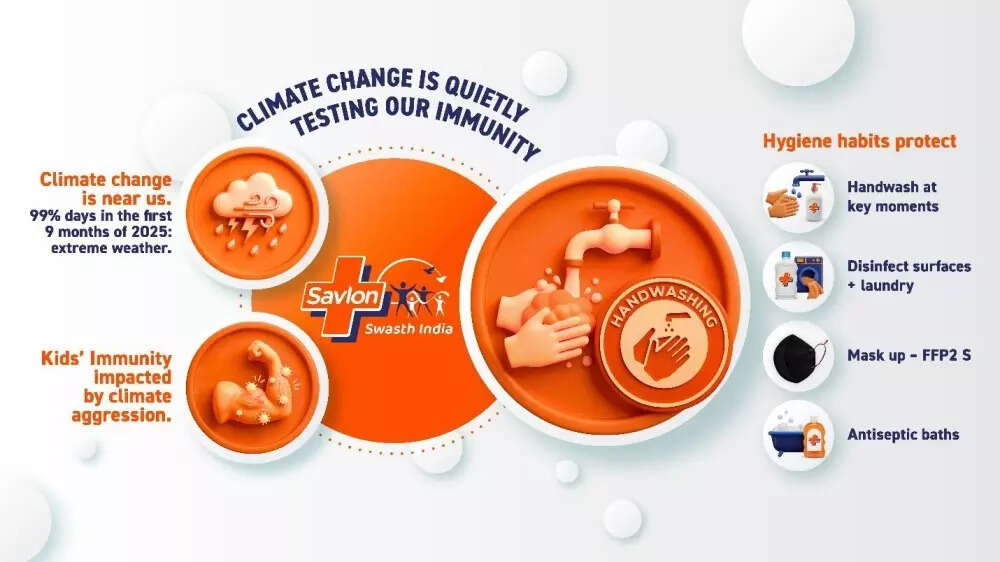
Climate change is showing up in children’s illnessesIndia has witnessed record-breaking heat in recent years. During the summer of 2024, temperatures crossed 45–50°C across large parts of north and northwest India. Pediatric centers reported a rise in heat-related illnesses, dehydration, digestive distress, and viral fevers among young children.Extreme heat also alters daily behavior. Families spend more time indoors, often in poorly ventilated spaces, allowing infections to spread easily. Pediatric hospitals in cities such as Bengaluru and Pune have reported increases in persistent coughs and respiratory infections during prolonged heat spells.Floods add another layer of risk. In states like Bihar, Assam, and Himachal Pradesh, waterlogging during recent monsoons contaminated drinking water sources, triggering spikes in diarrheal illness.
Winter brings its own threat. During peak smog months, pediatricians across major cities report higher cases of wheezing, throat infections, asthma flare-ups, and lingering coughs as polluted air inflames young airways and weakens respiratory immunity.Why children’s immunity is under stressA child’s immune system continues to develop through early adolescence and functions best in stable conditions. Sudden temperature swings, polluted air, unsafe water, disrupted sleep, and chronic environmental stress force this developing system to work overtime.Research shows that extreme heat and air pollution can impair immune responses, making it harder for children’s bodies to fight infections1. Nutrition is another key factor. Climate-related disruptions can reduce access to fresh, nutritious food. Deficiencies in protein, iron, zinc, and essential vitamins weaken immune cells. Repeated water-borne infections further disrupt gut health, which plays a critical role in immunity, leaving children vulnerable long after visible symptoms fade.What parents can do now: Practical habitsWhile parents cannot control climate patterns, they can reduce their impact on children’s health through consistent, everyday actions.Eat clean, immunity-supporting foodFreshly cooked meals made with seasonal vegetables, fruits, whole grains, lentils, curd, and adequate protein help strengthen immune defences. Limiting ultra-processed foods and sugary snacks reduces inflammation and supports gut health.
Safe drinking water, whether boiled or filtered, is critical, especially during monsoons.Use simple home remedies consistentlyTraditional home remedies play a supportive role when used regularly. Warm water, haldi milk, light soups, ginger, tulsi, and adequate hydration help the body cope with frequent weather changes. These do not replace medical care, but they can support recovery and resilience.Handwashing is non-negotiableHands are the most common carriers of germs. Regular handwashing with handwash before meals, after play, after school, and after returning home significantly reduces both respiratory and gut infections.
This remains one of the most effective ways to prevent recurring illness.Dr. Shenoy further explains, “No matter the season, hands remain the main vehicle for germ transmission. Proper handwashing with a handwash can reduce diarrhoeal diseases and respiratory infections substantially, making it one of the most effective ways to strengthen immunity before illness even begins.”As families spend more time indoors during heatwaves, monsoons, and polluted winters, maintaining hygiene beyond just handwashing becomes essential.
Regularly disinfecting frequently touched surfaces and using laundry disinfectants for clothes, uniforms, towels, inner wear and bedding helps limit the spread of germs at home. During periods of poor air quality or widespread viral infections, protecting young lungs is equally important.
BIS-certified FFP2 S masks provide high filtration against fine particles, virus, pollen, pollutants and dust, reducing exposure when children need to step outdoors.
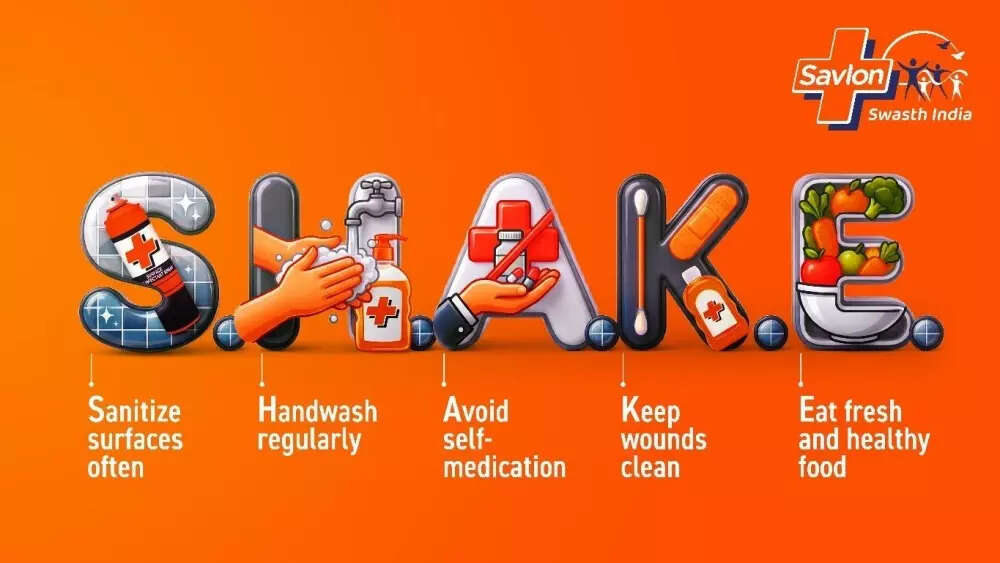
Children today are growing up in an environment that places unprecedented stress on their immunity. Frequent illness is not a failure of the child’s body, but a signal that environmental pressures have changed faster than our daily habits. Savlon Swasth India Mission (SSIM) wants to emphasise preventive healthy hygiene habits as a foundation of disease prevention, especially for children. As climate uncertainty becomes the new normal, simple, consistent practices at home remain one of the strongest defences parents have.Since 2016, ITC's Savlon Swasth India Mission has touched the lives of over 14 million children with its innovative outreach and is one of the largest hand hygiene education programmes run globally. This ongoing initiative has effectively instilled hand hygiene practices among primary school students, demonstrating tangible results leading to habit change. According to the the Kantar impact report in March 2024, commissioned to assess impact for the Savlon Swasth India Mission in select centres, it was observed that there is an increase in overall handwashing occasions by children who have attended the programme.
Mothers also perceived their child’s health to have gotten better post the campaign which points to the initiative’s role in increasing awareness about handwashing.
The study also reports on higher compliance to handwashing occasions by children who had been a part of the program. The school initiative has also generated conversations where children are discussing the initiative and mothers are discussing the improvements in their child’s handwashing habits and the program benefits. With a focus on innovation in design and communication, the mission has introduced various initiatives such as Savlon Healthy Hands Chalk Sticks, Savlon ID Guard, and the recent Hand Ambassador and Handwashing Legend campaigns, all aimed at fostering education and promoting good hygiene habits. Savlon Swasth India is a mission towards ensuring the good health of all our children and thus enhancing their performance to shape the future of a billion dreams. Healthier kids, stronger India!
Why Does Your Child’s Asthma Flare Up in Winters? Dr. Neetu Talwar Breaks It Down
Issued in public interest by Savlon Swasth India MissionReference:
Disclaimer: The views/suggestions/opinions expressed in the article are the sole responsibility of experts. This article has been produced on behalf of Savlon Swasth India Mission by Times Internet's Spotlight team









 English (US) ·