

 1 hour ago
6
1 hour ago
6
ARTICLE AD BOX
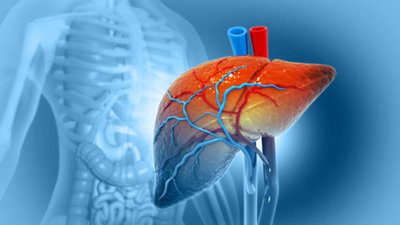
Most people don't think about their liver until something goes wrong. And by the time something does go wrong, it's often been quietly deteriorating for years. That's the uncomfortable truth about fatty liver disease, and it's why a condition that was barely on India's radar two decades ago has become one of the country's most pressing health concerns.The numbers are hard to ignore. More than one in three Indians now has metabolic dysfunction-associated steatotic liver disease, or MASLD, what most of us still call fatty liver. It's not just a diet problem or a weight problem. It's tangled up with diabetes, heart disease, insulin resistance, and a genetic profile that makes South Asians particularly vulnerable even at body weights that would seem perfectly normal by Western standards.To understand how we got here, and what can realistically be done about it, TOI Health spoke with Air Cmde (Dr.) Bhaskar Nandi, Director and Head of Gastroenterology, Hepatology and Endoscopy at Sarvodaya Hospital, Faridabad. He's spent years watching this disease go undetected in patients who had no obvious symptoms, no alarming weight gain, and no reason to suspect their liver was in trouble. Until it was.“India is in the middle of a metabolic storm, and the liver is bearing the brunt of it.
The convergence of rapid urbanization, increasingly sedentary work patterns, calorie-dense diets, and a genetic predisposition to insulin resistance has created near-perfect conditions for fatty liver disease to flourish. India is currently home to one of the highest numbers of MASLD patients in the world, with an estimated pooled prevalence of 38.6%,” Air Cmde (Dr.
) Bhaskar Nandi says. “The danger here lies in the scope of the disease, because according to a recently published community-based study in The Lancet Regional Health – Southeast Asia Journal from early 2026, using the Phenome India group from 27 cities, more than one-third of individuals were identified with MASLD with notable site-specific differences that require larger longitudinal and region-specific studies.”
The strong link between fatty liver, diabetes, and cardiovascular risk
Air Cmde (Dr.) Bhaskar Nandi: MASLD should not be thought of as an isolated liver problem. It is fundamentally an expression of metabolic malfunctioning and has implications that go well beyond the liver. Individuals affected by MASLD are more susceptible to the development of diabetes, heart disease, chronic kidney disease, and other forms of cancer, and are most likely to die from complications associated with the heart rather than liver damage.The common thread tying these conditions together is insulin resistance, which drives fat accumulation in the liver while simultaneously promoting atherosclerosis and vascular damage. Among MASLD patients, 20% already have cardiovascular complications at diagnosis, and they carry a 60% higher risk of developing cardiovascular events, a risk that persists independently of conventional factors like hypertension, smoking, and high cholesterol.
MASLD in those with diabetes significantly elevated the risk of all-cause mortality and ischaemic heart disease. In India, where approximately 77 million people live with type 2 diabetes, and nearly 25 million are prediabetics, an estimated 70% of them have MASLD. This overlap is not incidental; it is mechanistic, and it demands that clinicians treating diabetes or heart disease screen proactively for liver disease as part of routine care.
How high blood sugar and obesity are accelerating liver damage silently
Air Cmde (Dr.) Bhaskar Nandi: The liver rarely raises an alarm early. That is precisely what makes MASLD dangerous in a country like India, where metabolic disease often goes unmanaged for years. Persistently elevated blood sugar promotes fat deposition in liver cells through a process called de novo lipogenesis, where the liver converts excess glucose into fat. As a result of this accumulation of fat, there is oxidative stress and inflammation, leading to progression to more severe liver disease, such as steatohepatitis or MASH, and eventually, cirrhosis or hepatocellular carcinoma.What is particularly concerning is the phenomenon of lean MASLD, where patients with normal or near-normal body weight nonetheless develop significant liver disease. India demonstrates a unique MASLD phenotype: a high prevalence of lean NAFLD, affecting 39.7% of chronic liver disease patients, with prominent insulin resistance despite lower BMI, compounded by socioeconomic constraints and diagnostic delays.
In fact, patients with lean MASLD had a higher risk of all-cause mortality than those with overweight or obesity and MASLD, based on a 2024 meta-analysis comprising 14 studies and over 94,000 patients. This undermines the common assumption that fatty liver disease is only a concern for those who are visibly obese, and it is a critical gap in public health messaging.
Early warning signs that are often ignored in routine life
Air Cmde (Dr.) Bhaskar Nandi: The most dangerous aspect of MASLD is its silence. In the majority of cases, particularly in the early stages, there are no symptoms that would prompt a visit to the doctor.
No pain, no jaundice, no obvious physical signs. By the time symptoms appear, the disease has often progressed significantly.That said, there are subtle signals worth paying attention to. Persistent, unexplained fatigue, the kind that sleep does not fix, is one of the more commonly reported symptoms. Vague discomfort in the upper right abdomen, unexplained weight gain around the midsection, or a feeling of fullness can also be early indicators.
But perhaps the most actionable warning sign is in routine blood reports: mildly elevated liver enzymes (ALT or AST) that are often dismissed as inconsequential.
Fatty liver disease is not waiting for middle age or obesity to declare itself. Anyone with risk factors such as diabetes, high triglycerides, hypertension, central obesity, or a family history of metabolic disease who has mildly abnormal liver function tests should not wait for symptoms to seek further evaluation.
The importance of early screening and lifestyle interventions in reversing disease progression
Air Cmde (Dr.) Bhaskar Nandi: The encouraging aspect of MASLD is that it is largely reversible in its early stages. Timely screening—especially for individuals with risk factors like obesity or diabetes—can help detect the condition early. Lifestyle modifications such as weight management, a balanced diet, regular physical activity, and blood sugar control can significantly reduce liver fat and prevent disease progression.
Why preventive healthcare and awareness are critical to avoiding complications like cirrhosis and liver cancer
Air Cmde (Dr.) Bhaskar Nandi: MASLD is a silent disease that often goes undetected until it reaches advanced stages. Building awareness an ṁd promoting preventive healthcare are essential to reduce the long-term burden. Early intervention can prevent serious complications like cirrhosis and liver cancer, ultimately reducing healthcare costs and improving quality of life. A proactive approach, rather than reactive treatment, is key to tackling this growing public health challenge.Medical experts consulted This article includes expert inputs shared with TOI Health by: Air Cmde (Dr.) Bhaskar Nandi, Director and Head of Gastroenterology, Hepatology and Endoscopy at Sarvodaya Hospital, FaridabadInputs were used to explain why fatty liver is becoming so common among Indians, what are the symptoms and how it can be prevented.








 English (US) ·