

 1 day ago
6
1 day ago
6
ARTICLE AD BOX
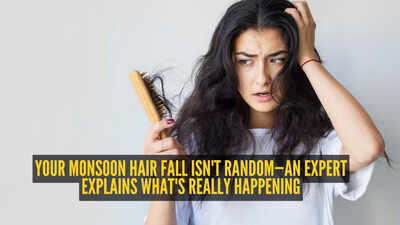
The first spell of rain is always welcome. The weather becomes cooler, the air smells fresher, and everything feels a little more alive. But if you've noticed more hair strands clogging your shower drain or collecting on your hairbrush during this season, you're certainly not imagining it.For many people, the monsoon brings an increase in hair fall. While it can be alarming to see more strands than usual, experts say there's usually a perfectly reasonable explanation behind it.According to Dr. Pradeep Sethi, Co-founder and Chairman, Eugenix Hair Sciences, the biggest culprit is the rise in humidity."As we enter the monsoon, we all enjoy the cool weather and the tranquility of nature but high humidity is one of the major factors responsible for hair fall during the monsoon.
The high humidity tends to make the scalp sweaty and this leads to the formation of dandruff, fungal growth, and irritation of the scalp. All these things weaken the roots of the hair and make them susceptible to shedding."In simple terms, your scalp goes through a lot during the rainy season. Sweat mixes with dirt, excess oil and pollution, creating an environment where dandruff and fungal infections can thrive. When the scalp isn't healthy, hair roots often become weaker, making shedding more noticeable.
Rainwater isn't as harmless as many people think
Many of us have grown up believing that getting drenched in the rain is somehow good for the hair. It's a common belief, especially after the first monsoon showers. But experts say that's one myth worth letting go of.Dr. Sethi explains, "Most people wrongly assume that rainwater is good for the hair and thus do not protect their hair from the rainwater. However, rainwater is acidic and contains a lot of pollutants from the atmosphere which makes it harmful for the hair and the scalp."The first few showers of the season often carry pollutants, dust and chemicals that have been suspended in the atmosphere. While getting caught in the rain occasionally isn't likely to cause permanent damage, repeatedly exposing your scalp without washing your hair afterwards may increase irritation.
Don't panic if you're losing more hair
One reassuring thing to remember is that seasonal hair fall is usually temporary."The hair fall you face during this season may be related to the lack of proteins and nutrients but it is also highly temporary.
The humidity, sweating, and tap water during this season can be a problem that causes hair to fall out. However, all these factors are completely reversible once you go back to your normal schedule," says Dr. Sethi.

That's why dermatologists often advise people not to panic the moment they notice a little extra shedding. Hair naturally goes through cycles of growth, rest and shedding throughout the year, and seasonal changes can sometimes make that process more noticeable.However, if the hair fall is excessive, lasts for several months, or is accompanied by visible thinning or bald patches, it's worth consulting a dermatologist instead of assuming it's only because of the weather.
Your scalp needs extra attention right now
During the monsoon, many people focus on shampoos, serums and expensive hair masks. But experts say healthy hair starts with a healthy scalp.Dr. Sethi advises, "But this will not solve the problem of hair fall during monsoon as you have to take precautionary measures.
This can be done only with the help of cleanliness of the scalp. It is very important to always keep the scalp clean and free from acne and fungal growth. This will help you a lot in getting rid of hair fall during the rainy season."Think of your scalp the same way you think about your skin. If it's constantly sweaty, dirty or irritated, it's unlikely to provide the best environment for healthy hair growth.If you've been caught in the rain, it's a good idea to wash your hair once you're back home instead of leaving rainwater and sweat sitting on the scalp for hours.
Keep your hair routine simple
Monsoon is probably not the best time to overload your hair with styling products.According to Dr. Sethi, "Apply hair oil to absorb by the hair follicle; you can use a mild shampoo that is recommended by the doctor or for your hair type. In case you use hair products, use less or no such products. Refrain from using chemical added products, conditioners, gels, or sprays. This is because it tends to combine with the sweat producing a lot of dirt on your scalp which leads to irritation and thus reduces hair health.
"The goal isn't to avoid every product altogether. Instead, it's about keeping your routine lighter. A gentle shampoo suited to your scalp, regular cleansing and minimal styling products often work better during humid weather than layering multiple products.
Your diet matters too
Hair is made largely of protein, so what you eat eventually shows up in your hair health.While seasonal humidity plays a major role, nutritional deficiencies can also make hair more prone to shedding.
Eating enough protein along with iron, zinc, vitamin D and other essential nutrients helps support healthy hair growth throughout the year.Simple home-cooked meals with dal, eggs, dairy, nuts, seeds, leafy vegetables and seasonal fruits can go a long way in supporting healthier hair.Seeing extra hair fall during the monsoon can feel worrying, especially when every wash seems to leave more strands behind than usual.
But in many cases, it's a seasonal response to humidity, sweat and changes in scalp health rather than a sign of permanent hair loss.A clean scalp, a simple haircare routine, good nutrition and avoiding prolonged exposure to rainwater can make a noticeable difference. And if the shedding doesn't settle once the season passes, don't ignore it. That's when it's best to seek medical advice and find out if something else is contributing to the problem.Sometimes, the healthiest thing you can do for your hair isn't buying another miracle product. It's simply giving your scalp a little extra care while the weather does what it does every monsoon.








 English (US) ·