

 1 hour ago
6
1 hour ago
6
ARTICLE AD BOX
Last Updated:April 08, 2026, 09:50 IST
The reason lies in the role of Hezbollah and Israel’s long-standing strategy to neutralise it


Displaced people fleeing Israeli strikes sleep at Martyrs' Square in Lebanon. (AP)
Israel, on Wednesday, said it supported US President Donald Trump’s decision to suspend his bombing of Iran but maintained the 11th-hour ceasefire did not include Lebanon.
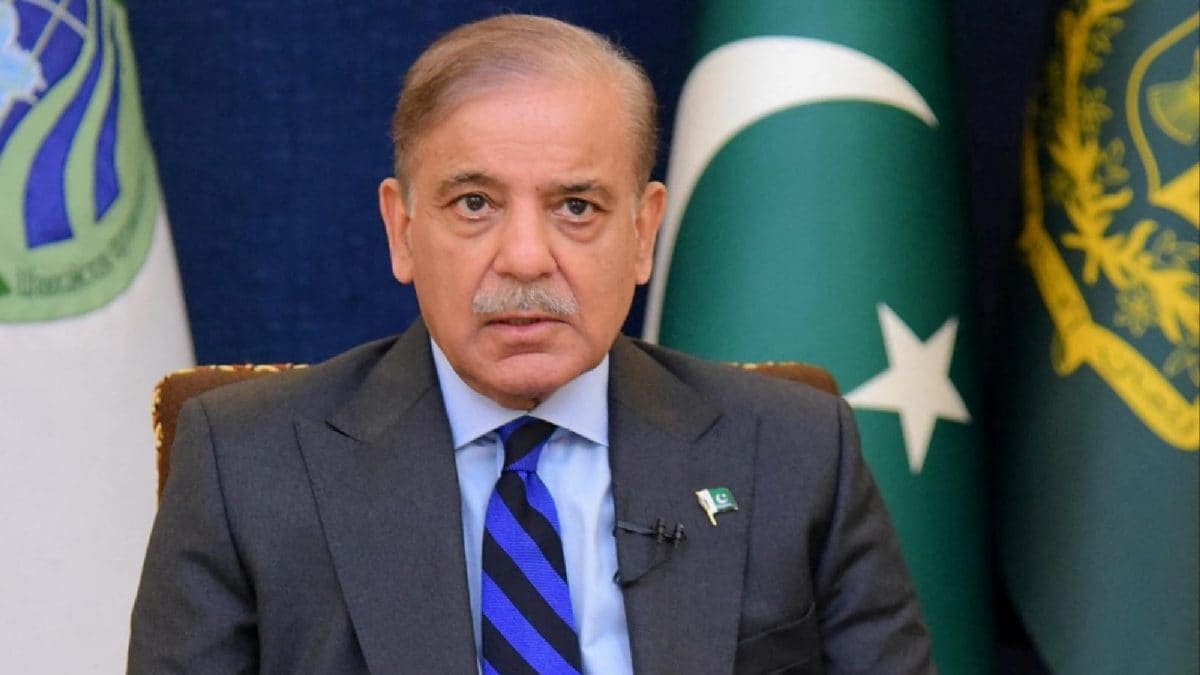
Contradicting an earlier announcement by Pakistan’s Prime Minister Shehbaz Sharif, who has acted as a mediator in the conflict, the office of Israeli Prime Minister Benjamin Netanyahu said: “Israel supports President Trump’s decision to suspend strikes against Iran for two weeks subject to Iran immediately opening the straits and stopping all attacks on the US, Israel and countries in the region." However, it added that the two-week ceasefire “does not include Lebanon".
The United States has told Israel that it is committed to achieving these goals, shares by the US, Israel and Israel's regional allies, in the upcoming negotiations.The two-weeks ceasefire does not include Lebanon.
— Prime Minister of Israel (@IsraeliPM) April 8, 2026
This means that even as the ceasefire between the United States and Iran takes effect, one front of the war remains active: Lebanon. The reason lies in the role of Hezbollah and Israel’s long-standing strategy to neutralise it.
How Lebanon Became The ‘Second Front’
When the Iran war escalated, Hezbollah quickly entered the conflict, effectively opening a parallel battlefield along Israel’s northern border. The group, widely seen as Iran’s most powerful regional ally, launched rockets and drones into Israel in response to strikes on Iran, drawing Israeli retaliation, The Guardian reported.
That escalation transformed Lebanon from a bystander into a proxy theatre of war, where Iran did not need to engage directly, Hezbollah could apply pressure on Israel, and the conflict spread beyond Iran’s borders.
According to The Jerusalem Post, Israeli officials had long anticipated this scenario. Even before full-scale war, Israel had been intensifying strikes on Hezbollah targets in Lebanon to weaken its ability to support Iran in a wider conflict. Given Hezbolla’s involvement, Lebanon soon became the second front of the Iran war.
Why Israel Is Unwilling To Relent
The current ceasefire has a critical limitation: It applies to Iran and not Hezbollah.
From Israel’s perspective, according to The Wall Street Journal, Hezbollah is a separate and immediate threat on its border which is armed and funded by Iran but capable of launching sustained attacks even if Tehran pauses. This is why Israel has framed its Lebanon operations as part of a broader “multi-front" war strategy where it is prepared to fight Iran directly while simultaneously degrading its proxy network.
The Military Logic
Israel’s ongoing strikes are driven by a clear objective: Weaken Hezbollah enough to prevent future conflict.
That includes targeting weapons stockpiles and launch sites, disrupting supply routes, especially near the Syria-Lebanon border, and eliminating senior operatives.
According to Reuters, even amid diplomatic efforts, Israeli forces have continued to consider or carry out strikes tied to alleged Hezbollah activity, underscoring that the campaign is ongoing.
The Cost Inside Lebanon
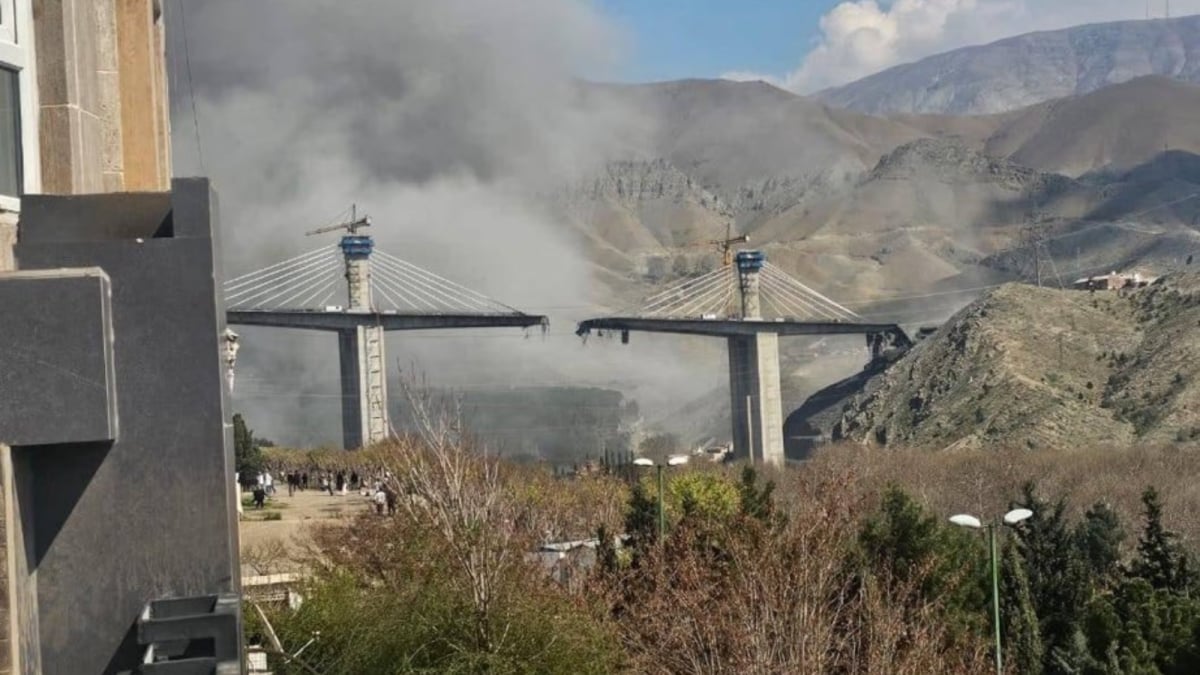
The continuation of this front has had severe consequences: More than 1,500 people have been killed since early March while over a million have been displaced. The strikes are also reaching areas beyond Hezbollah strongholds. Recent incidents, including deadly Israeli strikes in civilian areas, have intensified domestic anger and exposed deep divisions within Lebanon over Hezbollah’s role in the war, AP reported.
The situation highlights a key reality of the Iran conflict that even if Tehran pauses, its network of regional allies keeps the war alive. For Israel, the goal is not just a ceasefire with Iran but the long-term dismantling of threats like Hezbollah. However, Lebanon remains caught in a war it did not formally declare yet cannot escape.
Lebanon did not start the latest war, but it has become central to it. Hezbollah’s entry turned it into a second front, and Israel’s determination to weaken the group means the fighting is likely to continue even as the wider Iran conflict pauses.
The ceasefire may have stopped one war, but not the one unfolding in Lebanon.
First Published:
April 08, 2026, 09:50 IST
News explainers Why Isn't Israel Pausing Strikes On Lebanon Despite Iran War Ceasefire? Blame The Hezbollah
Disclaimer: Comments reflect users’ views, not News18’s. Please keep discussions respectful and constructive. Abusive, defamatory, or illegal comments will be removed. News18 may disable any comment at its discretion. By posting, you agree to our Terms of Use and Privacy Policy.
Read More





 English (US) ·