

 1 hour ago
5
1 hour ago
5
ARTICLE AD BOX
Last Updated:March 28, 2026, 10:53 IST
The move reflects growing pressure on Israel’s stockpile of high-end interceptors, particularly those designed to neutralise long-range ballistic threats.


Video grab of launched missile taken from handout footage released by the Iranian Revolutionary Guard Corps. (AFP)
Israel has begun rationing the use of its most advanced missile interceptors as the war with Iran enters its fourth week, amid sustained barrages that are straining its air defence systems and allowing more missiles to slip through.
The move reflects growing pressure on Israel’s stockpile of high-end interceptors, particularly those designed to neutralise long-range ballistic threats. According to a report by The Wall Street Journal, Israeli defence planners are conserving these systems for the most critical threats as daily Iranian missile and drone attacks continue unabated.
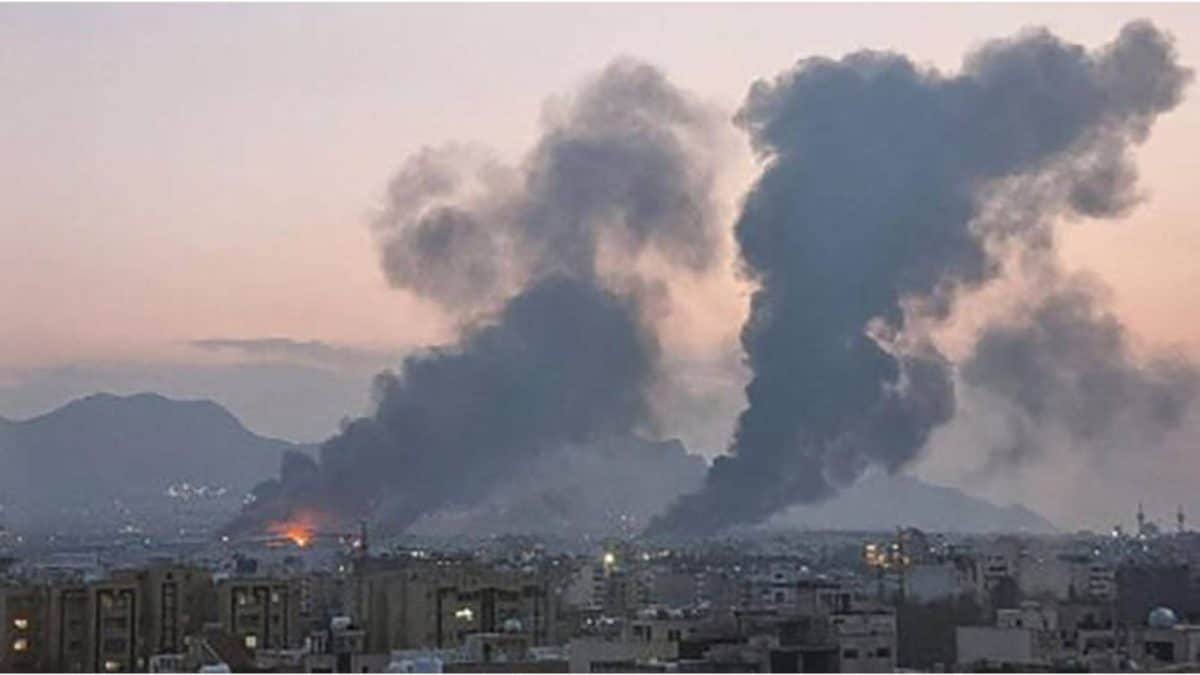
The impact is already visible on the ground. In recent days, Iranian ballistic missiles struck the southern cities of Dimona and Arad after interception attempts failed, raising fresh concerns about the limits of Israel’s multilayered defence network.
Shift To Lower-Tier Systems
With top-tier interceptors being used more selectively, Israel has increasingly turned to upgraded versions of its lower-tier systems, including David’s Sling and Iron Dome, to handle incoming threats.
These systems, originally designed to intercept rockets, drones and shorter-range missiles, are now being stretched to engage more complex and longer-range projectiles. While software upgrades and modifications have improved their reach, the results have been mixed, contributing to some missiles getting through, the WSJ noted.
Israel’s air defence architecture is built in layers—Iron Dome for short-range threats, David’s Sling for medium-range missiles, and the Arrow system, particularly Arrow 3, for long-range ballistic missiles, including those travelling outside the atmosphere.
Finite Stocks, Difficult Choices
Officials are now facing increasingly complex decisions with every incoming projectile—whether to intercept it, allow it to land in unpopulated areas, and which system to deploy.
“The number of interceptors of every type is finite," Tal Inbar, a senior analyst at the Missile Defense Advocacy Alliance, told WSJ. “As the fighting goes on, it goes down. And as it goes down, you have to make more careful calculations about what to use."
Israel had already entered the current phase of the conflict with reduced stocks of some of its most capable interceptors following earlier exchanges with Iran, further complicating the situation.
War Of Endurance In The Skies
Since the start of the conflict, Iran has launched more than 400 missiles along with hundreds of drones at Israel, maintaining a steady tempo of attacks even after the initial escalation phase, according to the report.
The pressure is compounded by Hezbollah’s daily rocket and projectile fire, forcing Israel to defend against threats on multiple fronts.
While Israeli and US strikes have degraded parts of Iran’s missile-launch capability, they have not eliminated it entirely, turning the conflict into a race of attrition, testing which side exhausts its resources first.
Global Shortage Adds To Pressure
The strain on interceptor supplies is not limited to Israel. Gulf countries such as the UAE, Qatar and Bahrain are also seeking additional air defence support, while the US has deployed more counter-drone systems in the region.
However, interceptor systems themselves are in short supply globally. Missiles used in systems such as THAAD are difficult to produce and take time to replenish, creating a widening gap between demand and supply.
“We are vaporising many years of production in the last couple of weeks," said Tom Karako, director of the Missile Defense Project at the Center for Strategic and International Studies. “Even if we completely maximise production with the forthcoming missions ramp, which we need to, it will still be many years before we replace what was just used."
Growing Concerns Over Sustainability
Analysts say the current model of air defence—using expensive, complex interceptors against mass-produced missiles and drones—is difficult to sustain over the long term.
On the ground, the consequences are becoming more visible. Following recent strikes, residents in affected areas have moved into shelters amid frequent sirens and alerts, underscoring the growing strain on Israel’s defensive shield.
First Published:
March 28, 2026, 10:53 IST
News world Why Israel Is Holding Back Its Best Interceptors As Iran’s Missiles Keep Coming
Disclaimer: Comments reflect users’ views, not News18’s. Please keep discussions respectful and constructive. Abusive, defamatory, or illegal comments will be removed. News18 may disable any comment at its discretion. By posting, you agree to our Terms of Use and Privacy Policy.
Read More







 English (US) ·