

 48 minutes ago
4
48 minutes ago
4
ARTICLE AD BOX
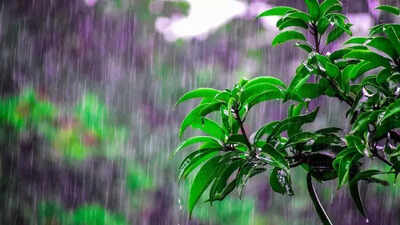
Monsoon temperatures reduce stress on plants that have spent weeks battling extreme heat
As much as we wait for it, the arrival of the monsoon is accompanied by familiar concerns – traffic snarls, damp walls, clothes that refuse to dry and the constant battle against humidity.
Yet, for balcony gardeners, the rainy season is nothing short of a miracle. After months of scorching heat, relentless sunshine and the daily struggle to keep plants alive through frequent watering, the first sustained showers transform even the most ordinary apartment balcony into a flourishing oasis. Leaves regain their lustre, dormant plants awaken almost overnight, new shoots emerge with astonishing speed and the entire space seems infused with fresh energy.
If summer is a season of survival for plants, the monsoon is undoubtedly their season of abundance. Nature takes over much of the work, rewarding even novice gardeners with lush growth that would have seemed impossible only weeks earlier.The science behind this transformation is surprisingly simple. Most tropical and subtropical plants that populate Indian balconies evolved in climates where warm temperatures and seasonal rains arrived together.
The monsoon recreates these ideal growing conditions with remarkable precision. Rainwater, naturally softer than treated tap water, is free from many of the salts and chemicals that accumulate in potting soil over time.
Gentle, consistent showers help wash away these residues, allowing roots to absorb nutrients more efficiently. The cooler temperatures reduce stress on plants that have spent weeks battling extreme heat, while the increased humidity slows the loss of moisture from leaves, enabling them to remain hydrated for longer periods.
Even the softer, diffused sunlight filtering through rain clouds plays an important role, providing enough light for healthy growth without scorching tender foliage. The result is visible almost immediately, with plants responding through richer colours, fuller canopies and vigorous new growth.Some of the most spectacular transformations occur among foliage plants that often appear unremarkable during summer.
Ferns unfurl fresh fronds with renewed enthusiasm, caladiums display brilliantly patterned leaves in shades of pink, green and crimson, while syngoniums, philodendrons and monsteras respond to the moisture-laden air by producing larger, healthier leaves. Peace lilies bloom more readily, spider plants send out graceful arching stems carrying baby plantlets, and palms regain a lush tropical appearance that instantly softens an urban balcony.
Even herbs such as mint, lemongrass and curry leaves thrive in the cooler, wetter conditions, filling the air with fragrance while producing vigorous edible growth. The monsoon reminds gardeners that flowers are only one measure of beauty; sometimes the drama lies in the sheer exuberance of healthy foliage reclaiming every available corner.
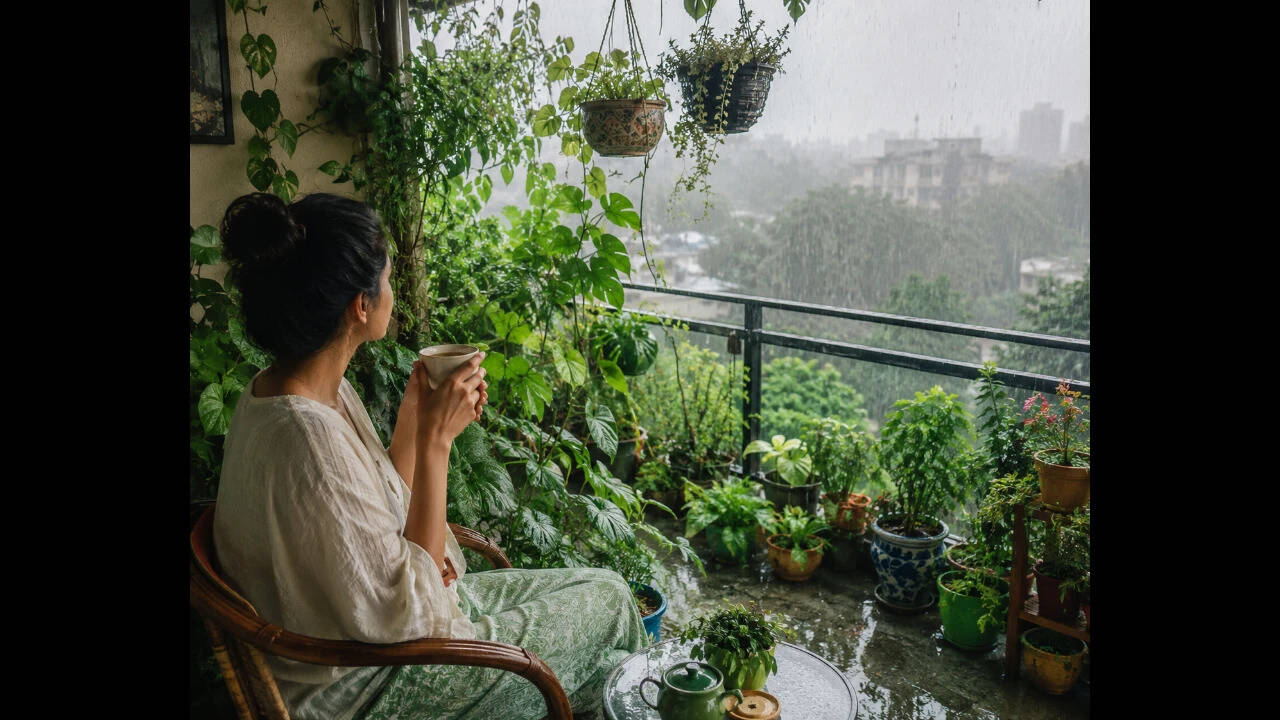
The rainy season transforms the balcony into a place of retreat. (AI generated)
The rainy season also transforms the balcony itself into a place of retreat rather than simply a location for plants.
The rhythmic sound of falling rain, the earthy fragrance of wet soil and the sight of leaves glistening under droplets create an atmosphere that feels almost therapeutic amid the bustle of city life. It is no coincidence that psychologists increasingly recognise exposure to greenery as an important contributor to emotional well-being.
A thriving balcony garden offers a daily encounter with nature, reducing stress and encouraging moments of quiet reflection.
During the monsoon, that connection feels even stronger, as butterflies pause on damp leaves, birds seek shelter among dense foliage and dragonflies hover after afternoon showers. Even a modest apartment balcony can begin to resemble a tiny ecosystem, reminding its owner that biodiversity can flourish in surprisingly small spaces.Yet the monsoon's generosity should not be mistaken for complete self-sufficiency.
One of the most common mistakes gardeners make is assuming that because it is raining, plants no longer require attention. In reality, excessive rainfall can be just as damaging as drought if pots lack proper drainage. Waterlogged soil deprives roots of oxygen, encouraging rot and fungal diseases that spread rapidly in humid conditions.
Containers should always have unobstructed drainage holes, and saucers should never be allowed to collect standing water, which not only harms plants but also creates breeding grounds for mosquitoes. Pruning yellowing leaves, ensuring adequate airflow between densely packed pots and checking regularly for fungal infections become just as important as watering was during the summer months. Successful monsoon gardening lies not in doing more but in understanding when nature needs a little thoughtful assistance.









 English (US) ·